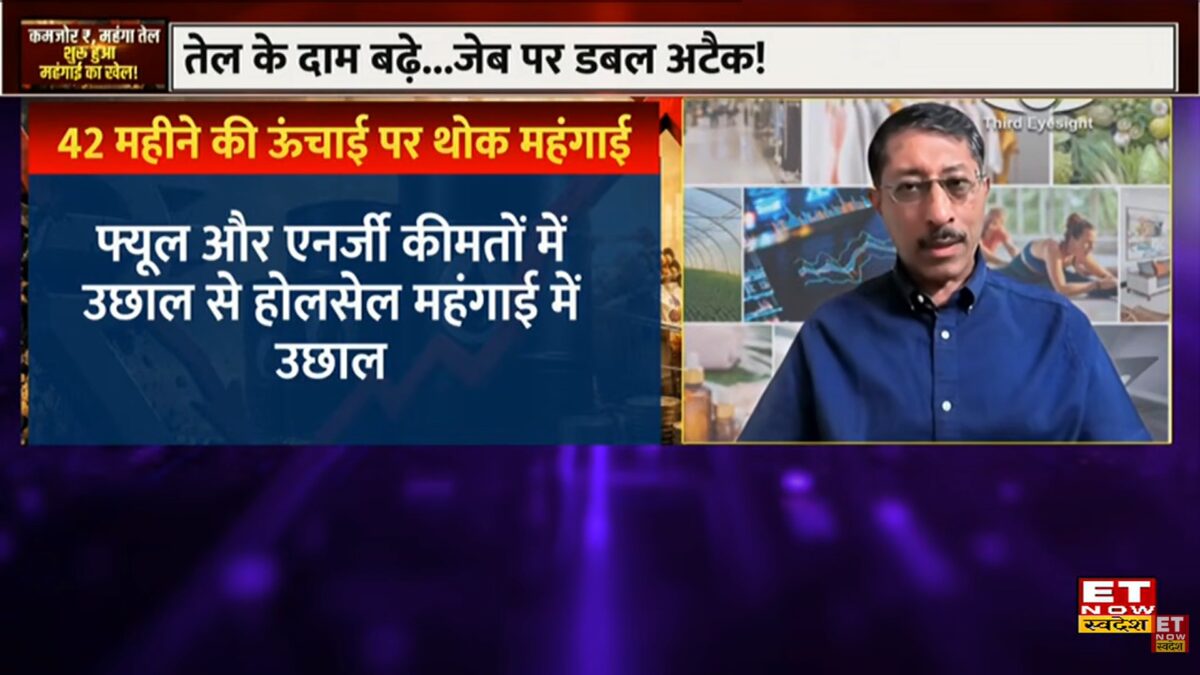
The ET Now Swadesh panel discussion focussed on the dual challenge facing the Indian economy: a weakening rupee and rising crude oil prices, which together are driving "imported inflation" and straining household budgets. Devangshu Dutta (Founder, Third Eyesight) put forth the following key points during the discussion (the video link is under the text summary below): 1. Dual Impact on Industry and Consumers: Inflationary pressures are hitting both sides of the market. While industries are facing rising input costs, the decision of how much cost to pass on to the consumer (through price increases or altering packaging sizes) rests with…
Anushka Jha & Kausar Madhyia, Afaqs 12 May 2026 On May 10, Prime Minister Narendra Modi, in his address to the nation, made some appeals to the citizens of India. In addition to asking Indians to re-adopt Covid-like practices of working from home and refraining from travel abroad, the prime minister also appealed to the citizenry to stop buying gold for weddings for a year. The appeals come in response to the global energy crisis and economic instability triggered by the US-Iran war and the consequent West Asia conflict, which makes import-dependent commodities like gold especially vulnerable. The market reaction…
Writankar Mukherjee, Economic Times Kolkata, 9 May 2026 India’s top retail chains including Reliance Retail, DMart, Trent, Titan Company, Jubilant FoodWorks, and V-Mart Retail opened the highest number of stores in three years in FY26, seeking to capitalise on a demand recovery and a clean-up of unviable outlets added during the post-Covid revenge-spending period. Entry into smaller towns and cities where many consumers continue to prefer shopping at physical stores over online is also influencing the expansion plans. An ET study of the 10 largest listed retailers showed they added 25% more stores in the last fiscal year compared to…
Vaeshnavi Kasthuril, MINT Mumbai, 6 May 2026 Fashion retailers are speeding up deliveries to keep pace with instant-gratification shopping driven by quick-fashion startups, with established players and newer brands taking sharply different approaches. For example, brands such as Biba and The House of Rare have adopted a more calibrated, infrastructure-led strategy rather than a rapid overhaul of existing store networks. "We've been doing this in a very soft way but not necessarily from the same stores because that affects the customer experience," said Siddharth Bindra, managing director of Biba. Bindra said using retail stores as fulfilment hubs for rapid delivery…
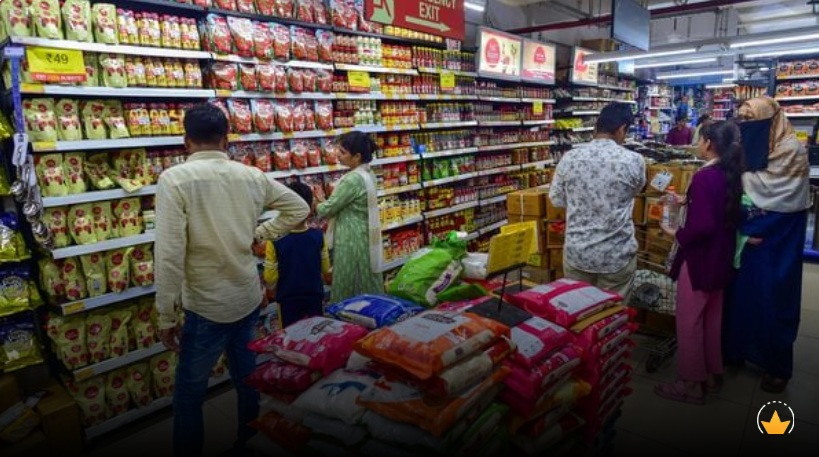
Neethi Lisa Rojan, Mint 2 May 2026, Mumbai Fast-moving consumer goods makers are leaning on a mix of price increases, smaller pack sizes and tighter cost controls to navigate raw-material volatility triggered by the ongoing US-Iran war, while still reporting robust volume growth for the March quarter. The ongoing war blew up end February this year, disrupting global supply chains. Executives at top firms said calibrated pricing and ‘shrinkflation’ are helping them protect margins. The trend shows staples demand have held up, but also points to a gradual pass-through of higher commodity and packaging costs to consumers as geopolitical disruptions…
Reliance Retail & 7-Eleven ending 5-year franchise deal in India @SagarMalviya_ET
@devangshu:"convenience stores pressured by q-comm; family-kiranas survive with lower overheads & different margin expectations than corps"
Speciality Restaurants expanding into high-margin QSR and cloud kitchen spaces - @devangshu shared his perspective on the opportunities and realities of managing a diverse "house of brands" in the food service sector #India #strategy #diversification
Geopolitical friction has again sparked renewed concerns over inflation and rising input costs for FMCG companies as @itmeansjustice @whysnavi write. @devangshu commented.