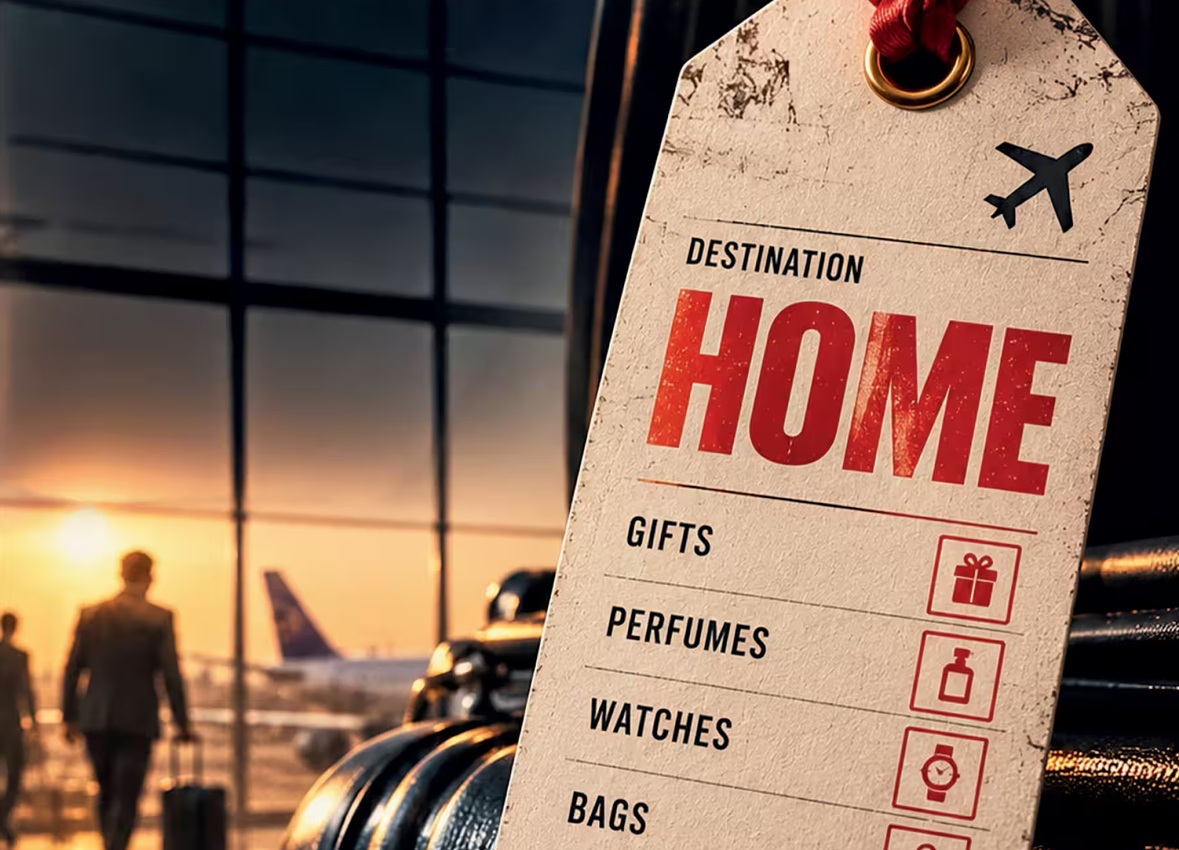
Vidya Sathyapriyan, ET Brand Equity 7 October 2026 Every single month, leather-goods brand Hidesign changes the storefront of its airport stores. The reason: "You can't bore the man or woman who's coming to the airport every week," says founder Dilip Kapur. But then what makes the airport shopper any different from someone walking into a high-street or mall store? Affluent? Sure. Willing to spend? Mostly. Time-poor and seeking convenience? Definitely. That mix presents a particular challenge for brands: understanding what and why travellers will buy, and how quickly they can buy it. Some have learnt to make the often lopsided…
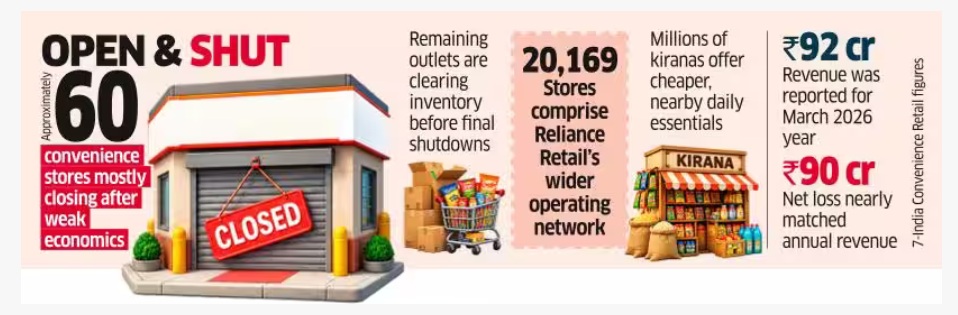
Sagar Malviya, Economic Times 5 October 2026 Reliance Retail and 7-Eleven are ending their five-year franchisee deal in India, closing most of the nearly 60 convenience stores they operated under the partnership, after struggling to make the format profitable, people familiar with the matter said. A handful of outlets are clearing the inventory before shutting, they said. 7-Eleven may look for another Indian partner to keep a foothold in the market, although no decision has been made, the people said. The exit highlights an unusual squeeze that convenience stores are facing in India, with millions of small kirana stores that…
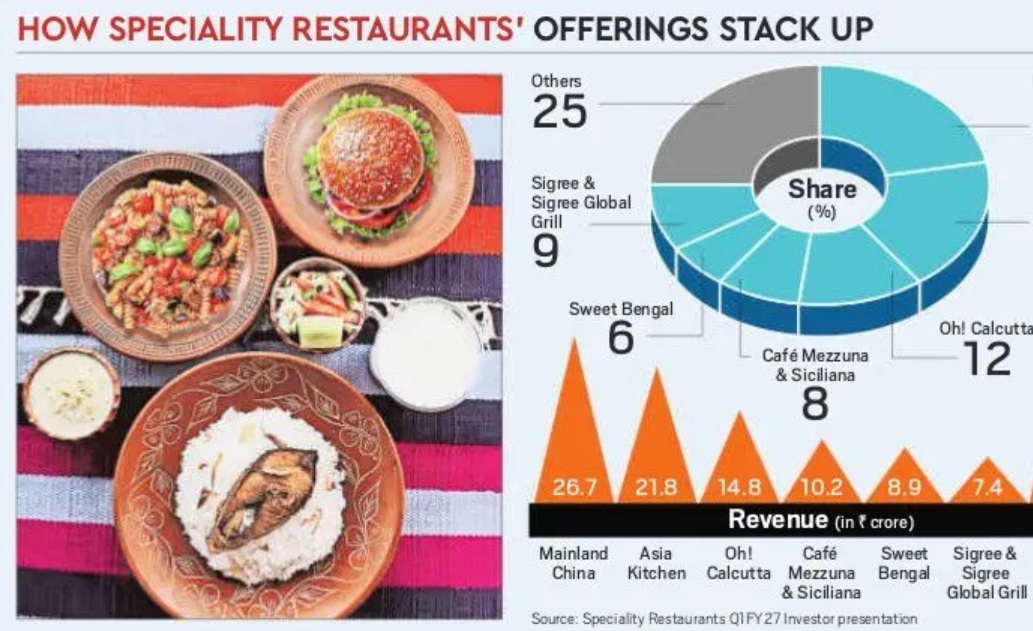
Kartikay Kashyap, Brand Wagon/Financial Express 25 September 2026 Walters Burger and Sweet Bengal could turn out to be the lynchpin of Speciality Restaurants' expansion plan this year, helping it capture the fast-growing high-margin quick service restaurant (QSR) and cloud kitchen markets. Known for its sit down fine dining brands like Mainland China and Oh! Calcutta, Speciality Restaurants is working to expand a smaller selection of highly scalable brands. By aggressively rolling out physical stores alongside integrated cloud kitchens, like it has done across Mumbai and Pune, the 34-year old brand is looking to establish a massive delivery footprint with a…
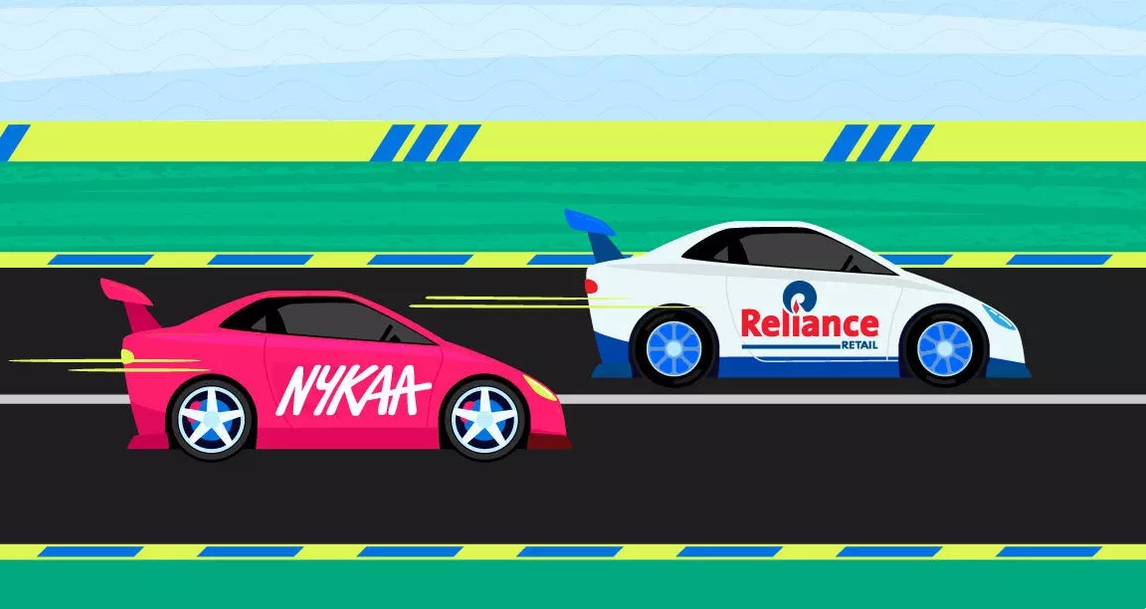
Pritha Pahari, The Core 1 September 2026 Reliance has spent more than a decade bringing together a long list of names such as Burberry and Tiffany & Co. to India. Its latest focus seems to be luxury celebrity brands, adding global pop star Rihanna’s Fenty Beauty and now media personality Kim Kardashian's shapewear label SKIMS to its luxury brands portfolio. Isha Ambani, executive director of Reliance Retail, has fronted most of these announcements herself. Meanwhile, Nykaa, the beauty platform Reliance Retail keeps getting compared to, spent the last year going after some of the same celebrity founders. In August 2025,…
Vikash Tripathi, Outlook Business 1 September 2026 Eight decades ago, the ‘nationalist businessman’ GD Birla helped prepare the ‘Bombay Plan’, which asked the state to pro-vide for the bare minimum needs of its people. His plan asked for 2,800 calories of well-balanced food per day, 30 yards of clothing per year and 100sq ft of housing per person. Today, seventh-generation Aryaman Vikram Birla is betting on an entirely different opportunity: premium dining. “We continue to believe in the remarkable potential of the premium casual dining space, spurred by rising disposable income and evolving lifestyles,” the 29-year-old said after Aditya Birla…
Reliance Retail & 7-Eleven ending 5-year franchise deal in India @SagarMalviya_ET
@devangshu:"convenience stores pressured by q-comm; family-kiranas survive with lower overheads & different margin expectations than corps"
Speciality Restaurants expanding into high-margin QSR and cloud kitchen spaces - @devangshu shared his perspective on the opportunities and realities of managing a diverse "house of brands" in the food service sector #India #strategy #diversification
Geopolitical friction has again sparked renewed concerns over inflation and rising input costs for FMCG companies as @itmeansjustice @whysnavi write. @devangshu commented.