
admin
February 27, 2026

Samar Srivastava, Forbes India
Feb 27, 2026
India’s young consumers are discovering the next big beauty serum, protein bar or sneaker brand not in a mall, but on Instagram reels, YouTube shorts and quick-commerce apps that promise 10-minute delivery. What began as a trickle of digital-first labels a decade ago has now become a full-blown wave. Direct-to-consumer (D2C) brands—built online, fuelled by social media and venture capital—have reshaped India’s consumer landscape and forced legacy companies to rethink everything from marketing to distribution.
India today has more than 800 active D2C brands across beauty, personal care, fashion, food, home and electronics, according to industry estimates and consulting reports. The Indian D2C market is estimated at $12–15 billion in 2025, up from under $5 billion in 2020, and growing at 25–30 percent annually. The pandemic accelerated online adoption, but the structural drivers—cheap data, digital payments and over 750 million internet users—were already in place.
Unlike traditional FMCG brands that relied on distributors and kirana stores, D2C brands such as Mamaearth, boAt, Licious and Sugar Cosmetics built their early traction online. Customer acquisition happened through performance marketing; feedback loops were immediate; product iterations were rapid.
Importantly, these brands are discovered online—but as they scale, consumers buy them both online and offline, increasingly through quick-commerce platforms such as Blinkit, Zepto and Swiggy Instamart, as well as modern trade and general trade stores. The omnichannel play is now central to their growth strategy.
According to Anil Kumar, founder and chief executive of Redseer Strategy Consultants, the ecosystem is maturing in measurable ways. Brands are taking lesser time to reach ₹100 crore or ₹500 crore revenue benchmarks and, once there, mortality rates are coming down. There is also an acceptance that if a brand is not profitable in a 3–5 year timeframe, that needs to be corrected. “There is a lot of emphasis on growing profitably and not just through GMV,” he says.
Big Cheques, Bigger Exits
The D2C boom would not have been possible without capital. Between 2014 and 2022, Indian D2C startups raised over $5 billion in venture and growth funding. Peak years like 2021 alone saw more than $1.2 billion invested in the segment. Beauty, personal care and fashion accounted for nearly 50 percent of total inflows, followed by food and beverages.
Some brands scaled independently; others found strategic buyers. Among the most prominent exits:
> Hindustan Unilever acquired a majority stake in Minimalist, reportedly valuing the actives-led skincare brand at over ₹3,000 crore. For Hindustan Unilever, the annual run rate from sales of its D2C portfolio is estimated at around ₹1,000 crore, underscoring how material digital-first brands have become to its growth strategy.
> ITC Limited bought Yoga Bar for about ₹175 crore in 2023 to strengthen its health foods portfolio.
> Emami acquired a majority stake in The Man Company, expanding its digital-first play.
> Tata Consumer Products acquired Soulfull as part of its health and wellness strategy.
> Marico invested in brands such as Beardo and True Elements.
Private equity has also entered aggressively at the growth stage. ChrysCapital invested in The Man Company; L Catterton backed Sugar Cosmetics; General Atlantic invested in boAt; and Sequoia Capital India (now Peak XV Partners) was an early backer of multiple consumer brands.
Valuations were often steep. boAt was valued at over $1.2 billion at its peak. Mamaearth’s parent, Honasa Consumer, listed in 2023 at a valuation of around ₹10,000 crore. Across categories, brands crossing ₹500 crore in annual revenue began attracting buyout interest, with deal sizes ranging from ₹150 crore to over ₹3,000 crore depending on scale and profitability.
Yet exits have not always been smooth. “While it takes 7-8 years to build a brand most funds that invest in them have a timeline of 3-5 years before they need an exit,” says Devangshu Dutta, founder of Third Eyesight, a retail consultancy. This timing mismatch can create pressure—pushing brands to scale aggressively, sometimes at the cost of margins.
Integration Pains and the Profitability Pivot
For large FMCG companies, buying D2C brands offers speed: Access to younger consumers, premium positioning and digital marketing expertise. But integration brings challenges.
Founder-led organisations operate with rapid decision cycles, test-and-learn marketing and flat hierarchies. Large corporations often work with layered approvals, structured brand calendars and rigid cost controls. Cultural friction can lead to talent exits if autonomy is curtailed too quickly.
Margins are another sticking point. In the early growth phase, many D2C brands spent 30–40 percent of revenue on digital advertising. Rising customer acquisition costs post-2021, combined with higher logistics expenses, squeezed contribution margins. As brands entered offline retail, distributor and retailer margins of 20–35 percent further compressed profitability.
Large acquirers, used to EBITDA margins of 18–25 percent in mature FMCG portfolios, often discovered that digital-first brands operated at low single-digit margins—or were loss-making at scale. Rationalising ad spends, optimising supply chains and pruning SKUs became essential.
The funding slowdown between 2022 and 2024 triggered a reset. Marketing spends were cut by as much as 25–40 percent across several startups. Growth moderated from 80–100 percent annually during peak years to 25–40 percent for more mature brands—but unit economics improved.
Quick-commerce has emerged as a structural growth lever. For categories such as personal care, snacking and health foods, these platforms now account for 10–25 percent of urban revenues for scaled brands, improving inventory turns and reducing dependence on paid digital acquisition.
The next phase of India’s D2C journey will be less about blitz scaling and more about disciplined brand building—balancing growth, profitability and exit timelines. What began as a disruption is now part of the mainstream consumer playbook. And as capital becomes more selective, only brands that combine strong gross margins, repeat purchase rates above 35–40 percent and sustainable EBITDA pathways will endure.
(Published in Forbes India)
admin
January 31, 2026
Surabhi Prasad, Business Today
Print Edition: 01 Feb, 2026
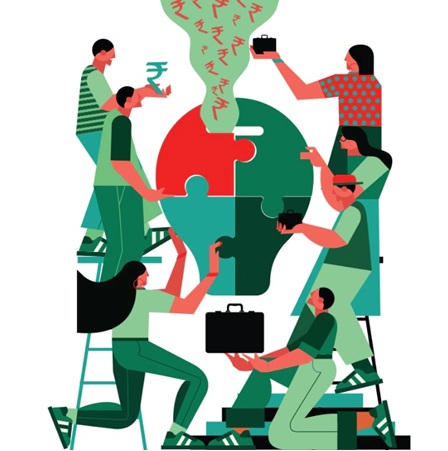
The last two years—2024 and, more notably, 2025—saw a wave of protests by a new generation of students and young professionals looking for political change, better economic conditions and more climate awareness across countries, including Bangladesh, Nepal, Indonesia and the Maldives.
But beyond these uprisings, Gen Z, the term used to describe those born in late 1990s to the early part of the 2010s and currently aged around 13-29 years, are not only questioning but also bringing forth changes in societal norms and economic behaviour. It’s not just a generation gap!
Gen Z are digital natives. They are tech savvy, have grown up with Internet in their homes, iPads as their support system, social media as a constant companion and take digital payments, online and quick commerce for granted. They tend to be night owls, the real gigsters, at home with artificial intelligence (AI) and machine learning, and with a lingo—cap, salty, suss and tea—that make others scratch their heads.
They also have newer challenges—rising unemployment, an uncertain economic environment, the rise of AI that has put a question mark on the future of work, climate change that is turning more real by the day, and skyrocketing real estate prices that mean a dream home could remain just a dream. Still, they are the rising consumer force who, over the next decade, are poised to become the largest chunk of the labour force and the focus of most companies.
For a country like India that is still young, Gen Z will soon be the economic force to reckon with. A recent report by not-for-profit think tank People Research on India’s Consumer Economy (PRICE) estimates that as of 2025, nearly one in five young individuals globally lives in India. “This is a formidable 420-million strong force, constituting approximately 29% of the nation’s total population, and made up of individuals aged between 15 and 29 as defined by India’s National Youth Policy (2014),” it said.
Labour sociologist Ellina Samantroy, Fellow at the V.V. Giri National Labour Institute, says India’s expanding Gen Z or youth workforce offers a significant opportunity for the country to reap the demographic dividend. As per the recent Periodic Labour Force Survey 2023-24, around 46.5% of the labour force is in the 15-29 age group. “There has been an increase in labour force participation in this age group from 42% during 2021-22. One can see the economic growth potential of this cohort,” she says.
However, with transitions and emerging opportunities in the world of work, it is important to harness the potential of this population cohort with adequate access to education and skilling, she says.
Devangshu Dutta, founder and chief executive of Third Eyesight, a boutique management consulting firm focused on the retail and consumer products ecosystem, says Indian Gen Z consumers are not a uniform cohort.
“A critical issue in India is the coexistence of aspiration and constraint, and India’s Gen Z are shaped by a mix of high digital exposure and wide economic disparity. While they are ambitious and globally aware, their purchasing power varies sharply across segments and locations,” he says.
Further, urban, higher-income Gen Z display global consumption behaviours such as brand experimentation, social commerce and premium aspiration, whereas a large proportion of Gen Z in Tier II, Tier III and rural India is highly value-driven and necessity-led, while drawing their inspiration from global and national sources. He also points out that unlike Millennials, Indian Gen Z are also entering the workforce in a more uncertain economic environment, making price sensitivity, smaller pack sizes and flexible payment options important. “Employment patterns such as informal jobs, gig work and delayed income stability are influencing consumption cycles and brand loyalty,” he says. There is a strong preference for digital discovery, vernacular content and peer-led recommendations, with trust built through community and relevance rather than legacy brand status.
Rising aspirations of Indian households and changes in consumption pattern with a marked move from essentials to more premium products have been well documented, most recently in Household Consumption Expenditure Surveys. But more granular, individual-level data from PRICE shows marked changes in education levels and behaviour of Gen Z and other cohorts such as Millennials (those aged between 30 and 45), Gen X (aged 45-60) and Baby Boomers (60+). A 2024 PRICE ICE 360 Survey of 8,200 respondents (18–70 years) in 25 major cities showed that Gen Z is the most educated cohort, spends the most time browsing the Internet and is more engaged with e-commerce and paid digital services.
Multinational and domestic companies are also now waking up to the Gen Z wave and are realising that they need to review strategies to gain the attention and loyalty of Gen Z as consumers and workers.
“Fashion, beauty and personal care, food and beverages, and mobile and consumer electronics are at the forefront of change in India,” says Dutta. Responding to Gen Z requirements, companies are designing products at accessible price points, expanding entry-level ranges and leveraging sachetisation and subscription models. Brands are investing more in regional languages, local influencers and platforms such as short-video and social commerce channels that resonate with young Indian consumers, he says.
But this process is still at a nascent stage, and many companies and analysts are still trying to assess this generation.
For the 34th Anniversary Issue, we at Business Today decided to decode what Gen Z is truly about, what influences them the most, what they aspire to purchase, what they can afford and what this means for India Inc. Over the course of the last few months, our newsroom saw animated discussions as senior editors sat down with younger colleagues to discuss lifestyle choices, brand loyalties and career ambitions, as we drafted an issue brief and a potential survey.
We then got in touch with PRICE, which worked with us on our survey objectives and tweaked the questionnaire. The result—a first-of-its-kind exercise where PRICE surveyed 4,311 Gen Z respondents, who are now entering the workforce with an income of their own, residing in metros and Tier II cities. The survey covered gender, education, employment status, personal income and household income classes. The main focus was urban, educated Gen-Z who has the income to be a strong consumer.
The research examined consumption behaviour across discretionary and essential categories, savings and credit attitudes, digital influence, brand loyalty, aspirations, and future spending intent.
And the results are indeed, surprising! The survey reveals that traditional consumption models that were built around age-based life stages, linear career progression and early credit adoption no longer hold for Gen Z. “This cohort’s behaviour reflects early exposure to economic shocks, greater career volatility and a redefinition of success away from speed toward resilience,” it underlines.

For businesses, misreading delayed demand as permanent weakness risks underinvestment just as Gen Z approaches its next consumption inflection, it warns. For financial services, premature credit push without trust-building will underperform. For consumer brands, price-led acquisition without quality consistency will fail to convert into lifetime value.
Delve into this issue where BT brings to you the in-depth findings of the survey and explains what this means for companies as they vie for a share of this growing consumer segment. Gen Z is not just about rizz and drip, it is giving the main character energy as they come of age.


(Published in Business Today, issue dated 1 February 2026)
admin
January 7, 2026

Writankar Mukherjee & Shabori Das, Economic Times / Brand Equity
7 January 2026
There’s a renewed sparkle in the adage ‘Old is Gold’ at India’s biggest conglomerate Reliance. Banking on Indians’ nostalgia, it is hawking and reviving labels that once defined everyday life, Campa and BPL among them, to set its consumer venture’s cash registers ringing.
What started with sales of Rs. 3,000 crore in FY24, Reliance Industries’ fast-moving consumer goods (FMCG) business quickly accelerated towards Rs. 11,500 crore the following year. With a staggering Rs. 5,400 crore posted in the July to September FY26 quarter alone, the revival story is clearly striking a chord with consumers. But Campa, already the largest contributor to the Reliance Industries’ FMCG business, is only the beginning.
The company is injecting fresh life into acquisition of legacy brands such as Ravalgaon in confectionery and Velvette in personal care. Reliance is applying the same formula to the consumer electronics business, covering televisions, refrigerators and washing machines. Once a staple of Indian households, Kelvinator and BPL are being reintroduced.
Strategy Rings a Bell?
Driving this revival is a strategy Reliance knows well: aggressive pricing that is often 20 to 30% lower than competitors, offering generous trade margins to woo retailers, and a rapid expansion of distribution from its own stores to kiranas and local outlets, alongside local sourcing and an expanding product portfolio.
It’s a playbook that once created waves in the telecom market; this time, however, it comes with a generous dose of nostalgia.
The path ahead though may not be easy. While Campa may have yielded results in a category linked to instant gratification, electronics is a high-ticket, long-term purchase. Marketers are debating whether consumers in their 20s and 30s—spoilt for choice by global brands—would choose a Kelvinator refrigerator, a BPL TV or a Velvette shower gel over LG, Samsung, Dove or Fiama.
Deep Pockets and Retail Muscle
Reliance, experts say, has two advantages— its balance sheet and strong market presence with its own retail stores. “Reliance has the intent to dominate a market in whatever business it enters. Their brands in FMCG and electronics too have a more-than-decent chance of surviving and thriving,” says Devangshu Dutta, founder and chief executive of Third Eyesight, a consultancy in consumer space.
“As long as they have capital and management capability, they may cut their teeth,” he says.
The company is approaching the FMCG and electronics businesses in startup mode, but with deep pockets. As a Reliance executive explains, the strategy is to invest and invest more, gain market share, continue to absorb losses and after achieving scale, drive efficiencies to generate profit.
The path has been carved out. Reliance Consumer Products (RCPL), the FMCG business entity and what started as a unit of Reliance Retail Ventures, is now a direct subsidiary of Reliance Industries. This shift will help the company raise funds independently and eventually launch an initial public offering (IPO), and drive valuation independent of retail. The electronic business may follow suit as it grows in scale.
Reliance did not respond to Brand Equity’s queries.
Electronics: A Tough Play
Industry executives say the electronics foray will not be an easy battle against international brands. Global brands enjoy strong appeal in the Indian market, and companies such as LG, Samsung and Sony have been present for over two decades, cementing their position. Even the newer ones like Haier and Voltas Beko are rapidly gaining market share.
Pulkit Baid, director of the electronics retail chain Great Eastern Retail, says that unlike the cola industry, where two large players (Coca-Cola and PepsiCo) dominate, consumer durables are highly fragmented. “Kelvinator enjoys the brand heritage of an Ambassador car. But we will have to see if the brand is welcomed by Gen Z with the same euphoria as Campa.”
Industry veteran Deba Ghoshal notes that very few legacy brands have been able to withstand the onslaught of new-age brands in consumer electronics. Voltas (from the Tatas) and Godrej are exceptions, he adds.
“Reliance Retail has the strategic foresight to re-establish legacy brands in consumer durables space, instead of chasing a standalone private label business,” adds Ghoshal. “There is a strong opportunity in BPL and Kelvinator, provided they are re-launched with strong value and engaging emotive hooks, and not restricted to being a price warrior. Reliance has the capability; it just needs the right strategy.”
Reliance is readying campaigns for BPL and Kelvinator to connect with the younger consumers. The company is planning to re-launch them beyond Reliance Retail stores—targeting regional retail chains and e-commerce platforms and expanding quickly into smaller towns. With India’s electronics penetration still low—15 to 18% for flat-panel TVs, 40% for refrigerators, 20% for washing machines and less than 10% for air conditioners (ACs)—Reliance has substantial headroom for growth.
Angshuman Bhattacharya, partner and national leader for consumer products and retail at EY India, says Reliance may focus on tier two and three cities. “These markets have been a low priority for the Samsungs and LGs because they want to play in the premium segment where margins are higher. That is where Reliance may expand the market. It requires a lot of capital in terms of inventories and distribution, and Reliance has the ability and potential to do so.”
FMCG: Ball is Rolling
The FMCG push is gaining strong momentum. Reliance plans to double its distribution to three million outlets this fiscal.
Over the next three years, it looks to invest Rs. 40,000 crore to create Asia’s largest integrated food parks and has already invested Rs. 3,000 crore in manufacturing.
Isha Ambani, who spearheads Reliance’s retail and FMCG businesses, drew attention to Campa’s comeback at the company’s AGM in August: “Campa-Cola now holds double-digit market share across many states, breaking a 30-year MNC duopoly of Coca-Cola and PepsiCo. Campa Energy gained two million social media followers in just 90 days.”
Her target is bold: To reach Rs. 1 lakh crore in FMCG revenue within five years and become India’s largest FMCG company with a global presence.
Market watchers say such high ambitions require high investments. Kannan Sitaram, co-founder and partner at venture capital firm Fireside Ventures, said a company like Hindustan Unilever would set aside at least `30-40 crore to launch a brand. “Advertising and marketing alone would take up more than half of that. And when you are re-launching a brand which has not been around for a long while, the spending tends to be 25 to 30% higher in the initial three to four months,” he says.
Yet, analysts believe Reliance is in the consumer brands business for the long term. Bhattacharya says whatever Reliance has learned in this short time is meaningful and serious, something nobody else has managed.
Mover and Shaker
Competitors, including Tata Consumer Products, Dabur and PepsiCo’s largest bottler in India Varun Beverages, have acknowledged the turbulence created by Reliance in the FMCG sector. But the industry hopes low penetration levels will ensure there is room for everyone.
Varun Beverages chairman Ravi Jaipuria did not mince his words in the company’s latest earnings call in October-end: “They (Reliance) have woken all of us up and we are becoming more attentive… it is a very healthy sign for the country because our per capita consumption is so low that in the next five to 10 years, this market may double or triple…there is a huge room, and we see only positives in this.”
The revival of legacy brands and aggressive push into FMCG and consumer electronics indicates that Reliance is preparing for the long haul. In this fight driven by nostalgia, competitive pricing, deep pockets and distribution muscle, the battle for shelf space has just begun.
(Published in Economic Times/Brand Equity)
admin
November 27, 2025
Viveat Susan Pinto, Financial Express
November 27, 2025
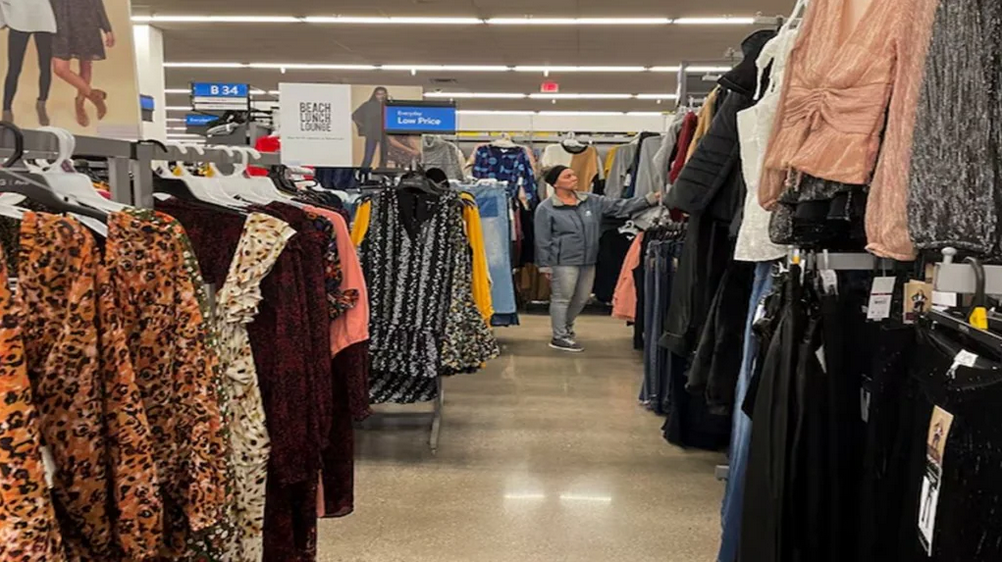
Several of the country’s top retailers, malls and brands have kicked off a shopping extravaganza on the occasion of Black Friday, offering steep discounts across product categories.
A Western import, the day which symbolises the beginning of the Christmas shopping season in the US, the UK and Europe, gained popularity in India over the past two years as a crucial sale window after Diwali.
Domestic retailers, say experts, are using this period to exhaust existing inventory at steep discounts as they gear up for the winter season.
This year, discounts are up to 60-80% across fashion, lifestyle, electronics and cosmetics, higher than the 50% seen last year. E-tailers such as Ajio have pushed the pedal even harder, offering as much as 85-90% on denims, jackets and select products during the sale this year.
Bigger Deals, Longer Duration
“Retailers in India are building Black Friday as an important off-season peak. The participation of brands is growing, deals are getting bigger and the sale days are more,” Devangshu Dutta, founder and chief executive of Third Eyesight, a Gurugram-based retail consultancy, said. That is visible from the intense promotional activity this year. What began as a flash sale event a couple of years ago has now extended to a week-long sale period this year, experts said.
Pushpa Bector, senior executive director and business head, DLF Retail, said that brands this year are ready with strong offers, driven in part by GST cuts and a stable economic outlook. “Early trends show healthy interest across categories by consumers. We expect a strong double-digit uplift over the Black Friday period, setting us up for a strong close to the year,” she said.
Retailer Strategies
While Black Friday typically falls on the last Friday of November, some retailers such as Flipkart, Croma, Vijay Sales, Nykaa and Tata Cliq have kicked off their Black Friday sales last week itself to build on the excitement. For electronic retailers, said Nilesh Gupta, director, Vijay Sales, Black Friday will extend into Cyber Monday next week (falling on December 1), making it even more relevant for them to focus on the occasion.
“We’ve been building Black Friday as a retail property in the last few of years as it fills the post-Diwali void quite well. Black Friday also extends well into Cyber Monday which comes immediately after. While we started with a few categories in the initial years, we now have offers across all our segments. Discounts are up to 45-50% this year in line with last year,” he said.
Rival Croma is also offering up to 50% discount on products this year, executives said.
“Black Friday has become one of India’s most anticipated shopping moments. At Croma, we are focused on delivering value across categories with steal deals, bundled savings, and limited-time offers,” Croma’s CEO & MD Shibashish Roy said.
Croma will also introduce a special late-night shopping window on November 28 at select stores across India. For two hours—from 10 pm to 11:59 pm —these stores will remain open with exclusive additional discounts on some of the season’s most in-demand products.
Nishank Joshi, chief marketing officer, Nexus Select Malls, said it is elevating the Black Friday experience with bigger assured gifts, giveaways and reward points if consumers upload their bills on their Nexus One apps.
Mayank Lalpuria, director, marketing (north, central & west) at Phoenix Mills, which operates Phoenix malls, said that it was expecting double-digit year-on-year growth and strong footfalls during the Black Friday period.
Tanu Prasad, CEO – Malls, Oberoi Realty, said that the firm was seeing far more planned purchases towards premium products and a rise in family-oriented outings. “We are anticipating an encouraging response at the (Black Friday) weekend resulting in a strong kick-off to the (December) shopping season,” Prasad said.
Direct-to-consumer brands such as Inc.5 footwear and NEWME said that they have rolled out big deals for Black Friday. “We’re looking at a 30x surge in orders across both offline and online for Black Friday,” NEWME Co-founder & CEO Sumit Jasoria said.
“Our customers look forward to Black Friday, and this year, we’re excited to bring fresh new launches, curated edits, and our widest range yet,” Rajesh Kadam, CEO, Inc.5 Footwear, said.
(Published in Financial Express)
admin
September 19, 2025

Anuja Jain, Exchange4Media
19 September 2025
Retail media is now the fastest-growing line in Indian advertising, with brand budget tilting hard toward e-commerce as digital shopping scales.
Fresh FY25 financials underline the shift: Amazon India’s ad sales jumped 25% to *8,342 crore, while Flipkart booked ₹6,310 crore. Together, the two platforms command 14,652 crore in commerce advertising, signaling a decisive move of performance spends from traditional channels to shoppable, data-rich placements.
At Amazon India, advertising has become the second largest revenue pillar after marketplace services, contributing nearly 28% of a 30,139-crore operating base. The heft now rivals or surpasses several legacy media categories, highlighting brands’ tilt to closed-loop, performance-led placements on commerce.
On the other hand, for Flipkart, ads are now a clear topline engine. Marketplace revenues have crossed ₹20,000 crore, with income from marketplace services more than doubling on the back of brand promotions, even as the company ploughs investment into logistics, new commerce formats, and Al-driven personalization.
For context, marquee media houses sit well below commerce ads, Zee Entertainment’s FY25 advertising revenue was 838 crore, while HT Media logged about a little over 1,070 crore for the year. Even Network18’s entire news segment revenue (ad + subscription) was approximately 468 crore, clearly indicating the scale retail media now commands.
Why retail media Is booming
According to brand experts, the surge in ad revenues of Amazon and Flipkart not only reflects the growing dominance of retail media in India but this works because it is closest to the point of purchase, akin to securing premium shelf space in physical retail.
“Consumers come to Amazon and Flipkart with high purchase intent, and coupled with first-party data, brands can sharply target audiences-premium or mass-with clear measurability of ROI,” said one of the experts.
Underlining the growing dominance of retail media, “E-commerce platforms know exactly who you are and what you buy,” he explains that this knowledge allows brands to pitch products with far greater precision thab traditional digital channels.
Retail expert Devangshu Dutta explains that the surge in ad revenues for e-commerce needs to be compared with the long-standing practices of large retailers, who have historically charged slotting fees for shelf placement and additional promotional charges for in-store or media visibility.
“As far as ad revenues for e-commerce companies in India are concerned, this is a fundamental structural shift rather than a temporary spike. It is a mature monetisation strategy that mirrors global trends,” he said.
The size and accuracy of retail media networks (RMNs) are the main drivers of the increase in e-commerce ad spending. According to Bloom Agency, an NCR based digital marketing outfit, companies are discovering unmatched reach and conversion prospects in India, where there will be over 342 million online consumers by 2025 with platforms like Amazon (with 150 million users) and Flipkart (with 180 million users) controlling over 65% of the market. In contrast to traditional digital advertisements on Google or Meta, retail media provides closed-loop attribution, which allows advertisers to track sales impact directly. This is a crucial indicator in today’s ROI-driven market.
IBEF (Indian Brand Equity Foundation) data shows that India’s digital advertising industry has crossed ₹60,000 crore in FY24, with retail media accounting for a fast-expanding share. Globally, retail media is already being hailed as the “third wave” of digital advertising after search and social media, and India is now firmly aligned with that trajectory.
Nipun Marya, CEO of iQOO, credited Amazon Ads as a crucial growth driver for the brand’s recent launches. “For recent launches, iQOO leveraged Amazon Ads to reach relevant audiences and build pre-launch buzz, using formats like Amazon Live, influencer-led shopping events, display, video, and search ads,” he said.
Emphasizing the centrality of Amazon in its strategy, Marya highlighted, “Based on consumer insights, iQOO identified Amazon as the key shopping destination for its core audience and built its e-commerce strategy around the platform.” This approach, which combines influencer-led activities, Amazon Live storytelling, and always-on Search Ads, has helped the brand deepen engagement and sustain consumer consideration in a competitive and price sensitive market.
Tight demand is also lifting platform pricing, through last Diwali, India retail-media CPMs spiked 30% at peak and CPCs ran 33% above baseline, and brands are budgeting for similar pressure this season. New premium placements, video/CTV and Amazon’s Sponsored TV are further nudging average rates up as advertisers chase shoppable reach.
Quick commerce platforms like Zepto, Blinkit and Swiggy Instamart are also capitalising on festive demand with steep hikes in ad rates, especially for premium slots like homepage banners and sponsored placements. Categories such as FMCG, snacks and personal care are leading the charge, with brands committing lakhs each month to secure visibility. By turning digital shelf space into monetised real estate, Q-comm ad revenues are projected to cross ₹5,000 crore by 2025, reinforcing why retail media is one of the fastest-growing, ROI-driven channels.
Quick commerce players are seeing varied traction from advertising revenues. Zepto has emerged as the frontrunner, crossing ₹1,000 crore in annualised ad revenue, or over ₹83 crore a month. In contrast, Blinkit earned just 7 crore in FY25 from related-party ads, dwarfed by its 502 crore ad spends. Zomato’s food delivery arm reported ₹8,080 crore in revenue, up 27% YoY on the back of commissions, ads and platform fees, while Swiggy’s operations grew 45% YoY to 4,410 crore but losses widened to 1,081 crore due to heavy quick commerce investments.
Intensifying competition for brand wallets
Sponsored listings, video commercials, and Al-driven targeting are just a few of the ways that Amazon’s commerce ecosystem seamlessly incorporates advertising, giving businesses greater visibility at the point of sale. Flipkart, on the other hand, is using its creator-led campaigns (Creator Cities), subscription play (Flipkart Black), and holiday specials to create an engaging layer of brand interaction.
The competitive dynamic is forcing consumer brands, especially in FMCG, electronics, and fashion, to rethink their media mix. With e-commerce penetration expected to jump from 25% in FY24 to 37% by FY30 as per the IBEF report, advertising spends on these platforms are projected to scale even faster. Analysts suggest that retail media could command over 20% of India’s total digital ad market by 2030.
A Reshaped Media Landscape
The implications for India’s advertising ecosystem are profound. Traditional digital duopoly players Google and Meta still command scale, but the entry of retail giants is fragmenting spends. For brands, the choice is less about “whether” to advertise on Amazon or Flipkart and more about “how much” to allocate in order to capture consumers at the point of intent.
As India races toward becoming the world’s second-largest online consumer market with 600 million shoppers by 2030, says Grab On report, retail media is set to be the fastest-growing channel. Amazon and Flipkart’s FY25 numbers signal that we are only at the beginning of this pivot. The clear signal for advertisers is that e-commerce has evolved beyond sales, now standing at the very core of digital ad planning.
(Published in Exchange4Media)
