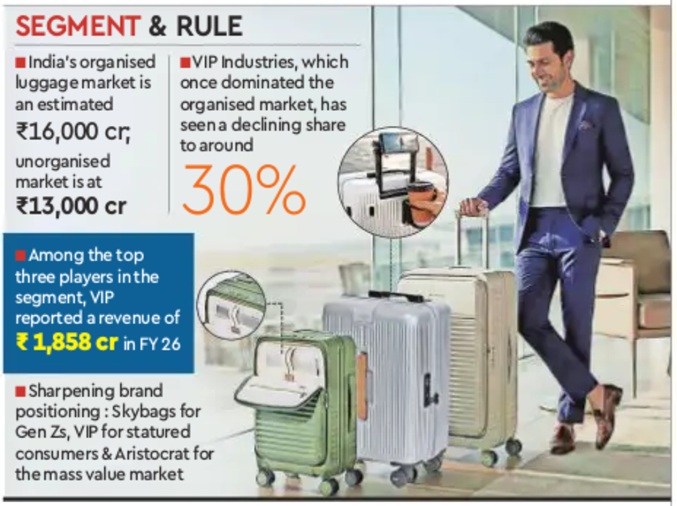
Christina Moniz, Financial Express/Brand Wagon 12 June 2026 Legacy luggage brand VIP Industries is shedding some of its old baggage. The company, which manufactures Skybags and Aristocrat along with its flagship VIP range, has gone beyond cringey makeovers solely to attract Gen Z, and has embarked on a transformation journey that leverages its legacy to purvey a fresh range of offerings. The company is modernising its digital presence and supply chain to catch up with competitors. Managing director Atul Jain admits that the company has been a bit slow on the e-commerce front. It is reinventing its online store, while…
Arushi Jain, The Times of India 8 June 2026 Their faces have launched many campaigns and brought crores to the film industry. But can they sell a moisturiser as successfully? India’s beauty market is the hottest growth story globally, estimated to reach $40 billion from $23 billion (2026) and eyeing the fourth-largest spot by 2030 (currently at number seven). Last month, Estée Lauder announced the buyout of Forest Essentials, one of India’s oldest, Ayurveda-based brands. In 2025, Hindustan Unilever acquired five-year-old skin and hair care brand, Minimalist. A 2025 McKinsey & Company x Business of Fashion survey found that 78%…
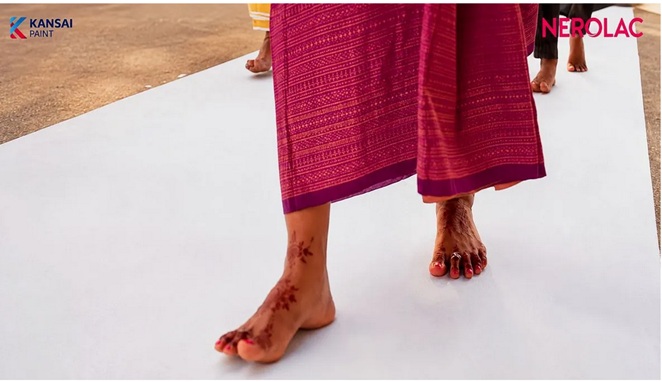
Kartikey Kashyap, Financial Express 27 May 2026 Three campaigns took home the Grand Prix awards from Goafest this year: Kansai Nerolac Paints"The Barefoot Journey" by Tribes Commu-nication in the Media category; Mountain Dew's "Darescore" by Leo in Digital & Technology; and Center fruit (Perfetti Van Melle India)" Kaisi Jeebh Laplapayee"" by Perfetti's in-house team in the Best Use of Voice/Technology category. All three were exceptionally creative and scored high on likeability and novelty. There was another common element that tied the three together: How they used creativity to solve real brand problems. Take PepsiCo's Mountain Dew Darescore campaign. Nepal's tourism…
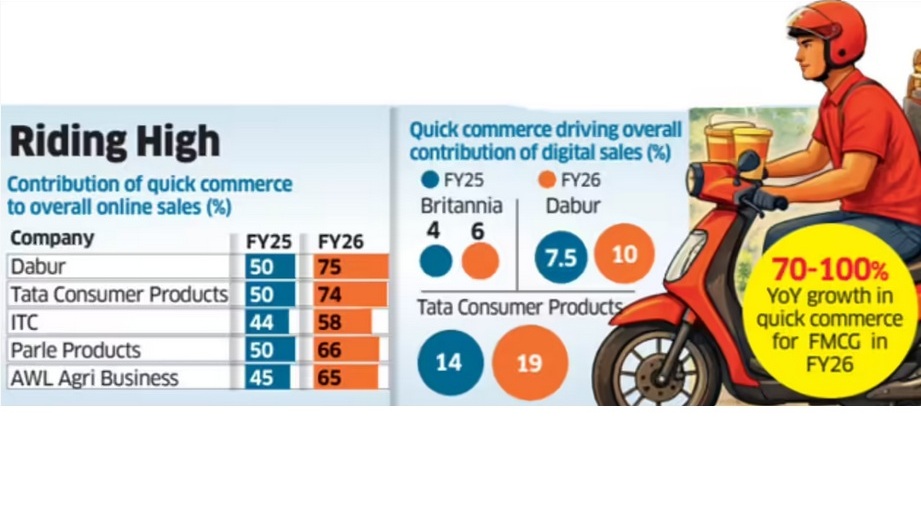
Writankar Mukherjee and Aanya Thakur, Economic Times Kolkata/Mumbai, 27 May 2026 Quick commerce has become the dominant online sales channel for India's top fast-moving consumer goods (FMCG) companies, with Dabur India and Britannia Industries among others now deriving up to 75% of their digital sales from 10-minute delivery platforms. Industry executives said quick commerce is reshaping consumer buying habits and increasingly cannibalising sales from all other channels, including ecommerce platforms, modern trade and kirana stores, even as large online marketplaces and retailers expand into the segment. Latest data from companies including ITC Ltd, AWL Agri Business, Tata Consumer Products and…
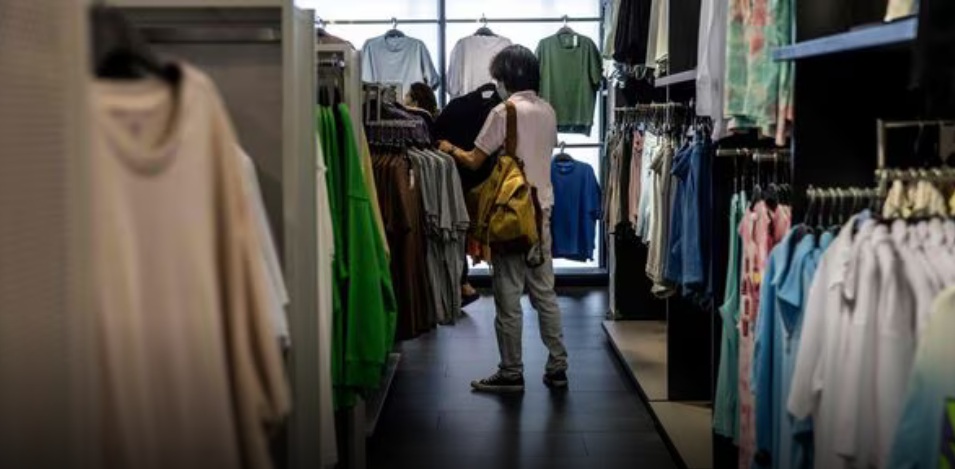
Vaeshnavi Kasthuril, MINT Bengaluru, 25 May 2026 Value fashion retailers across the country are likely to face margin pressure in the upcoming quarters as rising crude oil prices are driving up the cost of polyester and other fabrics. Executives at V-Mart Retail Ltd, Vishal Mega Mart Ltd, and Kewal Kiran Clothing Ltd (KKCL) said crude oil-linked inflation has begun to push up yarn and sourcing costs across apparel and general merchandise categories, with the full impact expected to play out over the next few months. Value fashion retailers face a double whammy: their heavy reliance on polyester and synthetic blends…
Reliance Retail & 7-Eleven ending 5-year franchise deal in India @SagarMalviya_ET
@devangshu:"convenience stores pressured by q-comm; family-kiranas survive with lower overheads & different margin expectations than corps"
Speciality Restaurants expanding into high-margin QSR and cloud kitchen spaces - @devangshu shared his perspective on the opportunities and realities of managing a diverse "house of brands" in the food service sector #India #strategy #diversification
Geopolitical friction has again sparked renewed concerns over inflation and rising input costs for FMCG companies as @itmeansjustice @whysnavi write. @devangshu commented.