
admin
May 8, 2024
At the recent Phygital Retail Convention in Mumbai, Devangshu Dutta anchored an engaging “Fireside Chat” with Bhavana Jaiswal of IKEA India and Kapil Makhija of Unicommerce , on retailers engaging with their customers across channels and formats, and the opportunities as well as challenges in managing experiences seamlessly across online and offline interfaces.
Watch the video at this link:
admin
April 24, 2024

Mumbai, 24 April 2024
Sharleen Dsouza, Business Standard
With the Supreme Court cracking down on Patanjali over misleading advertisements, the advertisement industry is concerned. While industry players acknowledge that some degree of exaggeration in claims is common, the Supreme Court’s firm action signals an impending shift.
On Tuesday the SC said that its interest was not limited to Patanjali but all those Fast-Moving Consumer Goods (FMCGs) and drug companies that mislead consumers through their advertisements.
And Patanjali is not the first one to have crossed the line of puffery. There have been many cases in the past, like Horlicks Ltd versus Zydus Wellness Products where the former sought for a permanent injunction against Zydus for the broadcast of false advertisement.
Similarly, in Rajendra versus Union of India, the Bombay High Court restrained any good or service sale claiming it had supernatural and miraculous powers.
“Puffery in advertising is as old as advertising. There is always an element of exaggeration. Over the years, the government has looked the other way. Guys on the ground should take companies and brands to task and have largely been in cahoots with most of the brands,” said Sandeep Goyal, chairman and managing director of Rediffusion Brand Solutions.
Goyal believes that the SC coming down heavily on Patanjali would be a deterrent for other brands. “Puffery or not is for someone to figure out. In most food products, FSSAI doesn’t care. Who is to identify these ads? I think the SC has done something. This won’t deter other brands and get them to make claims which are within the realm of what is correct,” Goyal said.
A question of ethics
Industry experts point out that the primary objective of advertisement is to stimulate desire in the consumer’s mind. This happens by hook or by crook.
“Misleading a consumer has become inherent in advertising to a certain extent. I think this is dangerous when it comes to food, as it is basic nutrition. If you are embedding misleading information or mis-stating facts in ads then it has a real impact on whoever the customer or consumer is of that product. It is good that the issue has been highlighted,” said brand expert Devangshu Dutta, founder of Third Eyesight.
Then there is the Advertising Standards Council of India and discussions about ethical standards within the industry.
But Dutta believes there is a clear disconnect between what advertisements should say and what actually transpires. “I hope it gets acted upon from the government’s side as well. Self-regulation doesn’t seem to work. We all wish that it works, but it doesn’t. If it becomes more stringent, then it will be good overall,” he said.
While FMCG players are concerned about the stringent action of the Supreme Court, they believe that this will lead to improved advertisement regulation.
Ensuring compliance
Speaking on condition of anonymity, a senior executive of a leading FMCG company said, “The industry is already disciplining itself due to the growing consumer awareness, stringent ASCI guidelines and the impact of influencer marketing. This will further ensure that misleading ads will be few and far in the future.”
Some companies also ensure that their ads adhere to ASCI guidelines before launching them. “We run our ads with ASCI before we release them. This practice has worked in our favour,” said another executive on condition of anonymity.
In its hearing, the SC had said, “We are of the opinion that the issue relating to implementation of the relevant provisions of the Drugs and Magic Remedies Act and the Rules, the Drugs and Cosmetic Act and the Rules, and the Consumers Act and the relevant rules needs closer examination in the light of the grievances raised by the petitioner…not just limited to the respondents before this court but to all similarly situated/ placed FMCGs who have… misleading advertisements, and (are) taking the public for a ride… affecting the health of babies, school going children and senior citizens who have been consuming products on the basis of the said misrepresentation.”
(Published in Business Standard)
admin
February 29, 2024

29 February 2024, Mumbai
Prince M. Thomas, TheMorningContext
Prataap Snacks should have been an easy sell for Peak XV Partners. The venture capital firm, which till recently was known as Sequoia Capital India, is the largest shareholder in the snack maker with a 47.56% stake. It first invested in Indore-based Prataap Snacks in 2011 and has since seen the company become the sixth largest player in the industry. An exit now would give Peak XV returns that would match some of its best exits, like those from Zomato and Go Fashion.
The reality is, finding a buyer for Prataap Snacks isn’t as easy as selling a packet of “chatakedaar” rings bearing its Yellow Diamond brand. In fact, those packets of rings may be one of the reasons why the company seems to have lost some of its spice with suitors. We will come to that in a bit, but first it’s remarkable how many doors Peak XV has knocked on without any luck…
The company’s choice of products, most of them falling under the category of “western snacks”, was prudent. “When it comes to snacks, the Indian market is very diversified. Each region has its own flavour and there are local nuances,” says Devangshu Dutta, founder of consulting firm Third Eyesight. That means a regional snack, like the gathiya that is popular in Gujarat, will have fewer takers in eastern and southern states. Prataap Snacks’s products had no such problem as chips and rings were not region-specific…
Read more at: https://themorningcontext.com/business/sequoia-struggles-to-sell-prataap-snacks
admin
February 21, 2024
The ability of fashion businesses to endure and thrive in the face of stiff competition and changing market dynamics is all about adapting to innovation, customer-centricity, and strategic planning. The correlation between high performing fashion business and product innovation is undeniable.
This panel discussion brings Design and Business Heads together to brainstorm on how fashion companies can devise strategies to drive innovation to remain competitive, meet evolving consumer expectations, and stay ahead of the race.
Moderator: Devangshu Dutta, Founder & Chief Executive, Third Eyesight
Panelists:
admin
February 21, 2024
Published in ETPrime, 21 February 2024
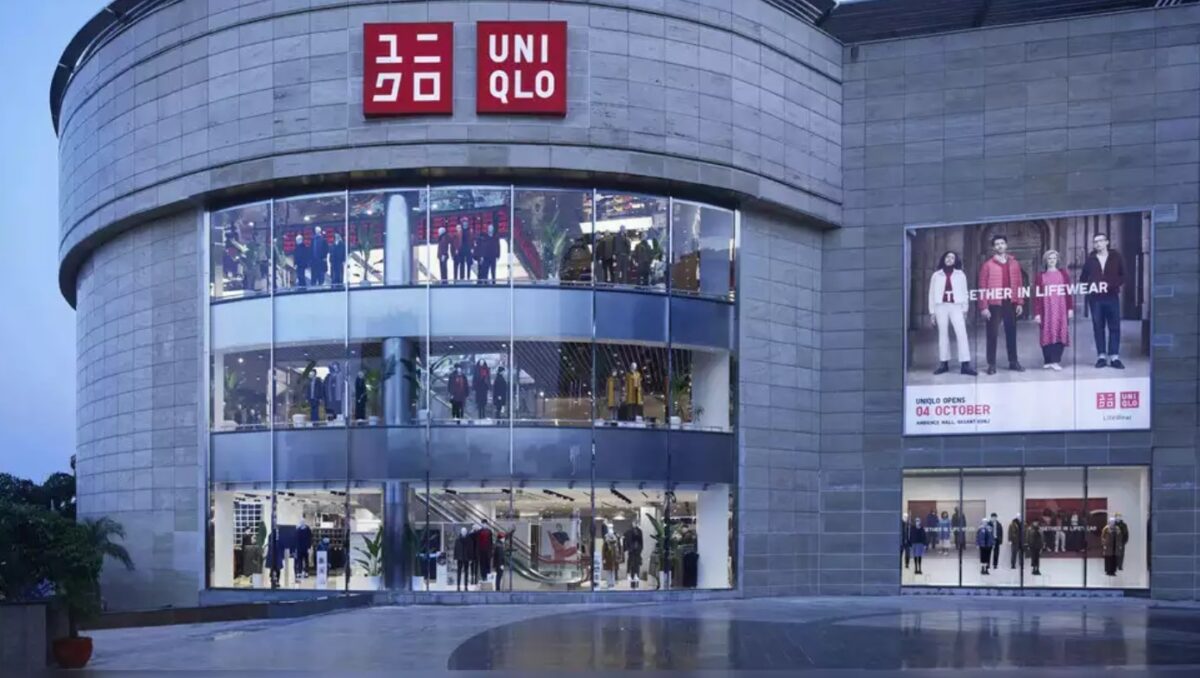
Around two years ago, when Delhi-based Debabrata Bhattacherjee decided to explore a new brand for casual wear, he decided to give Uniqlo a try. The 27-year-old was so impressed by the quality that he became a regular customer of the Japanese fashion brand that had set foot in India in 2019.
“What first attracted me was the convenient design of their store, which was very organised and clean. Very Japanese, to say! The shopping experience is very hassle-free and offers a lot of options. Their clothes are very comfortable and the quality is excellent,” said Bhattacherjee, a video producer. Though the brand is costlier than others, he is okay paying the premium.
Bhattacherjee is among the many Indians who have contributed to the rising sales of Uniqlo. Also known to be Asia’s biggest clothing brand, the Japanese company posted a 69% jump in sales in FY23 from FY22, with a net revenue of Rs 624.6 crore and a net profit of Rs 68.38 crore in India.
Uniqlo is among a bunch of Japanese and South Korean brands that have, in the past couple of years, been gaining more space in the lifestyle and beauty product shelves of Indians. Wacoal, MUJI, Innisfree, Sulwhasoo and Amorepacific have been witnessing a relatively quiet but consistent growth in sales in the country.
East Asian portfolio
Indian consumers are not new to the products from these countries. A popular example is automobiles: Suzuki, Hyundai, Toyota and Honda have made millions of Indians mobile. Now, fashion and lifestyle products from East Asia are also now becoming part of Indian households.
Anand Ramanathan, Partner and Leader-Consumer Products and Retail, Deloitte India, said this is because these brands have built a reputation for quality, design and durability — much like their peers in automobiles and engineering.
East Asian lifestyle and beauty brands initially had an influence in the Northeastern states, where the customers are not only ahead of the curve in fashionability but also found resonance with the look of these brands, said Devangshu Dutta, founder and CEO of management consulting firm Third Eyesight. “In due course, K-dramas and K-pop (Korean popular culture) has boosted their expansion across the country. Japan and Korea are highly developed beauty and skincare markets, with customers who are conscious both about their appearance, as well as about the products’ performance. These brands have established brand equity across markets on their quality, innovation, and product development,” he said.
Indians have been enjoying the “Korean wave” or Haalyu, which refers to the global popularity of Korean culture, music, movies, and TV dramas. Ramanathan pointed out that Korean has emerged as the most learnt language among the 13-22 age group in India. Apart from fashion, he said, the cultural impact can be seen in food and jewellery options of Indian Gen Z and millennials.
Well-travelled Indians who have been exposed to these brands find the pricing has “value” implicitly built in, Dutta added.
Companies from these countries also seem to find value in India. A 2023 survey by the Japan Bank for International Cooperation (JBIC) that collected responses from over 500 manufacturers in the island country showed that 48.6% of the companies considered India a key destination for medium-term business growth. Ramanthan cited a report by DPIIT that stated that since 2000, South Korea has invested $5.7 billion in India across various sectors. Recently, South Korea has invested $400 million in India during July 2022 to June 2023.
E-commerce is a driver
Another brand on this list is Japan-based Wacoal. The lingerie maker entered India in 2015 with its first store in Mumbai, and has posted an impressive 3X year-on-year increase over the last eight years, said Pooja Merani, COO of Wacoal India.
This was because its products have adapted designs that align with the preferences of the Indian market, demonstrating cultural sensitivity, she said. The company measures the physique of approximately 1,000 women and girls between the ages of 4 and 69 every year, said Merani. This has helped it make clothes that suit Indians well. “Prioritising fit and comfort in the offerings, and understanding the diverse body types in India, have likely contributed to customer satisfaction and loyalty,” she said.
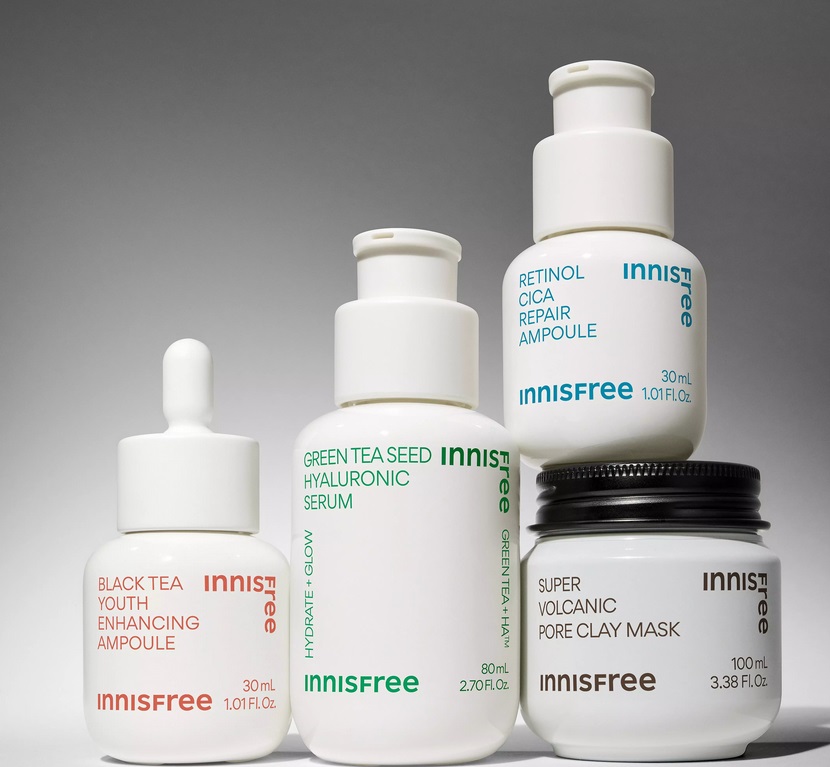
South Korean beauty firm Amorepacific, which is the parent company of popular cosmetic brands such as Innisfree and Sulwhasoo, said they are seeing traction in India as the beauty and wellness industry is experiencing robust growth. “There is an increasing awareness and emphasis on skincare, with consumers seeking effective and high-quality products. India has a large and youthful population, and the youth are often early adopters of beauty trends. Korean skincare products, with their trendy packaging, innovative formulations, and youthful image, can resonate well with this demographic,” said Mini Sood Banerjee, Assistant Director and Head of Marketing at Amorepacific Group.
The company had last year signed an agreement with Reliance Retail to sell through its online fashion platform, Tira. Banerjee said 80% of its sales are through e-commerce. “INNISFREE has been engaging with the Indian consumer much more rapidly in the online space.”
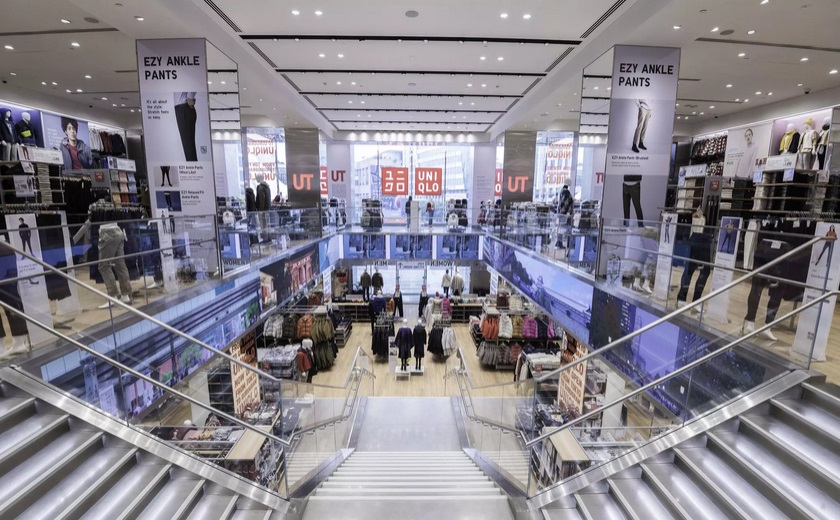
Uniqlo attributed its success to its blend of Japanese philosophy with Indian culture — the company started selling kurtas from 2019, when it had entered India through Delhi. A spokesperson credited the brand’s success to the 13 brick-and-mortar stores in India focussing on its “LifeWear” philosophy. “It is simple, high-quality, everyday clothing with a practical sense of beauty that is ingenious in detail. This approach originates from the Japanese values of simplicity, quality and longevity — and we have seen that Indians appreciate the high level of quality of our apparel,” the spokesperson said.
Making in India
These companies have also started production in India, a sign that they find the market promising.
Wacoal started its production in India last year, and is expanding into newer segments. The Uniqlo spokesperson said the company is on track to achieve 30% domestic sourcing. “We are actively growing local suppliers to deliver quality products for our customers. For example, we now work with 17 sewing factories and 6 fabric mills in India.”
Fashion, home textiles and other home products are potentially the first categories where manufacturing within India can be explored, said Third Eyesight’s Dutta. Brands with a large global footprint and established supply chains find it difficult to shift manufacturing bases.
“To make a shift to India, a substantial volume of demand needs to be generated within the country, and brands also need to be actively looking to diversify from their existing supply bases. Fashion brands and retailers with product lines that are relatively less technical or complex, or for which the size of economically viable production base is relatively small, are already looking at manufacturing more products and greater volumes in India,” he said.
Foreign brands have to find the product-market fit to be successful in a country. India being an ethnically diverse market, the product-market fit can be dissimilar across the country. Brands can be successful only if they can address specific segments and build the business accordingly, Dutta added.
Companies like Wacoal said they are mindful of the cultural challenges. Merani pointed out how the lingerie market is predominantly unorganised and has challenges such as limited awareness about proper sizing and cultural taboos. “Overcoming traditional industry norms and promoting accurate sizing awareness remains a persistent hurdle for us. Additionally, addressing diverse body types while ensuring top-notch quality further adds complexity,” she said.
‘Affluent India’
Despite the challenges and the steep pricing, experts said these brands are becoming popular as Indians have more disposable income.
According to a recent Goldman Sachs report that corroborated data using tax filings, bank deposits, credit cards and broadband connections, the affluent Indian consumer cohort has grown at a compound annual growth rate (CAGR) of over 12% in 2019-23, compared to 1% CAGR in India’s population. Rising retail participation has lifted India market cap over 80%, it pointed out. “The largest beneficiary of rising ‘affluent India’ are categories such as leisure, jewellery, out-of-home food and healthcare, and premium brands within all categories,” it added.
The willingness of Indian customers to pay a premium price for better quality products depends on factors such as product category, brand reputation, target demographic and economic conditions, said Amorepacific’s Sood.
For Japanese brands, the shift in India from electronics and automobiles to clothing and lifestyle is driven by strategic diversification and changing consumer trends. Japanese companies are leveraging globalisation and the increasing exposure of Indian consumers to international lifestyles, said Wacoal’s Merani.
“Economic factors, such as India’s growing middle-class population and economic growth, contribute to the attractiveness of the market. Thorough market research and understanding of local preferences, along with collaborations and partnerships, enable Japanese brands to align their products with the specific demands of the Indian consumer market. Overall, this shift reflects the adaptability and strategic decision-making of Japanese brands, indicating their confidence in the potential for success in diverse sectors beyond automobiles,” she said.
The Indian market still has legs.
The COO of Wacoal India said the lingerie market, for one, would grow by a CAGR of 9.3%, especially as more young women join the workforce.
India presents a great opportunity as a strong growing market. Even domestic brands are competing for “share-of-mind, shelf-space and share-of-wallet, and some larger Indian corporates are also backing their own brands and retail formats with strong investments,” added Third Eyesight’s Dutta.
If the Japanese and Korean brands want to survive, they would need to keep innovating and adapting to consumer preference. For Indians, meanwhile, it is “ache din” when it comes to shopping.
