
admin
June 8, 2026
Arushi Jain, The Times of India
8 June 2026
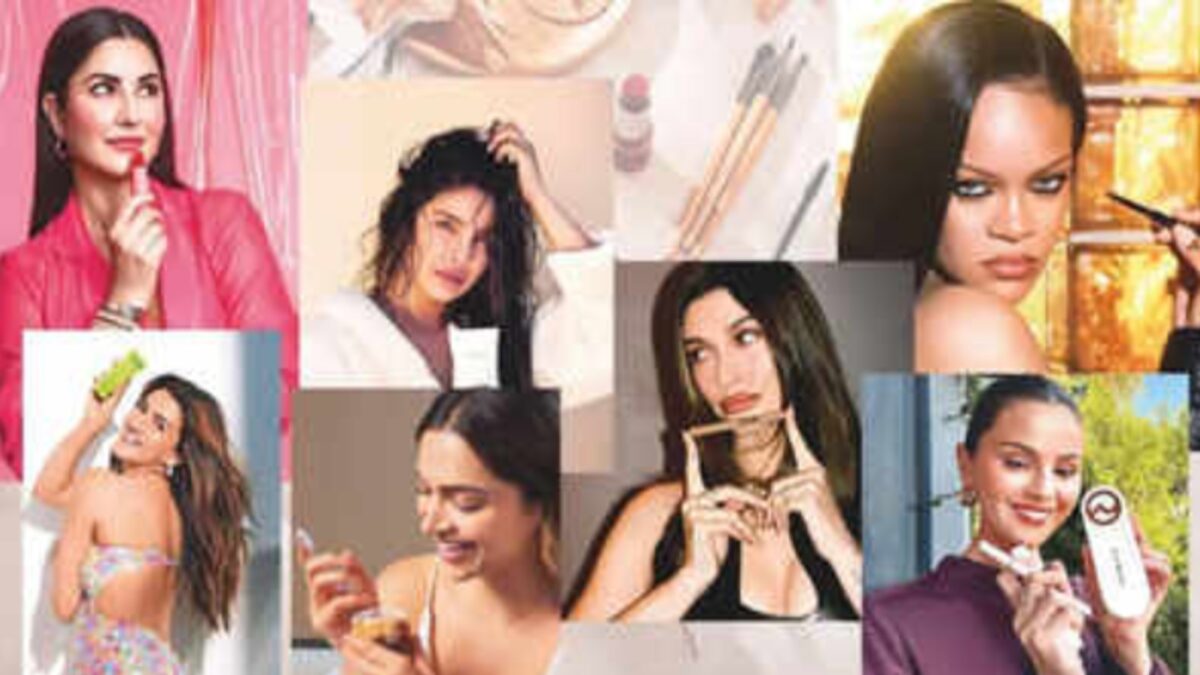
Their faces have launched many campaigns and brought crores to the film industry. But can they sell a moisturiser as successfully? India’s beauty market is the hottest growth story globally, estimated to reach $40 billion from $23 billion (2026) and eyeing the fourth-largest spot by 2030 (currently at number seven).
Last month, Estée Lauder announced the buyout of Forest Essentials, one of India’s oldest, Ayurveda-based brands. In 2025, Hindustan Unilever acquired five-year-old skin and hair care brand, Minimalist. A 2025 McKinsey & Company x Business of Fashion survey found that 78% of global beauty executives see India as the most promising growth market. Even celebrities have shown up with chequebooks, but fans are no longer buying at face value.
While Hailey Bieber’s Rhode built a cult following through what she calls an “outside of the box” strategy, Deepika Padukone’s 82°E reported a 30% revenue dip in FY25. Nykaa is in talks to acquire a stake in the brand.
India’s consumer has evolved faster than the brands serving them. They are reading labels now, not just recognising famous faces on packaging. Star power, it turns out, only gets you so far.
Fame gets you in the door. Formulation keeps you there
If a celebrity is the invitation to the party, formulation is what keeps the guest at the after-party. Despite India’s celebrity beauty segment crossing an estimated `5,000 crore in GMV in FY24, scale has not translated into customer retention. The initial spike, familiar to anyone who has tracked a celebrity launch, gives way to an uncomfortable question: what brings a customer back?
“Celebrity isn’t necessarily a sustainable brand asset,” says Devangshu Dutta, CEO of retail consultancy Third Eyesight. “While celebrities can act as interest-creators and trial-generators, repeat purchases are built on functional reasons, not imagery alone.”
Founders echo the same reality from the ground. “Honestly, people come back for what works,” says Aashka Goradia Goble, co-founder of RENÉE Cosmetics. “If a product performs well, feels easy to use, is priced right, and becomes part of someone’s everyday routine, they’ll keep reaching for it.”
Price, too, remains a decisive filter. Sunny Leone, founder of StarStruck, says, “In India, price is the main component.” The journey from first purchase to loyalty is driven by habit, and habit, in beauty, is built on results.
Positioning over popularity
The gap between a viral campaign and a repeat purchase is wider than most A-listers realise. Brand guru Harish Bijoor locates the problem in what he calls the “spinal cord” of a brand: a single, clear positioning that holds the entire business together.
Rihanna’s Fenty is inseparable from its commitment to shade inclusivity. Kylie Jenner’s Kylie Cosmetics was built around one obsession: lips. “It is extremely important to understand what you want to be and focus on just one thing and not on everything,” Bijoor says. That clarity is precisely where most Indian celebrity beauty brands are still finding their footing.
The old playbook: launch a brand online, wrap it in the language of “clean” or “natural,” and wait for a global conglomerate to come calling has run its course. Today, strategic buyers and consumers alike want a brand that can stand on its own. The question is no longer whether a celebrity can generate awareness. It is whether the brand they have built can survive them.
What the labels that last have in common
The brands breaking through are doing so quietly and methodically. In a category where fame can spark interest but not always guarantee repeat purchase, Katrina Kaif’s Kay Beauty, launched with Nykaa in 2019, has emerged as one of celebrity beauty’s more consistent success stories.
The main reason is less about star power and more about strategy. “If you contrast Kay Beauty and 82°E (Deepika Padukone’s brand), Kay Beauty has two distinct advantages,” says Dutta. “Firstly, being priced for a much larger audience, and secondly, having the active participation of Nykaa across channels in terms of merchandising and visibility push for the brand.”
Nykaa is candid about what made the difference. “When we co-created Kay Beauty with Katrina, shade ranges and formulations designed for Indian skin tones and climate were severely limited,” a spokesperson shares, adding that the celebrity association “amplified the brand rather than substituted for it.” The strategy appears to have paid off: Kay Beauty is now a ₹500 crore-plus annualised GMV brand, with new launches contributing 21% of revenue as of Q3 FY26.
Why Indian skin demands more than a famous name
For Indian celebrity brands, the challenge is not just performance; it is perception. “Domestically, we see the mentality for buyers is to look at international brands first based on trust, and then try domestic brands based on lower price value,” says Leone.
Indian consumers are also highly specific in what they expect. According to market research firm Mintel, shoppers are increasingly drawn to formulations that are clinically tested and grounded in both science and local familiarity. Products must perform in Mumbai’s humidity and Delhi’s pollution and suit the full spectrum of Indian skin tones.
“Indian consumers love products that do more than one job, last long in our weather, and actually match Indian skin tones,” says Goradia. They are cautious spenders, she adds, but willing to invest when they see real quality and innovation.
Nykaa says this ingredient awareness is now visible across the country, not just metros. “Consumers are reading about niacinamide and retinol, they know what they want from a sunscreen, and are making considered purchase decisions. Brands need to earn their place on merit in every market,” says the spokesperson.
“A brand that addresses these needs well and remains within the customer’s budget succeeds,” says Dutta.
Gen Z will drive 50% of India’s beauty consumption by 2030
By 2030, Gen Z will drive 50% of India’s beauty and personal care consumption, a third of all sales will happen online, and per capita income is forecast to rise 138% in real terms by 2040, according to Euromonitor. Nykaa founder and CEO Falguni Nayar told Bloomberg that comparing India’s beauty routines to South Korea’s famed 14-step regimens is premature, “It is still day zero for beauty consumption in India.”
The global conglomerates have done the math. Estée Lauder, L’Oréal, and Puig are all moving deeper into India, betting on a consumer who is younger, more digitally fluent, and more ingredient-literate than any previous generation. The brands they are acquiring, Forest Essentials, Minimalist, Kama Ayurveda, share a common thread: They are built on something that exists independently of a famous face. “This is an industry that is very crowded and takes a lot of time to grow,” says Leone. “Western brands focus on global distribution and profit and loss. Not just turnover at a loss.” The celebrities who will build something lasting are the ones who understand that the launch is the easiest part. As Bijoor puts it: “Celebrity beauty is not skin deep at all. It is a deep brand science.”
(Published in The Times of India)
admin
August 21, 2025

Praveen Paramasivam, Reuters
August 21, 2025
Summary
India's luxury beauty market to quintuple by 2035
Domestic brands account for less than a tenth of sales
Global brands modify offerings for India
India’s luxury beauty market is expected to quintuple to $4 billion by 2035 from $800 million in 2023, driven by its young, affluent, social-media savvy shoppers with rising disposable incomes, consulting firm Kearney and luxury beauty distributor LUXASIA said in a report.
Luxury beauty makes up just 4% of the $21-billion beauty and personal care market, compared with 8% to 24% across top Southeast Asian countries and 25% to 48% in developed markets including China and the United States.
That means there is plenty of room for growth.
“India is the last bastion of growth for premium beauty,” said Sameer Jindal, managing director for investment bank Houlihan Lokey’s corporate finance business in India.
“The Indian consumer is willing to experiment and try out new things.”
U.S. beauty giant Estee Lauder home to the brands Clinique and MAC, expects a strong runway for expansion and long-term growth in India, even as it grapples with soft sales in the Americas and Asia-Pacific.
“India today, within the Estee Lauder network, is looked at as one of the priority emerging markets,” said country general manager Rohan Vaziralli, highlighting plans to initially target 60 million women in the nation of more than 1.4 billion.
Homemaker R. Priyanka, based in the southern city of Chennai, said she was thrilled to have better access to Estee Lauder’s Jo Malone London fragrance in India, as a benefit of the companies’ efforts.
“It is easier than asking someone (abroad) to get it for you every time,” she added.
While global beauty brands might have to modify some of their products for India, which bakes in sultry temperatures in summer and oppressive humidity at other times, they face little competition from homegrown brands.
Kearney and LUXASIA identified only Forest Essentials and Kama Ayurveda as their major rivals, underscoring how domestic brands make up less than a tenth of luxury beauty sales.
In the more established markets of China, Japan and South Korea by comparison, domestic brands account for a 40% share.
“There is, of course, a premium perception gap between globally established brands and Indian brands,” said Devangshu Dutta, founder of retail consultancy Third Eyesight.
Global beauty giants’ huge marketing budgets also give them an edge over domestic brands, other industry watchers said.
WOOING INDIAN SHOPPERS
Estee Lauder is studying online sales patterns to identify the smaller cities to target, such as Siliguri in West Bengal state, partnering with designers such as Sabyasachi Mukherjee, and launching products such as kohl, an eyeliner Indians favour.
It has also invested in Forest Essentials, a brand with herbal ingredients, and in a programme offering funding to domestic beauty start-ups.
This year France’s L’Oreal said it was investing more in India and tapping into the “elevated beauty desires” of the nation’s young, digitally savvy, empowered women shoppers to drive growth. It declined further comment.
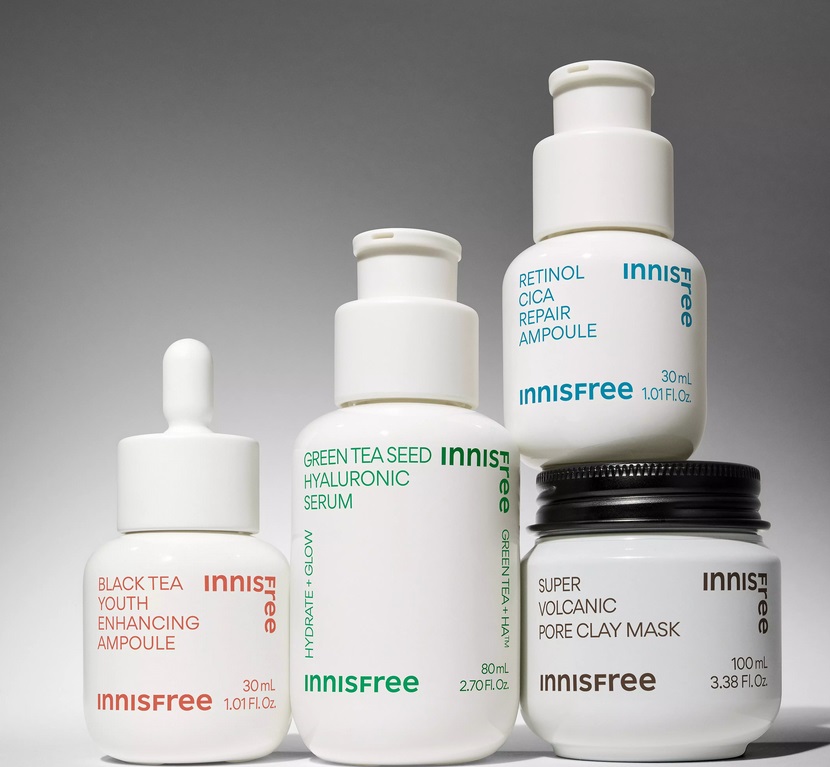
South Korea’s Amorepacific, known for brands such as Innisfree and Etude, is trying to leverage the Korean beauty craze in India with products geared to the market.
These include items for the popular “cleanser, serum, moisturiser, and sunscreen” beauty regimen, the country head, Paul Lee, said.
Japan’s Shiseido, with a history of more than 150 years, brought its NARS brand to Indian beauty retailer Nykaa’s website this year, and plans to step up growth of its brands in the subcontinent.
Global brands are very excited about India, where consumers are splurging more to stay on top of trends such as “cherry makeup”, Nykaa co-founder Adwaita Nayar said, referring to a look featuring flushed cheeks, glossy lips, and soft pink eyes.
Amazon, which has also been seeing a big boom in beauty demand in India, aims to identify emerging global trends and bring in more brands, said Siddharth Bhagat, director of beauty and fashion at the e-commerce company in India.
Retailer Shoppers Stop, which also pioneers foreign labels, plans to open 15 to 20 beauty stores in each of the next three years to boost its revenue from the segment to a quarter from less than a fifth now, its beauty business CEO Biju Kassim said.
Reporting by Praveen Paramasivam in Chennai; Editing by Dhanya Skariachan and Clarence Fernandez
(Published on Reuters)
admin
December 31, 2024

Jasodhara Banerjee, Forbes India
31 December 2024
Once, there was alabaster. Then, there was porcelain. And now there is glass. And no, we are not talking about the different kinds material to make fine, delicate objet d’art, but the quality and texture of facial skin—smooth, flawless and luminescent—that humans aspire to.
While a Google search for the term ‘glass skin’ will churn out hundreds of results that describe not just what the term means—tracing it to Korean skin care routines and products—but also detail the meticulous steps, varying between five and 11, that will apparently make you look like your favourite K-pop singer or K-drama actor. Like all things K (read: Korean), be it television and OTT serials, or food and clothes, K-beauty seems to have taken the Indian market by storm. A search for ‘Korean brands’ on online platforms such as Nykaa and Tira Beauty brings up more than a thousand products, ranging from ₹75 for a facial sheet mask to ₹17,900 for 60 ml of face cream. Clearly, there is something for everybody.
Fuelling this surge has been a plethora of factors, including the rise of online marketplaces that have made Indian and foreign skin care and beauty products more accessible than before, the thriving ecosystem of influencers and content creators that has revolutionised the marketing of these products, and, of course, consumer demand for products that claim to have the goodness of natural ingredients backed by the surety of science. And, surprising as it may seem, the Covid-19 pandemic and accompanying lockdowns also seem to have played a role in this.
Case in point is Amorepacific Corporation, a Seoul-headquartered beauty and cosmetics company that operates in more than 50 countries, and has a portfolio of more than 30 brands, such as Sulwhasoo, Laneige, Mamonde, Etude House and Innisfree. It is one of the largest cosmetics companies, not just in South Korea, but in the world.
“We are the number one beauty and personal care brand in South Korea and were the first Korean corporation to enter India with direct management, with our own subsidiary,” says Paul Lee, managing director and country head, Amorepacific India. “We started our business in India with Innisfree, which uses natural ingredients from Jeju Island in South Korea. We started with Innisfree because India had a huge demand for brands with natural products. Then we introduced Laneige and Sulwhasoo, which fall in the luxury skin care segment, and these were followed by Etude, which is a makeup brand.”
Amorepacific entered India sometime in 2012, taking tentative steps in a fledgling market with minimal investments and a retail store in Delhi’s Khan market. “At that time, the awareness of K-beauty was very small, and our momentum of growth started with the popularity of dedicated ecommerce players like Nykaa. In the last seven years, our annual growth has been 50 percent, our current growth is 60 percent year-on-year,” says Lee.
A potent potion for growth
Although industry players and experts feel there are multiple factors behind this growth, the popularity of Korean cultural elements is a significant one. “Korean beauty and personal care brands have multiple enabling factors. The global expansion of Korean beauty and personal care products has been on the back of a cultural export wave like any other earlier in history; in this case through the growing popularity of K-pop and K-dramas,” says Devangshu Dutta, founder, Third Eyesight and co-founder, PVC Partners. “In India, these brands initially had an influence in the Northeastern states, where customers are usually ahead on the fashion curve and also find resonance with the look of these brands.” He adds that factors such as the increasing number of Indian tourists to East Asian countries, and the growing presence of Korean and Japanese expatriates within India have also supported the growing footprint of these brands.
A spokesperson for Tira Beauty, which was launched in April 2023, agrees with Dutta, and attributes the demand for K-beauty products to the exposure that consumers have to K-dramas and K-pop. However, she adds that a significant factor is rooted in the products themselves. “These are the innovations that these brands are bringing to the table,” she explains. “The kind of formulations they offer are very well-suited for the Indian consumer. The ingredients are very efficacy oriented, and deliver a lot of quality, thus resolving a lot of concerns that consumers in India have.”
For instance, skin hydration is a core need of consumers, and a lot of Korean skin care products focus on hyaluronic acid as an ingredient. “Consumers who have sensitive skin or inflammation as a key concern get to use ingredients like centella asiatica, that a lot of Korean products use,” she says.
The spokesperson adds that the texture of the products is also a factor behind their popularity in India: “A lot of Korean sunscreens are light weight, a lot of their essences are suited for the Indian skin and the Indian weather. Both these factors are contributing to the rise we are witnessing in the space of K-beauty.”
Lee of Amorepacific highlights the use of unique ingredients such as fermented beans, ginseng and green tea that were never used before by American or European companies. There are also many options for consumers to choose from, depending on what is best suited for them. For instance, there is a product line with green tea for consumers with sensitive skin, and the same products are available for those with dry skin. “There are three key metrics that we have seen among Indian consumers: One is the demand for premium quality, two is the demand for glass skin, and the third is reliability.”
Lee also attributes market factors that have been instrumental in making Korean products more accessible to Indian consumers. “There has been a lot of change before Covid, and after Covid. From the macro perspective, the number of internet users with access to low-cost data plans has increased. During the Covid-19 pandemic, the number of new people watching OTT platforms such as Netflix also surged. From the Netflix perspective, I think India is one of the top three countries, where the number of subscribers is concerned.”
According to the Korea Trade-Investment Promotion Agency, the beauty market in India saw substantial growth following the Covid-19 pandemic and is projected to expand by 10 percent annually from 2022 to 2027, more than twice the global average growth rate for the beauty sector. According to market analyst Mordor Intelligence, the K-beauty market in India is expected to grow annually by 9.4 percent from 2021 to 2026.
Lee highlights the popularity of Korean OTT series such as Squid Games in making Indians familiar with Korean culture, and YouTube videos making a lot of people aware of K-beauty. “When we started operating in India, there were hardly two or three brands operating here, but currently there are more than 60 Korean brands in India. The influence of TV and music content has made people familiar with Korean culture, which is similar to Indian culture in being family-centric,” he adds.
Content creator Scherezade Shroff Talwar says, “The Hallyu [Korean] wave during the pandemic has definitely contributed to, what I would say, an over-consumption of Korean culture and I definitely contribute to it as well. K-beauty products have been around in India for a while, but with the increasing popularity of K-dramas and K-pop, people are seeing more such content across multiple platforms. This has contributed to the rising number of Korean brands in India, and the use of their products.” She recalls how, in November, she was in South Korea with her K-drama club, and the members had lists of the products that they wanted to buy there because they are not available in India.
According to a September report by market research firm Mintel, social media analysis in India reveals that there have been 6.2 million posts in the last two years discussing K-drama, K-pop, and K-beauty trends, predominantly among the 19 to 24 age group. This continued popularity in K-pop throughout the APAC region influences consumers’ interest in Korean skin care and beauty products, the report adds.
Lee says that Korean beauty companies have also been prompt to react to the demands in the market. For instance, Innisfree introduces new products every three months, and they are based on consumer feedback through social media and actual stores. Given the demand from Indian consumers, Amorepacific has also formed a task force at its headquarters which is dedicated to reviewing and studying the Indian market, with plans bring in more brands and businesses.
Data shows, adds Lee, that the import of Korean skin care products into India is increasing by 63 percent every year, going up four times compared to 2020. Amorepacific’s own research shows that 53 percent of Indian beauty consumers have already tried Korean products. “Fifteen percent of the entire skin care products market is now dominated by Korean products,” he claims.
Although Amorepacific decided to close all 23 of its exclusive stores in India because of the losses suffered during the pandemic, it decided to partner instead with local channels such as Nykaa, Tira Beauty and SS Beauty, and its products are today available across 400 counters in 45 cities. “Although our company is seeing 60 percent growth every year now, our retail area is doubling every year,” says Lee. “Our aim is to be available in 500 counters within a year.”
The availability and accessibility of Korean skin care and beauty products have also coincided with the rise of marketing products through influencers and content creators. The spokesperson for Tira Beauty says that influencers have played a massive role in the popularity of Korean products. “One of the reasons why K-beauty products do well across markets is because Gen-Z consumers tend to follow a lot of these influencers,” she explains. For instance, Tira launched the Beauty of Joseon sunscreen, and it went out of stock very quickly. “We experienced this because there was a lot of awareness due to influencer activations, and there’s a certain amount of virality these products enjoy even before they are launched.” She also gives the example of the brand Tirtir, which was launched on Tira Beauty in India in November. “The brand rolled out samples to influencers in India in July, and that helped propel demand to a great extent.”
According to business consulting firm Grand View Research, celebrity influencers have been beneficial to marketers due to their global reach, which often transcends cultural boundaries. Hence, the top strategy used by Korean cosmetics brands is to sell their products to Korean celebrities. Storytelling using Korean celebrities as brand ambassadors, and streaming advertisements and video tutorials all over the social media platform are some of the major strategies adopted by K-beauty brands.
Grand View Research gives the example of the lip layering bar of Laniege, which has emerged as a convenient tool for those who want to get the trendy gradient lip look with just a single application. Celebrities such as actors Song Hye Kyo and Lee Sung Kyung have used the product, enhancing its appeal and desirability among consumers.
Celebrities from different parts of the world promote K-beauty products, and this fosters a cross-cultural appeal and encourages individuals from diverse backgrounds to explore and adopt these products in their skin care routines. Following this global trend, in India, young celebrities have been roped in to appeal to Gen-Z consumers. For instance, actor Palak Tiwari became the first Indian brand ambassador for Etude, while actor Wamiqa Gabbi became first Indian brand ambassador for Innisfree, and Sara Tendulkar, daughter of cricketing legend Sachin Tendulkar, is the brand ambassador for Laneige.
Dutta of Third Eyesight says, “Influencers certainly have played a role in building the buzz around K-beauty and have formed a relatively cost-effective means to spread the message in the past. However, in recent years with a growing number of social influencers, there is more clutter as well on the channels.”
India not in the big league, but demanding
Although the rise of K-beauty products in India has been significant, the country remains a far smaller market for these brands compared to markets such as the US, Europe and China. According to Grand View Research, the global K-beauty products market size was valued at $91.99 billion in 2022 and is expected to grow at a compound annual growth rate (CAGR) of 9.3 percent from 2023 to 2030.
The consulting firm says the Korean cosmetics industry grew steadily during the Covid-19 pandemic, owing to an increase in awareness of the numerous benefits offered by the products. Moreover, due to a rise in popularity among consumers, major K-beauty companies are taking initiatives such as R&D, product launches, mergers and acquisitions to retain shares in the market and respond to changes in the marketplace by introducing a range of items.
Grand View Research valued the US market, one of the largest for K-beauty products, at $20.2 billion in 2021 and expects it to grow at a CAGR of 8.8 percent between 2023 and 2030. Compared to this, Statista valued the India K-beauty market at $486 million in 2021, and expects it to grow to over $1.3 billion by 2032.
Lee of Amorepacific says the US remains the largest beauty market as a whole, followed by China, Japan, the UK, France and India. “One of the differentiating factors between the US and Indian consumers is that the premium market in India is very small, and it is still a mass-product driven market,” he says. “Secondly, ecommerce in India is still quite small. In South Korea and the US, ecommerce just in the beauty segment, is 30 to 40 percent, while in India it is 13 percent. India is traditionally an offline market.”
He adds that despite the growth, Indians remain sceptical about whether Korean products are suitable for Indian skins, and there is demand for products that are made only for Indians. “Localisation, therefore, has become important for the company. Although we conduct clinical trials in different geographies, we are starting to take more feedback from Indian consumers, and we are ready to develop products only for the Indian market. For instance, we have introduced the Innisfree kajal and the Innisfree hair massage oil, and have developed lip colours for the Indian market.”
Although the company did not divulge revenue figures, it is expecting to grow six times in the next six years in India, and plans to introduce at least five more brands within the next seven years in this market.
(Published in Forbes India)
admin
February 21, 2024
Published in ETPrime, 21 February 2024
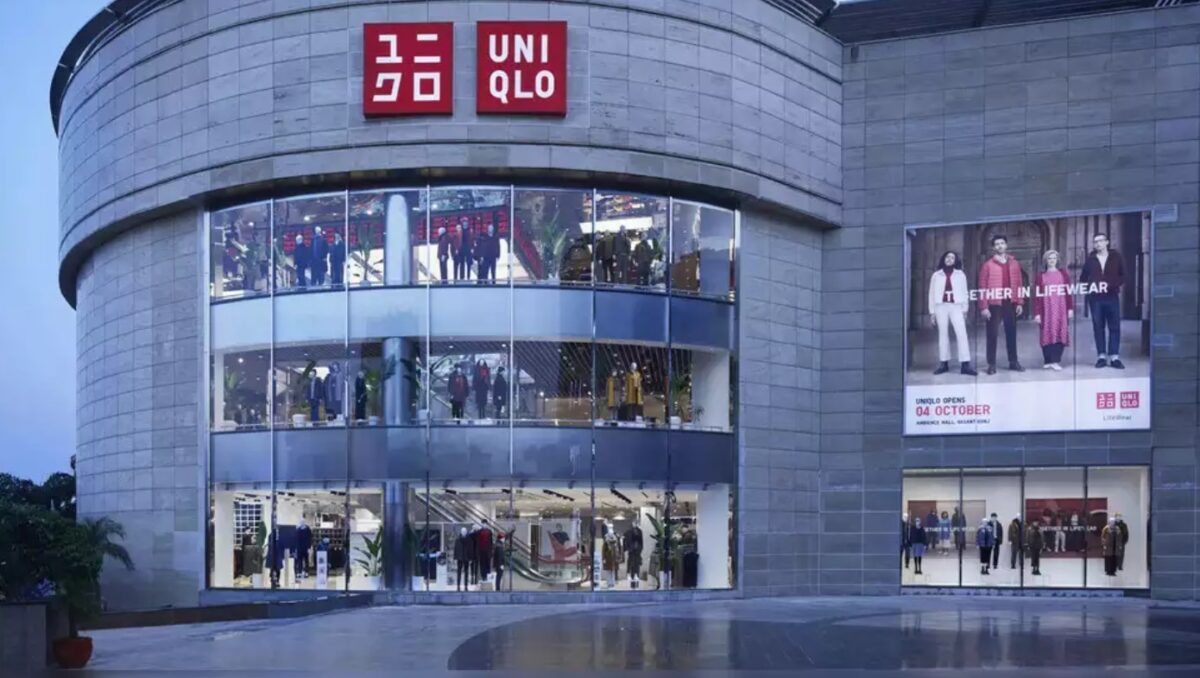
Around two years ago, when Delhi-based Debabrata Bhattacherjee decided to explore a new brand for casual wear, he decided to give Uniqlo a try. The 27-year-old was so impressed by the quality that he became a regular customer of the Japanese fashion brand that had set foot in India in 2019.
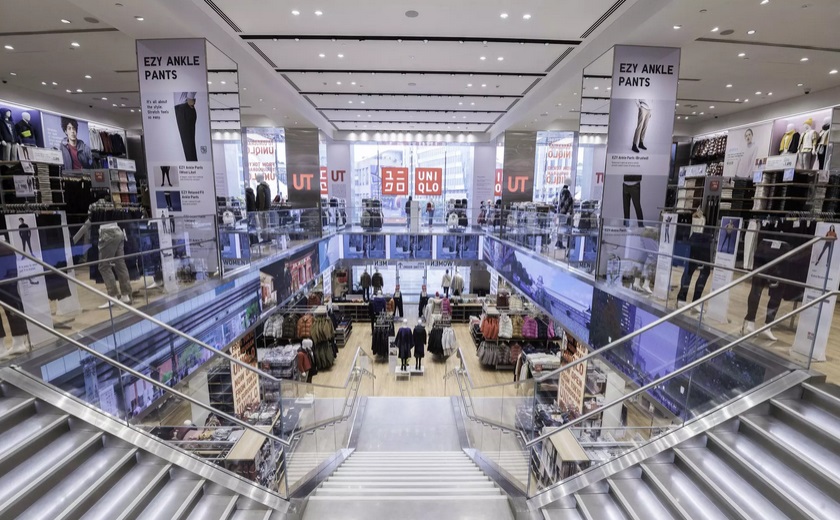
“What first attracted me was the convenient design of their store, which was very organised and clean. Very Japanese, to say! The shopping experience is very hassle-free and offers a lot of options. Their clothes are very comfortable and the quality is excellent,” said Bhattacherjee, a video producer. Though the brand is costlier than others, he is okay paying the premium.
Bhattacherjee is among the many Indians who have contributed to the rising sales of Uniqlo. Also known to be Asia’s biggest clothing brand, the Japanese company posted a 69% jump in sales in FY23 from FY22, with a net revenue of Rs 624.6 crore and a net profit of Rs 68.38 crore in India.
Uniqlo is among a bunch of Japanese and South Korean brands that have, in the past couple of years, been gaining more space in the lifestyle and beauty product shelves of Indians. Wacoal, MUJI, Innisfree, Sulwhasoo and Amorepacific have been witnessing a relatively quiet but consistent growth in sales in the country.
East Asian portfolio
Indian consumers are not new to the products from these countries. A popular example is automobiles: Suzuki, Hyundai, Toyota and Honda have made millions of Indians mobile. Now, fashion and lifestyle products from East Asia are also now becoming part of Indian households.
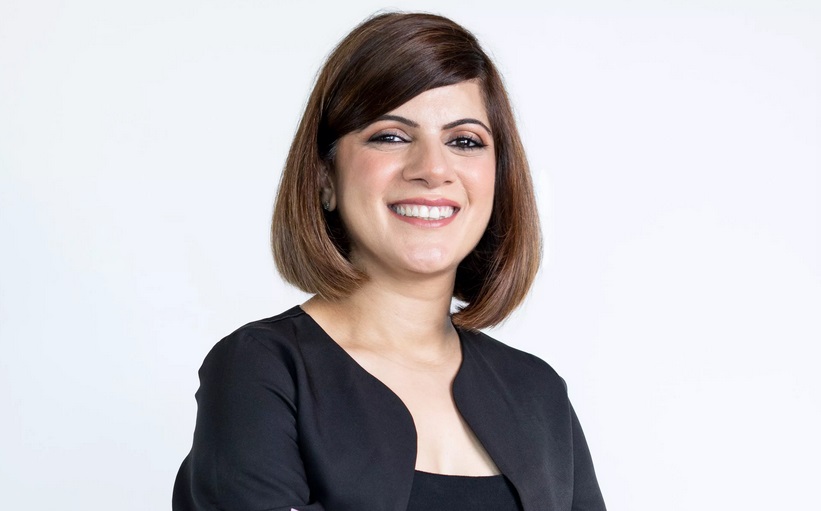
Anand Ramanathan, Partner and Leader-Consumer Products and Retail, Deloitte India, said this is because these brands have built a reputation for quality, design and durability — much like their peers in automobiles and engineering.
East Asian lifestyle and beauty brands initially had an influence in the Northeastern states, where the customers are not only ahead of the curve in fashionability but also found resonance with the look of these brands, said Devangshu Dutta, founder and CEO of management consulting firm Third Eyesight. “In due course, K-dramas and K-pop (Korean popular culture) has boosted their expansion across the country. Japan and Korea are highly developed beauty and skincare markets, with customers who are conscious both about their appearance, as well as about the products’ performance. These brands have established brand equity across markets on their quality, innovation, and product development,” he said.
Indians have been enjoying the “Korean wave” or Haalyu, which refers to the global popularity of Korean culture, music, movies, and TV dramas. Ramanathan pointed out that Korean has emerged as the most learnt language among the 13-22 age group in India. Apart from fashion, he said, the cultural impact can be seen in food and jewellery options of Indian Gen Z and millennials.
Well-travelled Indians who have been exposed to these brands find the pricing has “value” implicitly built in, Dutta added.
Companies from these countries also seem to find value in India. A 2023 survey by the Japan Bank for International Cooperation (JBIC) that collected responses from over 500 manufacturers in the island country showed that 48.6% of the companies considered India a key destination for medium-term business growth. Ramanthan cited a report by DPIIT that stated that since 2000, South Korea has invested $5.7 billion in India across various sectors. Recently, South Korea has invested $400 million in India during July 2022 to June 2023.
E-commerce is a driver
Another brand on this list is Japan-based Wacoal. The lingerie maker entered India in 2015 with its first store in Mumbai, and has posted an impressive 3X year-on-year increase over the last eight years, said Pooja Merani, COO of Wacoal India.
This was because its products have adapted designs that align with the preferences of the Indian market, demonstrating cultural sensitivity, she said. The company measures the physique of approximately 1,000 women and girls between the ages of 4 and 69 every year, said Merani. This has helped it make clothes that suit Indians well. “Prioritising fit and comfort in the offerings, and understanding the diverse body types in India, have likely contributed to customer satisfaction and loyalty,” she said.
South Korean beauty firm Amorepacific, which is the parent company of popular cosmetic brands such as Innisfree and Sulwhasoo, said they are seeing traction in India as the beauty and wellness industry is experiencing robust growth. “There is an increasing awareness and emphasis on skincare, with consumers seeking effective and high-quality products. India has a large and youthful population, and the youth are often early adopters of beauty trends. Korean skincare products, with their trendy packaging, innovative formulations, and youthful image, can resonate well with this demographic,” said Mini Sood Banerjee, Assistant Director and Head of Marketing at Amorepacific Group.
The company had last year signed an agreement with Reliance Retail to sell through its online fashion platform, Tira. Banerjee said 80% of its sales are through e-commerce. “INNISFREE has been engaging with the Indian consumer much more rapidly in the online space.”
Uniqlo attributed its success to its blend of Japanese philosophy with Indian culture — the company started selling kurtas from 2019, when it had entered India through Delhi. A spokesperson credited the brand’s success to the 13 brick-and-mortar stores in India focussing on its “LifeWear” philosophy. “It is simple, high-quality, everyday clothing with a practical sense of beauty that is ingenious in detail. This approach originates from the Japanese values of simplicity, quality and longevity — and we have seen that Indians appreciate the high level of quality of our apparel,” the spokesperson said.
Making in India
These companies have also started production in India, a sign that they find the market promising.
Wacoal started its production in India last year, and is expanding into newer segments. The Uniqlo spokesperson said the company is on track to achieve 30% domestic sourcing. “We are actively growing local suppliers to deliver quality products for our customers. For example, we now work with 17 sewing factories and 6 fabric mills in India.”
Fashion, home textiles and other home products are potentially the first categories where manufacturing within India can be explored, said Third Eyesight’s Dutta. Brands with a large global footprint and established supply chains find it difficult to shift manufacturing bases.
“To make a shift to India, a substantial volume of demand needs to be generated within the country, and brands also need to be actively looking to diversify from their existing supply bases. Fashion brands and retailers with product lines that are relatively less technical or complex, or for which the size of economically viable production base is relatively small, are already looking at manufacturing more products and greater volumes in India,” he said.
Foreign brands have to find the product-market fit to be successful in a country. India being an ethnically diverse market, the product-market fit can be dissimilar across the country. Brands can be successful only if they can address specific segments and build the business accordingly, Dutta added.
Companies like Wacoal said they are mindful of the cultural challenges. Merani pointed out how the lingerie market is predominantly unorganised and has challenges such as limited awareness about proper sizing and cultural taboos. “Overcoming traditional industry norms and promoting accurate sizing awareness remains a persistent hurdle for us. Additionally, addressing diverse body types while ensuring top-notch quality further adds complexity,” she said.
‘Affluent India’
Despite the challenges and the steep pricing, experts said these brands are becoming popular as Indians have more disposable income.
According to a recent Goldman Sachs report that corroborated data using tax filings, bank deposits, credit cards and broadband connections, the affluent Indian consumer cohort has grown at a compound annual growth rate (CAGR) of over 12% in 2019-23, compared to 1% CAGR in India’s population. Rising retail participation has lifted India market cap over 80%, it pointed out. “The largest beneficiary of rising ‘affluent India’ are categories such as leisure, jewellery, out-of-home food and healthcare, and premium brands within all categories,” it added.
The willingness of Indian customers to pay a premium price for better quality products depends on factors such as product category, brand reputation, target demographic and economic conditions, said Amorepacific’s Sood.
For Japanese brands, the shift in India from electronics and automobiles to clothing and lifestyle is driven by strategic diversification and changing consumer trends. Japanese companies are leveraging globalisation and the increasing exposure of Indian consumers to international lifestyles, said Wacoal’s Merani.
“Economic factors, such as India’s growing middle-class population and economic growth, contribute to the attractiveness of the market. Thorough market research and understanding of local preferences, along with collaborations and partnerships, enable Japanese brands to align their products with the specific demands of the Indian consumer market. Overall, this shift reflects the adaptability and strategic decision-making of Japanese brands, indicating their confidence in the potential for success in diverse sectors beyond automobiles,” she said.
The Indian market still has legs.
The COO of Wacoal India said the lingerie market, for one, would grow by a CAGR of 9.3%, especially as more young women join the workforce.
India presents a great opportunity as a strong growing market. Even domestic brands are competing for “share-of-mind, shelf-space and share-of-wallet, and some larger Indian corporates are also backing their own brands and retail formats with strong investments,” added Third Eyesight’s Dutta.
If the Japanese and Korean brands want to survive, they would need to keep innovating and adapting to consumer preference. For Indians, meanwhile, it is “ache din” when it comes to shopping.
