
admin
August 24, 2024

Writankar Mukherjee & Navneeta Nandan, Economic Times
24 August 2024
Quick-commerce operators such as Blinkit, Swiggy Instamart and Zepto are aggressively trying to lure away consumers from large ecommerce platforms like Amazon and Flipkart by matching their prices across groceries and fast-selling general merchandise, triggering a price war in the home delivery space.
This is a departure from the earlier pricing strategy of quick-commerce players who typically charged 10-15% premium over average ecommerce marketplace prices for instant deliveries, industry executives said.
The strategy now is to win consumers from large ecommerce at a time when urban shoppers increasingly prefer faster and scheduled deliveries, they said.
An ET study of prices of 30 commonly used products in daily necessities, discretionary groceries and other categories, including electronics and toys, in both ecommerce and quick-commerce platforms reveal the pricing disparity has been bridged. “The pricing premium which quick commerce used to charge for instant deliveries is gone with these platforms now joining a race with large ecommerce to offer competitive pricing to shift consumer loyalties,” said B Krishna Rao, senior category head at biscuits major Parle Products.
It seems to be working. Quick commerce is the fastest growing channel for all leading fast-moving consumer goods companies, accounting for 30-40% of their total online retail sales, according to company disclosures in earning calls.
These platforms are also expanding their basket with larger FMCG packs to cater to monthly shopping needs but also non-groceries such as electronic products, home improvement, kitchen appliances, basic apparel, shoes and toys amongst others.
“Consumers have all the apps on their phones and all they want is quick deliveries at the best price,” said Rao of Parle Products.
The increasing competition is putting pressure on ecommerce majors to reduce delivery time.
‘Market acquisition cost’
Flipkart is even eyeing a quick-commerce foray by piloting a 10-minute delivery service called Minutes in some parts of Bengaluru.
Jayen Mehta, managing director of Gujarat Cooperative Milk Marketing Federation that owns the Amul brand, said now that people are buying regularly from quick commerce with an increase in their assortment, legacy ecommerce platforms like Big Basket and Amazon are trying to deliver faster and same day, which has increased competition pressure.
“At the end of the day, consumers compare across channels before buying. So, pricing equality has become important,” Mehta said. “But then, quick commerce has a delivery charge if the order is below a certain value,” he added.
But does their business model allow quick-commerce players to wage a sustained price war against ecommerce platforms?
Quick commerce model requires multiple dark stores to be set up in close vicinity in each market, while ecommerce players mostly make deliveries from centralised warehouses.
But then, quick commerce platforms right now are at a phase where ecommerce was 7-8 years back, said Devangshu Dutta, CEO of consulting firm Third Eyesight.
“Price matching by quick commerce is to acquire market share and is part of market acquisition cost even when it might not be profitable at a per unit transaction level,” he told ET. “They may have to sacrifice margins in the short term to get customers shopping more frequently.”
Blinkit chief executive Albinder Singh Dhindsa earlier this month said the advent of quick commerce has made people want things faster than they would have otherwise got from ecommerce.
“This has led to a direct share shift of a number of non-grocery use cases to quick commerce where customers were primarily reliant on ecommerce for buying these products,” he said in the Zomato-owned quick-commerce platform’s June quarter earnings release.
Dhindsa said quick-commerce platforms are gaining sales by incremental growth in consumption, shift in purchases from next day ecommerce deliveries and mid-premium retail chains.
Citing an example, he claimed the demand Blinkit has generated for online-first oral care brand Perfora is a testament that such brands’ growth and adoption on quick commerce is much faster than on ecommerce.
(Published in Economic Times)
admin
July 8, 2024

Sharleen D’Souza, Business Standard
Mumbai, 7 July 2024
In 2023, after more than two years of development and testing, Mondelez India launched a version of Bournvita that delivers about half the recommended daily allowance of key micronutrients for children, including iron, iodine, and zinc, as well as vitamins A, C and D. All this while having 15 per cent less added sugar.
“Prior to this and around two years ago we also introduced Bournvita 50 per cent less sugar variant to provide an option for consumers. We have made adaptations to our portfolio products like Bournvita biscuits, which now have 15 per cent less sugar, and our most loved Oreo chocolate variant has also seen a 5 per cent decrease in sugar content,” the company said in an email.
This drive is not confined to Mondelez. Other multinational companies, too, such as Coca-Cola, PepsiCo, and Nestle India, have been working on bringing down the sugar, salt, and sodium content. They could be patting themselves on the back for doing this. Not only has the Indian consumer become more health conscious than ever — with all the talk going around that salt and sugar are two of the monsters in your kitchen (the third being maida) — but also the country’s food regulator has swung into action.
On Saturday, the Food Safety and Standards Authority of India (FSSAI) approved a proposal that information about the sugar, salt and saturated fat content on labels of packaged foods and beverages should be bolder and bigger. “Along with empowering consumers to make healthier choices, the amendment will also contribute towards efforts to combat the rise of noncommunicable diseases and promote public health and wellbeing,” the FSSAI said in a statement.
Earlier, the regulator advised ecommerce platforms to ensure that dairy-, cereal-, and maltbased beverage mixes were not available under the “health drinks” or “energy drinks” categories. The recommended sugar intake is 20 grams a day for adults and 25 grams a day for those below 18. Not more than 5 to 10 per cent of a person’s total energy intake should come from sugar. Children under two are not supposed to consume any added sugar. However, these guidelines are often breached because people tend to consume packaged foods.
Therefore, experts and activists have been calling for a different labelling, which would announce out loud what lies inside.

Eating right, drinking right
Some multinationals had already been working on reducing the salt and sugar content. For instance, Coca-Cola removed more than 900,000 tonnes of added sugar globally since 2017, and 19 of its top 20 brands offer reduced-sugar or zero-sugar options. In India, Coca-Cola’s Minute Maid Honey Infused drinks offer added dietary fibre for healthy digestion in three flavours.
“In 2022, approximately 68 per cent of our global beverage portfolio contained less than 100 calories per 12-ounce serving (350 ml), with 246 low- or no-sugar options launched,” Coca-Cola India said in a statement to Business Standard.
The company added that it prioritised transparency by placing calorie information on the front of all its packaging worldwide and did not market its products directly to children under 13.
Nestle India joined the FSSAI’s Eat Right movement and signed the pledge to reduce an average of 6 per cent added sugar, 10 per cent salt, and 2.5 per cent fat in its relevant product categories. “The company has achieved these commitments,” it said.
Varun Beverages, PepsiCo’s India bottler, told its investors on a conference call that its gross margins improved significantly, rising by 385 basis points to 56.3 per cent — and sugar had a role to play in it.
“This increase was largely driven by our focus on reducing sugar content and the light-weighting packaging material, incidentally, also meeting our sustainability initiatives along with the benefits from reduced PET prices which contributed to this improvement,” Raj Pal Gandhi, chief financial officer of Varun Beverages, said on the investor call.
Approximately 46 per cent of the company’s reconsolidated sales volumes, he said, came from low-sugar or no-sugar products. The no- or less-sugar trend is working for the company as it optimises its cost structure and enhances its overall efficiency.
“These efforts have had a tangible impact on our financial performance with EBITDA increasing by 23.9 per cent to the level of Rs. 988.76 crore year-on-year, and the Ebitda margin improving by 240 basis points to the level of 22.9 per cent in quarter one of 2024 (January-March),” Gandhi said. Ebitda, a widely accepted benchmark of profitability, is short for earnings before interest, tax, depreciation, and amortisation.
“So, we are developing more and more — Gatorade, we mentioned a new launch which PepsiCo has given us formulation with zero sugar. So, effort is there, and constant effort is there to reduce the sugar content,” Gandhi said. PepsiCo India said in an earlier statement it had initiated trials of a blend of sunflower oil and palmolein oil in certain parts of its portfolio last year, thus becoming one of the few players in the food industry in India to do so.
Rush of junk
Experts say the standards for food and beverages vary across the world and India should have its own. “There should be thresholds for healthy and unhealthy and, in my view, this should be labelled boldly on the front of the pack,” says Arun Gupta, convener, Nutrition Advocacy for Public Interest (NAPi), a think tank.
A report titled The Junk Rush, jointly brought out by the Breastfeeding Promotion Network of India and NAPi, said: “India faces a severe public health crisis of obesity and diabetes.” In 2022, a group of public health experts, consumers, lawyers, and patient groups had called upon the government of India to check the soaring consumption of junk food among the country’s youth.
“Certain countries are more stringent than others. Even global brands have the same product, but the ingredients differ across countries and continents,” says Devangshu Dutta, founder of Third Eyesight. He explains that India still has some road to travel on food safety, alleging that some ingredients benefit companies more — such as by providing a longer shelf life — than the consumer.
“The Indian regulator is still very new to the game. If you look at processed foods, it is a newer market and the regulator needs to pick-up pace,” Dutta says.
On Saturday, the FSSAI picked up pace.
(Published in Business Standard)
admin
May 20, 2024

Sagar Malviya, Economic Times
Mumbai, 20 May 2024
Spain’s Inditex, the owner of fashion brand Zara, saw its slowest ever sales growth in India, excluding the pandemic year, in FY24 as the world’s largest fashion group faced rising competition from global rivals in the clothing market that is increasingly getting cluttered.
Inditex Trent, its joint venture with Tata that runs 23 of Zara stores in India, saw revenue rise 8% to Rs 2,775 crore last fiscal, significantly down from 40% growth a year ago, according to Trent’s annual report. Net profit was down too at Rs 244 crore, an 8% drop.
Zara has been a runaway success since its arrival in the country more than a decade ago but after initially doubling sales every two years, the brand’s rate of expansion had come down in the past few years. “The market is very competitive, and the challenges are real. Nevertheless, the opportunity pool and the size of the market means that there is space for multiple successful players. Trent remains well placed to navigate this next phase of growth by leveraging our platform and growth engines,” P Venkatesalu, chief executive officer at Trent, said in the report.
Trent that runs Westside has shifted focus on its lower priced fast fashion brand Zudio, which opened about four new stores every week on average last fiscal to take the total store count at 545 doors. Trent also has a separate association with the Inditex group to operate Massimo Dutti stores in India. The entity saw revenues rise 14% to Rs. 102 crore.
Experts said consumer demand has been affected in the past couple of years with brands having to work extra hard to get same-store growth and much of top-line growth has come for brands from store additions.
“Most international and premium Indian brands are competing for a relatively narrow slice of the population pie in the larger urban centres. While the Indian market is a bright spot amid the gloom in the world’s major economies, global pressures are likely to play a part in the confidence among brands to invest in expansion,” Devangshu Dutta, founder of retail consulting firm Third Eyesight, said, adding there is not necessarily “fatigue” for the brand.
“But if the contest for the consumer’s attention is more intense and the consumer’s choices are more fragmented across a wider choice of brands, that will definitely have an impact on any individual brand’s performance.”
Being the world’s second most-populous country, India is an attractive market for apparel brands, especially with youngsters increasingly embracing western-style clothing. Most of Zara’s back-end and merchandise sourcing are handled by Inditex, while the Tata expertise is mainly for identifying real estate and locations.
(Published in Economic Times)
admin
February 21, 2024
The ability of fashion businesses to endure and thrive in the face of stiff competition and changing market dynamics is all about adapting to innovation, customer-centricity, and strategic planning. The correlation between high performing fashion business and product innovation is undeniable.
This panel discussion brings Design and Business Heads together to brainstorm on how fashion companies can devise strategies to drive innovation to remain competitive, meet evolving consumer expectations, and stay ahead of the race.
Moderator: Devangshu Dutta, Founder & Chief Executive, Third Eyesight
Panelists:
admin
February 21, 2024
Published in ETPrime, 21 February 2024
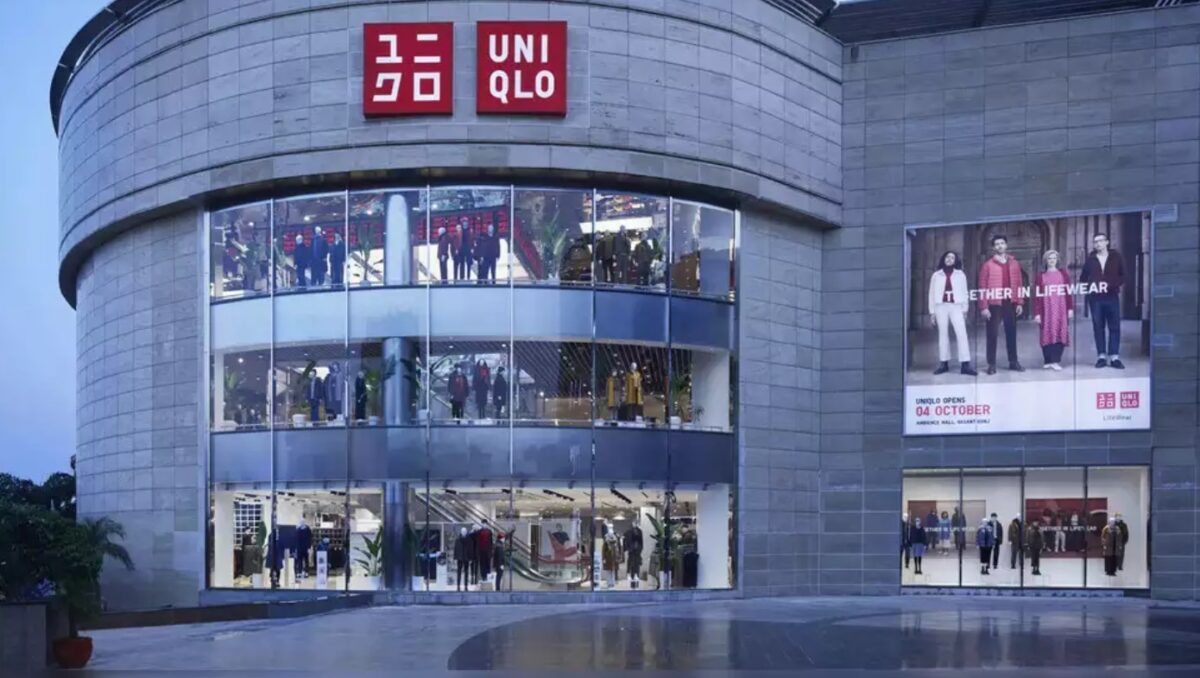
Around two years ago, when Delhi-based Debabrata Bhattacherjee decided to explore a new brand for casual wear, he decided to give Uniqlo a try. The 27-year-old was so impressed by the quality that he became a regular customer of the Japanese fashion brand that had set foot in India in 2019.
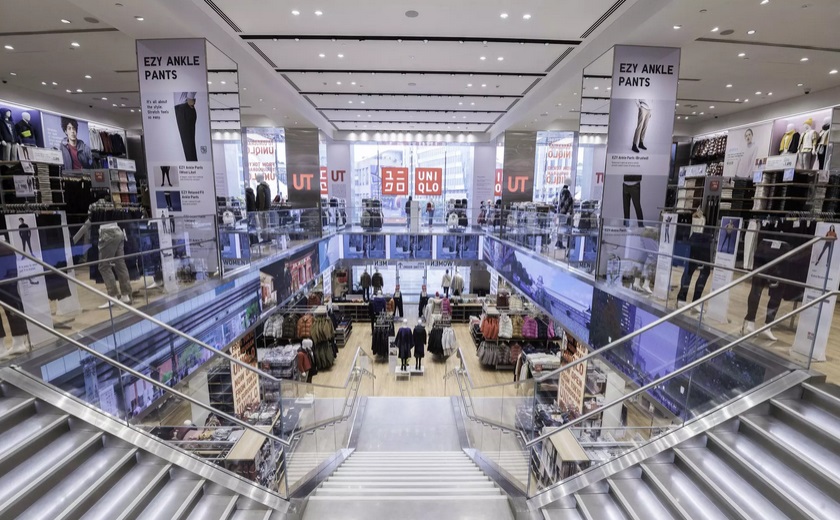
“What first attracted me was the convenient design of their store, which was very organised and clean. Very Japanese, to say! The shopping experience is very hassle-free and offers a lot of options. Their clothes are very comfortable and the quality is excellent,” said Bhattacherjee, a video producer. Though the brand is costlier than others, he is okay paying the premium.
Bhattacherjee is among the many Indians who have contributed to the rising sales of Uniqlo. Also known to be Asia’s biggest clothing brand, the Japanese company posted a 69% jump in sales in FY23 from FY22, with a net revenue of Rs 624.6 crore and a net profit of Rs 68.38 crore in India.
Uniqlo is among a bunch of Japanese and South Korean brands that have, in the past couple of years, been gaining more space in the lifestyle and beauty product shelves of Indians. Wacoal, MUJI, Innisfree, Sulwhasoo and Amorepacific have been witnessing a relatively quiet but consistent growth in sales in the country.
East Asian portfolio
Indian consumers are not new to the products from these countries. A popular example is automobiles: Suzuki, Hyundai, Toyota and Honda have made millions of Indians mobile. Now, fashion and lifestyle products from East Asia are also now becoming part of Indian households.
Anand Ramanathan, Partner and Leader-Consumer Products and Retail, Deloitte India, said this is because these brands have built a reputation for quality, design and durability — much like their peers in automobiles and engineering.
East Asian lifestyle and beauty brands initially had an influence in the Northeastern states, where the customers are not only ahead of the curve in fashionability but also found resonance with the look of these brands, said Devangshu Dutta, founder and CEO of management consulting firm Third Eyesight. “In due course, K-dramas and K-pop (Korean popular culture) has boosted their expansion across the country. Japan and Korea are highly developed beauty and skincare markets, with customers who are conscious both about their appearance, as well as about the products’ performance. These brands have established brand equity across markets on their quality, innovation, and product development,” he said.
Indians have been enjoying the “Korean wave” or Haalyu, which refers to the global popularity of Korean culture, music, movies, and TV dramas. Ramanathan pointed out that Korean has emerged as the most learnt language among the 13-22 age group in India. Apart from fashion, he said, the cultural impact can be seen in food and jewellery options of Indian Gen Z and millennials.
Well-travelled Indians who have been exposed to these brands find the pricing has “value” implicitly built in, Dutta added.
Companies from these countries also seem to find value in India. A 2023 survey by the Japan Bank for International Cooperation (JBIC) that collected responses from over 500 manufacturers in the island country showed that 48.6% of the companies considered India a key destination for medium-term business growth. Ramanthan cited a report by DPIIT that stated that since 2000, South Korea has invested $5.7 billion in India across various sectors. Recently, South Korea has invested $400 million in India during July 2022 to June 2023.
E-commerce is a driver
Another brand on this list is Japan-based Wacoal. The lingerie maker entered India in 2015 with its first store in Mumbai, and has posted an impressive 3X year-on-year increase over the last eight years, said Pooja Merani, COO of Wacoal India.
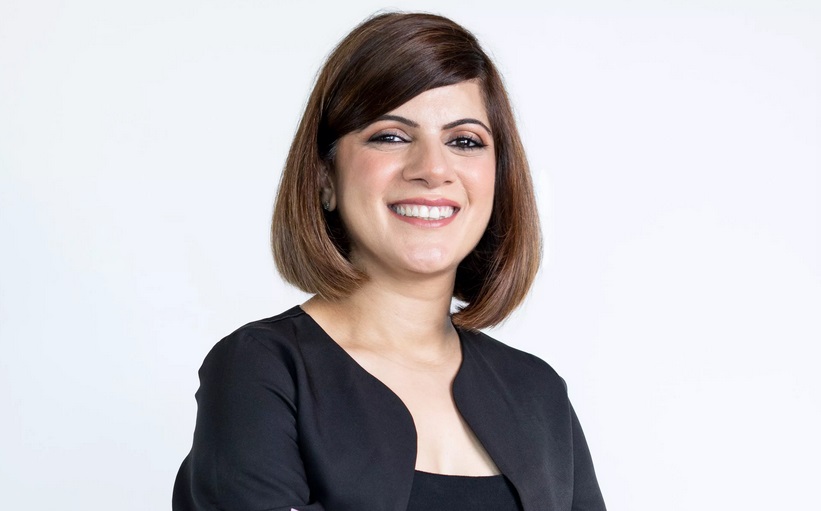
This was because its products have adapted designs that align with the preferences of the Indian market, demonstrating cultural sensitivity, she said. The company measures the physique of approximately 1,000 women and girls between the ages of 4 and 69 every year, said Merani. This has helped it make clothes that suit Indians well. “Prioritising fit and comfort in the offerings, and understanding the diverse body types in India, have likely contributed to customer satisfaction and loyalty,” she said.
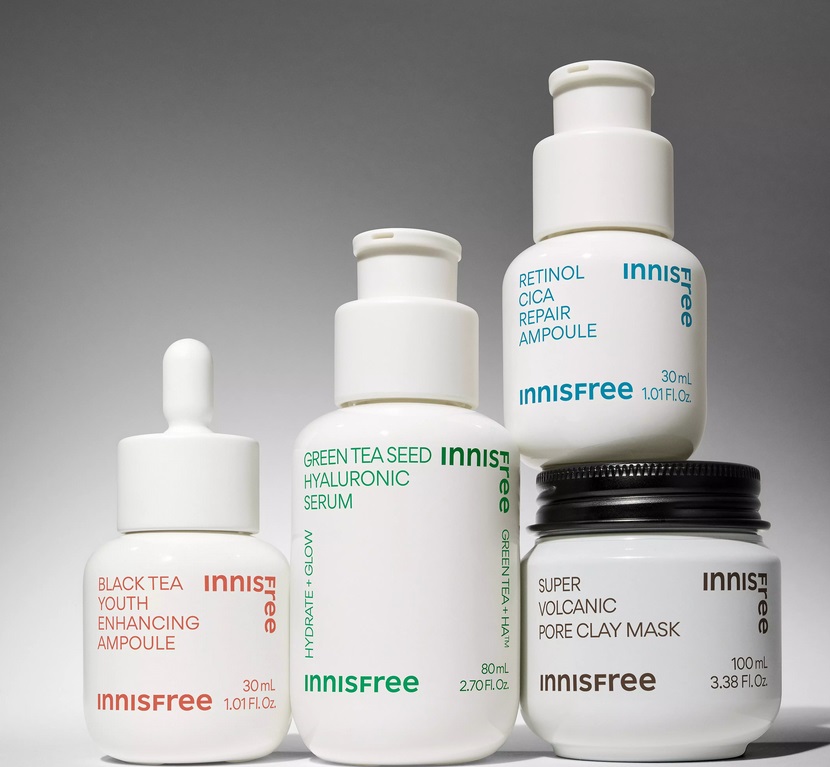
South Korean beauty firm Amorepacific, which is the parent company of popular cosmetic brands such as Innisfree and Sulwhasoo, said they are seeing traction in India as the beauty and wellness industry is experiencing robust growth. “There is an increasing awareness and emphasis on skincare, with consumers seeking effective and high-quality products. India has a large and youthful population, and the youth are often early adopters of beauty trends. Korean skincare products, with their trendy packaging, innovative formulations, and youthful image, can resonate well with this demographic,” said Mini Sood Banerjee, Assistant Director and Head of Marketing at Amorepacific Group.
The company had last year signed an agreement with Reliance Retail to sell through its online fashion platform, Tira. Banerjee said 80% of its sales are through e-commerce. “INNISFREE has been engaging with the Indian consumer much more rapidly in the online space.”
Uniqlo attributed its success to its blend of Japanese philosophy with Indian culture — the company started selling kurtas from 2019, when it had entered India through Delhi. A spokesperson credited the brand’s success to the 13 brick-and-mortar stores in India focussing on its “LifeWear” philosophy. “It is simple, high-quality, everyday clothing with a practical sense of beauty that is ingenious in detail. This approach originates from the Japanese values of simplicity, quality and longevity — and we have seen that Indians appreciate the high level of quality of our apparel,” the spokesperson said.
Making in India
These companies have also started production in India, a sign that they find the market promising.
Wacoal started its production in India last year, and is expanding into newer segments. The Uniqlo spokesperson said the company is on track to achieve 30% domestic sourcing. “We are actively growing local suppliers to deliver quality products for our customers. For example, we now work with 17 sewing factories and 6 fabric mills in India.”
Fashion, home textiles and other home products are potentially the first categories where manufacturing within India can be explored, said Third Eyesight’s Dutta. Brands with a large global footprint and established supply chains find it difficult to shift manufacturing bases.
“To make a shift to India, a substantial volume of demand needs to be generated within the country, and brands also need to be actively looking to diversify from their existing supply bases. Fashion brands and retailers with product lines that are relatively less technical or complex, or for which the size of economically viable production base is relatively small, are already looking at manufacturing more products and greater volumes in India,” he said.
Foreign brands have to find the product-market fit to be successful in a country. India being an ethnically diverse market, the product-market fit can be dissimilar across the country. Brands can be successful only if they can address specific segments and build the business accordingly, Dutta added.
Companies like Wacoal said they are mindful of the cultural challenges. Merani pointed out how the lingerie market is predominantly unorganised and has challenges such as limited awareness about proper sizing and cultural taboos. “Overcoming traditional industry norms and promoting accurate sizing awareness remains a persistent hurdle for us. Additionally, addressing diverse body types while ensuring top-notch quality further adds complexity,” she said.
‘Affluent India’
Despite the challenges and the steep pricing, experts said these brands are becoming popular as Indians have more disposable income.
According to a recent Goldman Sachs report that corroborated data using tax filings, bank deposits, credit cards and broadband connections, the affluent Indian consumer cohort has grown at a compound annual growth rate (CAGR) of over 12% in 2019-23, compared to 1% CAGR in India’s population. Rising retail participation has lifted India market cap over 80%, it pointed out. “The largest beneficiary of rising ‘affluent India’ are categories such as leisure, jewellery, out-of-home food and healthcare, and premium brands within all categories,” it added.
The willingness of Indian customers to pay a premium price for better quality products depends on factors such as product category, brand reputation, target demographic and economic conditions, said Amorepacific’s Sood.
For Japanese brands, the shift in India from electronics and automobiles to clothing and lifestyle is driven by strategic diversification and changing consumer trends. Japanese companies are leveraging globalisation and the increasing exposure of Indian consumers to international lifestyles, said Wacoal’s Merani.
“Economic factors, such as India’s growing middle-class population and economic growth, contribute to the attractiveness of the market. Thorough market research and understanding of local preferences, along with collaborations and partnerships, enable Japanese brands to align their products with the specific demands of the Indian consumer market. Overall, this shift reflects the adaptability and strategic decision-making of Japanese brands, indicating their confidence in the potential for success in diverse sectors beyond automobiles,” she said.
The Indian market still has legs.
The COO of Wacoal India said the lingerie market, for one, would grow by a CAGR of 9.3%, especially as more young women join the workforce.
India presents a great opportunity as a strong growing market. Even domestic brands are competing for “share-of-mind, shelf-space and share-of-wallet, and some larger Indian corporates are also backing their own brands and retail formats with strong investments,” added Third Eyesight’s Dutta.
If the Japanese and Korean brands want to survive, they would need to keep innovating and adapting to consumer preference. For Indians, meanwhile, it is “ache din” when it comes to shopping.
