
admin
December 7, 2025
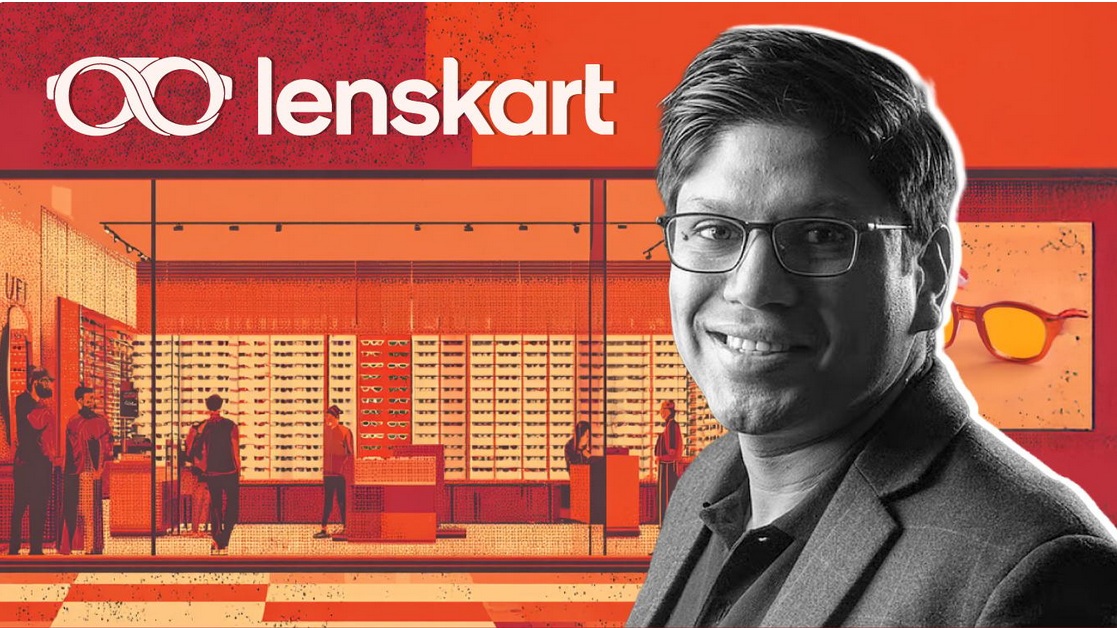
Gargi Sarkar, Inc42
7 December 2025
The past year has been nothing short of monumental for LensKart — from reporting another operationally profitable quarter in Q2 FY26 to making the public markets leap in November, and crossing a market capitalisation of INR 70,000 Cr despite a muted stock market debut.
A clear shift this year has been Lenskart’s effort to move beyond the image of a ‘basic D2C eyewear’ brand selling prescription glasses and sunglasses. The company is now working to reposition itself as a new-age tech brand.
Further, Lenskart is rethinking where and how its products are manufactured. Currently, around 20–25% of its frames are reportedly manufactured in India. The company is ramping up its domestic production. As a new manufacturing facility in Telangana is a work in progress, Lenskart intends to gradually shift most of its manufacturing operations from China to India.
In many ways, 2025 has been about scaling up for Lenskart, and as it embarks on a fresh journey as a publicly listed company, let’s take stock of the company in 2025 and where it might be headed in 2026.
Lenskart’s Smart Eyewear Bet
Lenskart began its smart eyewear journey last year with the launch of Phonic, its audio glasses. It later deepened its push into the segment by announcing a strategic investment in Ajna Lens, a Mumbai-based deeptech company that develops AI-powered XR glasses. Back then, Peyush Bansal described the move as the “next chapter” in Lenskart’s smart glasses journey.
Cut to December 2025, the company is all set to launch its AI camera smartglasses, B by Lenskart, by the end of this month.
What makes B by Lenskart noteworthy is that it isn’t being marketed as just another pair of smart glasses. The new eyewear features an integrated Sony camera that enables hands-free photo and video capture. The glasses come with a built-in AI assistant powered by Gemini 2.5 Live. They are designed to offer natural, conversational interactions and pack in a range of advanced features — from hands-free UPI payments and live translation to wellness insights and more.
What makes the move even more significant is Lenskart’s decision to open B by Lenskart to India’s developer ecosystem. By making its AI and camera technology accessible to consumer apps and independent developers, the company is enabling integrations across categories such as food delivery, entertainment, and fitness.
“By opening its AI smartglasses to third-party developers, Lenskart is moving from a one-time product-sale model to a platform ecosystem model. In the long run, this could unlock recurring revenue streams and higher margins,” said a product developer.
Besides, the company is aligning itself with a younger customer cohort, aided by affordability, style, and technology.
“That’s what seems to define their current strategy. Over time, they’ve also brought in elements of innovation like virtual try-ons, and any product, feature, or service that brings novelty and appeals to younger customers has become part of their brand approach,” said Devangshu Dutta, the founder of Third Eyesight.
Next, the timing couldn’t be better for Lenskart to place its bet on smart glasses. An IDC report reveals that despite a slowdown in smartwatch and earwear segments in the second half of 2025, smart glass shipments shot off more than 1,000% over the last year.

However, it’s not going to be smooth sailing from here.
At its core, Lenskart is still a consumer-facing company, and it needs new products to keep its revenue growing. But the competition is already heating up. Jio unveiled its own AI-powered smart glasses, Jio Frames, at Reliance Industries’ 48th annual general meeting. And of course, Meta continues to lead the global smart glasses market.
At this point, smart eyewear is a niche category, which comes with a hefty price tag.
“Unless cost drops dramatically, mass adoption is still a distant dream. As of now, the product will only attract early adopters and tech enthusiasts, rather than the mainstream consumer,” Dutta adds.
Lenskart’s Make In India Push
Lenskart is not only widening its product range but also ramping up its manufacturing. The company currently operates centralised manufacturing facilities in India (Bhiwadi in Rajasthan and Gurugram in Haryana), Singapore, and the UAE. It also has manufacturing operations in China.

Back home, Lenskart has also signed a non-binding MoU with the Government of Telangana for setting up a greenfield manufacturing facility for optical glasses. The proposed investment stands at INR 1,500 Cr and will be supported by certain incentives and assistance from the state government.
The new production facility is expected to strengthen Lenskart’s domestic manufacturing capabilities while reducing its exposure to foreign exchange fluctuations and import-related volatility.
However, the expansion comes with its own set of challenges. While the new manufacturing plant in Telangana is expected to strengthen Lenskart’s vertical integration, it will come with a hefty cost burden.
Profitability Still A Troubling Question
The cost structure is becoming increasingly important for Lenskart. Despite its headline-grabbing profitability, the company is still operating on fairly thin margins.

Lenskart reported a net profit of INR 297 Cr in FY25, a notable turnaround from a loss of INR 10 Cr in FY24. However, market analysts caution that the business’ core operations were unprofitable. It was largely “other income” or investment income that drove the FY25 bottom line.
“Though Lenskart has increased its revenue from INR 3,789 Cr in FY23 to INR 6,651 Cr in FY25, the company’s profitability has largely improved due to a rise in other income. While it reported a PAT of INR 297 Cr in FY25, a closer look shows that the profit was driven significantly by an increase in other income, which jumped to INR 356 Cr in FY25,” SimranJeet Singh Bhatia, senior research analyst for equity at Almondz Group.
The point of concern here is that Lenskart turned operationally profitable only after its market debut. Bhatia believes that at least three to four quarters of consecutive profitability will be needed to prove the company’s underlying strength.
However, making matters worse are the company’s climbing expenses, which stood at INR 1,980.3 Cr in Q2 FY26, up 18.5% YoY.
What Lies Ahead?
The year was equally sour for the eyewear major. While its IPO generated significant buzz and saw strong subscription levels, its market debut turned out to be a muted affair.
At the upper end of its INR 382 to INR 402 IPO price band, the public issue implied a price-to-earnings (P/E) multiple of roughly 235–238 times its FY25 profits, placing it among the most expensive consumer tech listings in India.
On its first day of trading, Lenskart Solutions Ltd. was listed on the NSE at INR 395 per share, a discount of 1.74% to the issue price of INR 402. The stock, however, fell close to 9% shortly thereafter. On the BSE, it debuted at INR 390, marking a discount of nearly 3%.
After the IPO, Bhatia adds, the biggest concern surrounding Lenskart is the store-level unit economics, particularly because a significant share of the IPO proceeds is being directed toward expanding its company-owned, company-operated store network.
Entering the new year as a public company, Lenskart will have to prove that its scale-up plans are justified and that it has greater control over its balance sheet. 2026 will be a critical juncture for the company, as the next three to four quarters will be closely watched for signs of sustainable growth, improved margins, and stronger operational discipline.
[Edited by Shishir Parasher]
(Published in Inc42)
admin
September 24, 2025

Shabori Das & Sagar Malviya, Economic Times
Bengaluru/Mumbai, 24 September 2025
Chinese fast-fashion platform Shein plans to triple the number of launches in India and shrink its design-to-launch timeline by a third to deepen its push into an increasingly competitive market, a top official said.
The company, which re-entered India through a partnership with Reliance Retail in February this year, said it is overhauling its supply chain to enable faster turnaround times. To achieve this, it has moved away from large-scale manufacturing hubs to smaller production lines with each line focused on creating a single new design daily.
“Our current timelines, measured from ‘thought to site’, stand at 46 days. We are targeting 30 days,” said Vineeth Nair, chief executive of Reliance’s fashion platform Ajio that steers Shein in India. “We currently deliver 320 styles a day – about 10,000 a month – and plan to scale that to over 30,000 styles monthly in the coming months,” he told ET.
Speaking about the speed of manufacturing, Nair said, “We quantify our options in terms of production lines, with each line optimised to deliver one design option per day, rather than factories. Some of our large production units have been repurposed into multiple lines.”
Shein first launched in India in 2018 with its own online shop. However, the app was banned by the Ministry of Electronics and Information Technology (MeitY) along with TikTok, WeChat and over 55 other Chinese apps.
One of the primary issues and controversies surrounding Shein’s India operations was the use of the consumer data by the Chinese apparel retailer.
Under the current partnership model, Reliance Retail is operating Shein under licensing agreement and ensures complete customer data ownership as per the company.
Unlike international markets, Shein India products are made in India.
“It’s still early days – just about three months since we introduced Shein to the India Gen Z,” Nair said. “And we are still in the process of adding multiple products, which we intend to do in the next few months.”
He said the brand is witnessing two million daily average users, dominated by 21-year-old women who account for 62% of the traffic.
Shein, the world’s biggest ecommerce-centred fashion retailer, however, may find it hard to replicate its global success in India, according to Devangshu Dutta, founder of retail consulting firm Third Eyesight.
“Shein’s edge internationally has been its speed of dropping its products, and the width of its product category. The India model is not the same. The India model of fashion is slower, and the product category width is not as large,” he noted. “Hence, the brand will in all probability end up competing with the already established market like Myntra, Zudio and the likes.”

(Published in Economic Times)
admin
April 15, 2024

Sagar Malviya, Economic Times
Mumbai, 15 April 2024
Spanish fashion company Inditex said it will launch youth clothing brand Bershka and Zara Home in India this year.
“Bershka will open its first store in Mumbai Palladium, and Zara Home will open in Bangalore,” it said in its latest annual report.
Inditex had launched fast fashion brand Zara in 2010 and premium clothing brand Massimo Dutti eight years ago. Its new offering, Bershka, will pitch it directly against Reliance Retail’s Yousta, which too targets the younger consumer segment.
Being the world’s second most-populous country, India is an attractive market for apparel brands, especially with youngsters increasingly embracing Western-style clothing. Fast fashion brands such as Zara and H&M became runaway successes soon after they entered the country.
Experts said Bershka’s target consumer profile is mostly teens to mid-20s, slightly younger than that of Zara, which is pitched at 20-40-year-old fashion-driven customers.
“The product assortment is different, with a higher share of knits, fewer dresses and more casual overall compared to Zara, keeping in line with the lifestyles of the customer group. So in that sense it wouldn’t cannibalise Zara in any serious way, though some of the younger set among Zara buyers could migrate some of their purchases to Bershka,” said Devangshu Dutta, founder of retail consulting firm Third Eyesight. “The biggest question is, can they hit the price points that young Indian fashion consumers want as with domestic brands such as Zudio, Yousta and others, or will consumers overlook higher prices for the style mix and a European brand pull in significant numbers to make the brand viable.”
According to a recent report by Motilal Oswal, the ₹2.5 lakh crore value fashion segment accounts for 57% of the total apparel market and is one of the largest and fastest-growing segments. A substantial untapped opportunity beyond the metros and tier-1 cities, driven by better demographics, higher incomes and greater customer aspiration, has compelled several big players to enter a market that was previously dominated by regional and local operators.
Since its inception in 2016-17, Zudio has seen considerable expansion and reached nearly 400 standalone stores, outpacing most apparel brands primarily due to its competitively priced products with an average selling price of ₹300. Following the success of Zudio, a unit of the Tata Group’s Trent, the segment has seen the entry of national retailers in the affordable youth clothing segment such as Yousta by Reliance Retail, Style-Up by Aditya Birla Fashion and Retail and Shoppers Stop’s InTune.
(Published in Economic Times)
admin
February 21, 2024
The ability of fashion businesses to endure and thrive in the face of stiff competition and changing market dynamics is all about adapting to innovation, customer-centricity, and strategic planning. The correlation between high performing fashion business and product innovation is undeniable.
This panel discussion brings Design and Business Heads together to brainstorm on how fashion companies can devise strategies to drive innovation to remain competitive, meet evolving consumer expectations, and stay ahead of the race.
Moderator: Devangshu Dutta, Founder & Chief Executive, Third Eyesight
Panelists:
admin
February 21, 2024
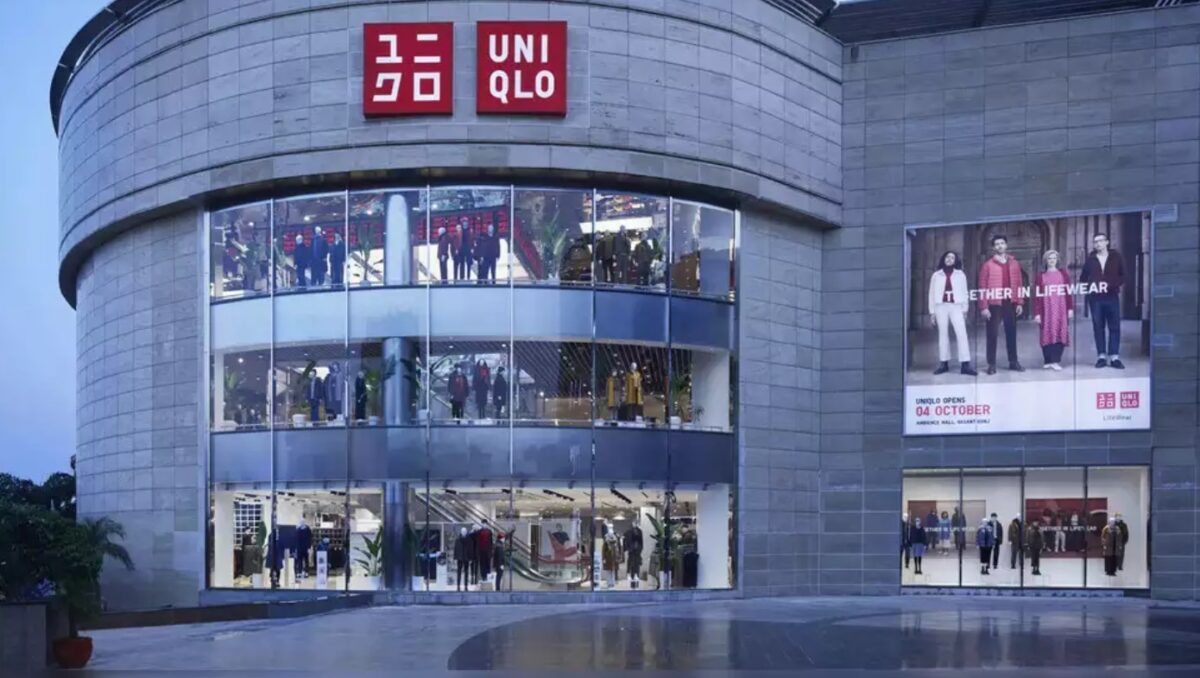
Published in ETPrime, 21 February 2024
Around two years ago, when Delhi-based Debabrata Bhattacherjee decided to explore a new brand for casual wear, he decided to give Uniqlo a try. The 27-year-old was so impressed by the quality that he became a regular customer of the Japanese fashion brand that had set foot in India in 2019.
“What first attracted me was the convenient design of their store, which was very organised and clean. Very Japanese, to say! The shopping experience is very hassle-free and offers a lot of options. Their clothes are very comfortable and the quality is excellent,” said Bhattacherjee, a video producer. Though the brand is costlier than others, he is okay paying the premium.
Bhattacherjee is among the many Indians who have contributed to the rising sales of Uniqlo. Also known to be Asia’s biggest clothing brand, the Japanese company posted a 69% jump in sales in FY23 from FY22, with a net revenue of Rs 624.6 crore and a net profit of Rs 68.38 crore in India.
Uniqlo is among a bunch of Japanese and South Korean brands that have, in the past couple of years, been gaining more space in the lifestyle and beauty product shelves of Indians. Wacoal, MUJI, Innisfree, Sulwhasoo and Amorepacific have been witnessing a relatively quiet but consistent growth in sales in the country.
East Asian portfolio
Indian consumers are not new to the products from these countries. A popular example is automobiles: Suzuki, Hyundai, Toyota and Honda have made millions of Indians mobile. Now, fashion and lifestyle products from East Asia are also now becoming part of Indian households.
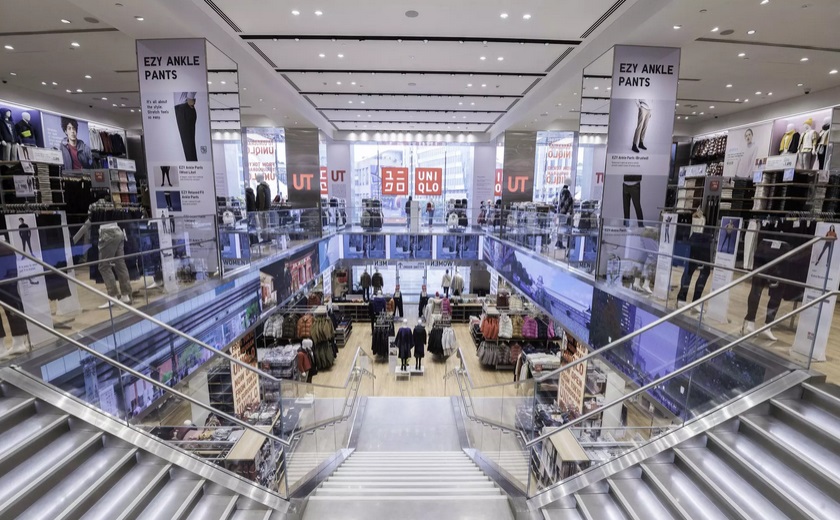
Anand Ramanathan, Partner and Leader-Consumer Products and Retail, Deloitte India, said this is because these brands have built a reputation for quality, design and durability — much like their peers in automobiles and engineering.
East Asian lifestyle and beauty brands initially had an influence in the Northeastern states, where the customers are not only ahead of the curve in fashionability but also found resonance with the look of these brands, said Devangshu Dutta, founder and CEO of management consulting firm Third Eyesight. “In due course, K-dramas and K-pop (Korean popular culture) has boosted their expansion across the country. Japan and Korea are highly developed beauty and skincare markets, with customers who are conscious both about their appearance, as well as about the products’ performance. These brands have established brand equity across markets on their quality, innovation, and product development,” he said.
Indians have been enjoying the “Korean wave” or Haalyu, which refers to the global popularity of Korean culture, music, movies, and TV dramas. Ramanathan pointed out that Korean has emerged as the most learnt language among the 13-22 age group in India. Apart from fashion, he said, the cultural impact can be seen in food and jewellery options of Indian Gen Z and millennials.
Well-travelled Indians who have been exposed to these brands find the pricing has “value” implicitly built in, Dutta added.
Companies from these countries also seem to find value in India. A 2023 survey by the Japan Bank for International Cooperation (JBIC) that collected responses from over 500 manufacturers in the island country showed that 48.6% of the companies considered India a key destination for medium-term business growth. Ramanthan cited a report by DPIIT that stated that since 2000, South Korea has invested $5.7 billion in India across various sectors. Recently, South Korea has invested $400 million in India during July 2022 to June 2023.
E-commerce is a driver
Another brand on this list is Japan-based Wacoal. The lingerie maker entered India in 2015 with its first store in Mumbai, and has posted an impressive 3X year-on-year increase over the last eight years, said Pooja Merani, COO of Wacoal India.
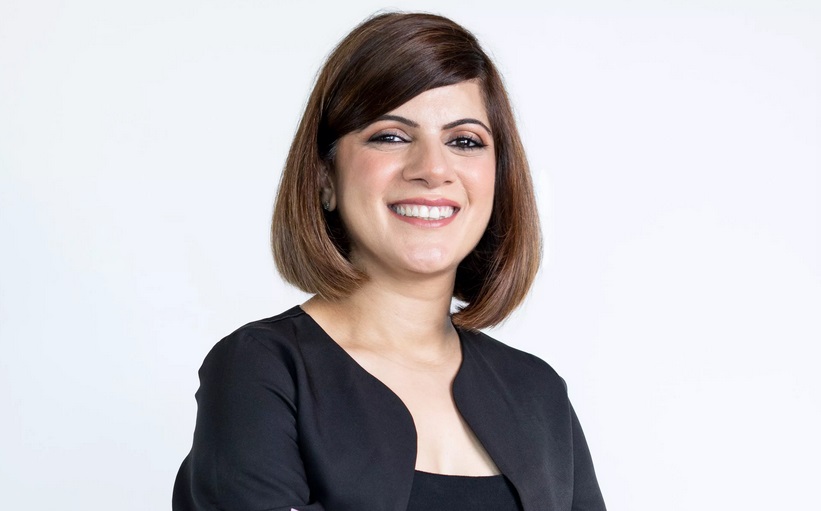
This was because its products have adapted designs that align with the preferences of the Indian market, demonstrating cultural sensitivity, she said. The company measures the physique of approximately 1,000 women and girls between the ages of 4 and 69 every year, said Merani. This has helped it make clothes that suit Indians well. “Prioritising fit and comfort in the offerings, and understanding the diverse body types in India, have likely contributed to customer satisfaction and loyalty,” she said.
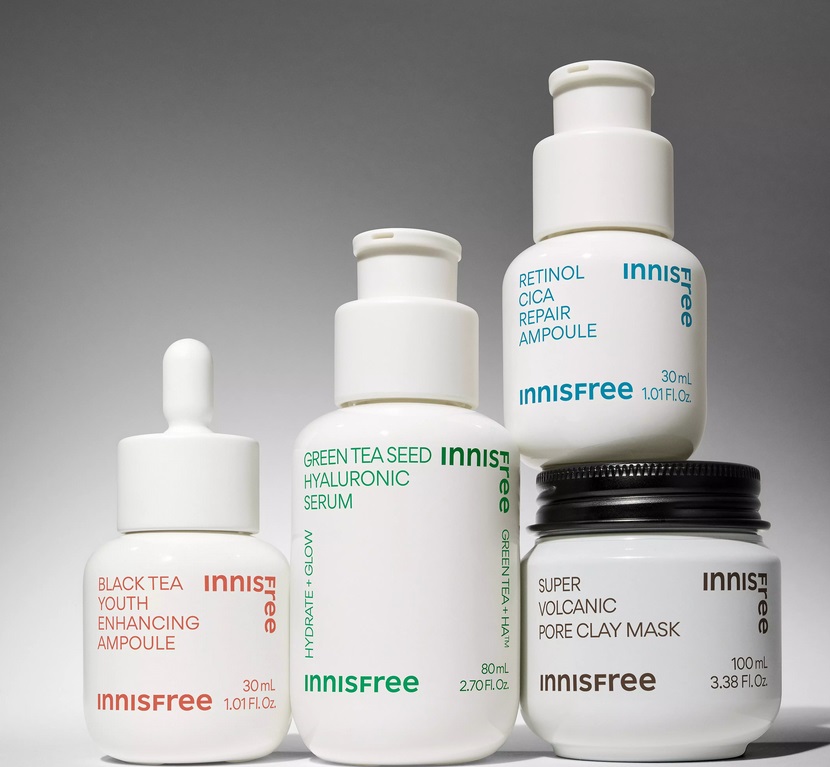
South Korean beauty firm Amorepacific, which is the parent company of popular cosmetic brands such as Innisfree and Sulwhasoo, said they are seeing traction in India as the beauty and wellness industry is experiencing robust growth. “There is an increasing awareness and emphasis on skincare, with consumers seeking effective and high-quality products. India has a large and youthful population, and the youth are often early adopters of beauty trends. Korean skincare products, with their trendy packaging, innovative formulations, and youthful image, can resonate well with this demographic,” said Mini Sood Banerjee, Assistant Director and Head of Marketing at Amorepacific Group.
The company had last year signed an agreement with Reliance Retail to sell through its online fashion platform, Tira. Banerjee said 80% of its sales are through e-commerce. “INNISFREE has been engaging with the Indian consumer much more rapidly in the online space.”
Uniqlo attributed its success to its blend of Japanese philosophy with Indian culture — the company started selling kurtas from 2019, when it had entered India through Delhi. A spokesperson credited the brand’s success to the 13 brick-and-mortar stores in India focussing on its “LifeWear” philosophy. “It is simple, high-quality, everyday clothing with a practical sense of beauty that is ingenious in detail. This approach originates from the Japanese values of simplicity, quality and longevity — and we have seen that Indians appreciate the high level of quality of our apparel,” the spokesperson said.
Making in India
These companies have also started production in India, a sign that they find the market promising.
Wacoal started its production in India last year, and is expanding into newer segments. The Uniqlo spokesperson said the company is on track to achieve 30% domestic sourcing. “We are actively growing local suppliers to deliver quality products for our customers. For example, we now work with 17 sewing factories and 6 fabric mills in India.”
Fashion, home textiles and other home products are potentially the first categories where manufacturing within India can be explored, said Third Eyesight’s Dutta. Brands with a large global footprint and established supply chains find it difficult to shift manufacturing bases.
“To make a shift to India, a substantial volume of demand needs to be generated within the country, and brands also need to be actively looking to diversify from their existing supply bases. Fashion brands and retailers with product lines that are relatively less technical or complex, or for which the size of economically viable production base is relatively small, are already looking at manufacturing more products and greater volumes in India,” he said.
Foreign brands have to find the product-market fit to be successful in a country. India being an ethnically diverse market, the product-market fit can be dissimilar across the country. Brands can be successful only if they can address specific segments and build the business accordingly, Dutta added.
Companies like Wacoal said they are mindful of the cultural challenges. Merani pointed out how the lingerie market is predominantly unorganised and has challenges such as limited awareness about proper sizing and cultural taboos. “Overcoming traditional industry norms and promoting accurate sizing awareness remains a persistent hurdle for us. Additionally, addressing diverse body types while ensuring top-notch quality further adds complexity,” she said.
‘Affluent India’
Despite the challenges and the steep pricing, experts said these brands are becoming popular as Indians have more disposable income.
According to a recent Goldman Sachs report that corroborated data using tax filings, bank deposits, credit cards and broadband connections, the affluent Indian consumer cohort has grown at a compound annual growth rate (CAGR) of over 12% in 2019-23, compared to 1% CAGR in India’s population. Rising retail participation has lifted India market cap over 80%, it pointed out. “The largest beneficiary of rising ‘affluent India’ are categories such as leisure, jewellery, out-of-home food and healthcare, and premium brands within all categories,” it added.
The willingness of Indian customers to pay a premium price for better quality products depends on factors such as product category, brand reputation, target demographic and economic conditions, said Amorepacific’s Sood.
For Japanese brands, the shift in India from electronics and automobiles to clothing and lifestyle is driven by strategic diversification and changing consumer trends. Japanese companies are leveraging globalisation and the increasing exposure of Indian consumers to international lifestyles, said Wacoal’s Merani.
“Economic factors, such as India’s growing middle-class population and economic growth, contribute to the attractiveness of the market. Thorough market research and understanding of local preferences, along with collaborations and partnerships, enable Japanese brands to align their products with the specific demands of the Indian consumer market. Overall, this shift reflects the adaptability and strategic decision-making of Japanese brands, indicating their confidence in the potential for success in diverse sectors beyond automobiles,” she said.
The Indian market still has legs.
The COO of Wacoal India said the lingerie market, for one, would grow by a CAGR of 9.3%, especially as more young women join the workforce.
India presents a great opportunity as a strong growing market. Even domestic brands are competing for “share-of-mind, shelf-space and share-of-wallet, and some larger Indian corporates are also backing their own brands and retail formats with strong investments,” added Third Eyesight’s Dutta.
If the Japanese and Korean brands want to survive, they would need to keep innovating and adapting to consumer preference. For Indians, meanwhile, it is “ache din” when it comes to shopping.
