
admin
July 9, 2026
Neethi Lisa Rojan & Vaeshnavi Kasthuril, MINT
Mumbai/Bengaluru, 8 July 2026
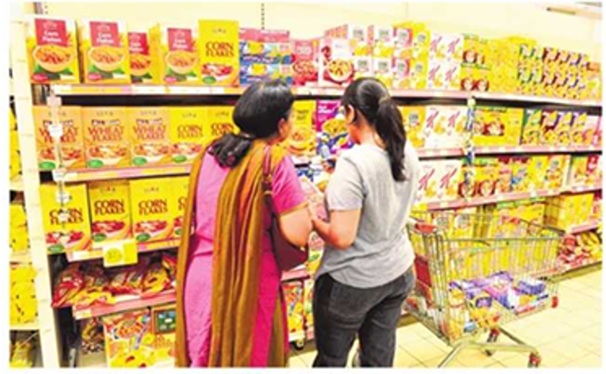
The collapse of the US-Iran peace deal in less than a month has rattled India’s consumer sector, reviving fears that higher oil prices and fresh supply-chain disruptions could squeeze demand just as companies were betting on a broader recovery.
The renewed uncertainty followed US President Donald Trump’s declaration on Wednesday that the peace deal with Iran was effectively over, alongside Washington’s decision to end a sanctions waiver on Iranian energy supplies. The market reaction was swift. The Nifty FMCG Index fell 2.49% on Wednesday, underperforming the broader market as all 15 constituents declined, led by Dabur India, Hindustan Unilever, and Tata Consumer Products, whose shares fell 3-4% each. The benchmark Nifty50 ended 2.12% lower after renewed hostilities in West Asia pushed crude prices higher.
Executives and analysts said companies have little room to respond immediately, leaving them to closely monitor devel opments as risks to costs and consumer spending mount. “I don’t think companies can react on this kind of a short notice,” said Arvind Singhal, chairman of consulting firm The Knowledge Company. “It takes 2-6 months to make any change in your plans and strategy. I think right now the Indian FMCG (fast moving consumer goods) companies will be watching the progress of monsoon more carefully than the Strait of Hormuz.”
Even after the US-Iran peace deal took effect on 18 June, consumer companies were unlikely to have expected immediate relief, analysts said.
“While everyone hoped for a cessation in hostilities, smart management teams would work on the realistic expectation that even with a ceasefire, pent-up supply chain input costs need to be absorbed over time, and pricing plans must be factored accordingly,” Devangshu Dutta, founder and chief executive of consulting firm Third Eyesight, said.
“Given that the conflict zone is active, I don’t think there is any immediate likelihood of pricing freeze or reductions, even though demand in rural areas as well as in lower-income urban segments is likely to be hit from both sides ― earnings and expenses.”
Large consumer goods companies including Dabur, Emami and Godrej Consumer had recently told investors they remained confident about consumer demand, including in rural markets.
But the renewed rise in crude prices, coupled with erratic monsoons marked by rainfall deficit in some regions and flooding in others, threatens to complicate that outlook. Higher fuel costs could lift prices of crude-linked raw materials such as plastic packaging and ingredients used in soaps and creams, while persistent inflation could push consumers to cut discretionary apne ding and trade down even on staples.
Major consumer companies had already raised prices or reduced grammage across packaged food, beverages and personal care products in the March quarter.
“As far as the crude prices are concerned, that is probably the only variable where the government has to decide as far as pricing of crude or the petroleum in India is concerned,” Singhal said.
That comes at an awkward time for India’s largest consumer companies, including Hindustan Unilever, which had earlier this year told analysts they intended to drive growth through higher volumes rather than price increases. A renewed bout of inflation could undermine that strategy.
(Published in MINT)
admin
May 25, 2026
Vaeshnavi Kasthuril, MINT
Bengaluru, 25 May 2026
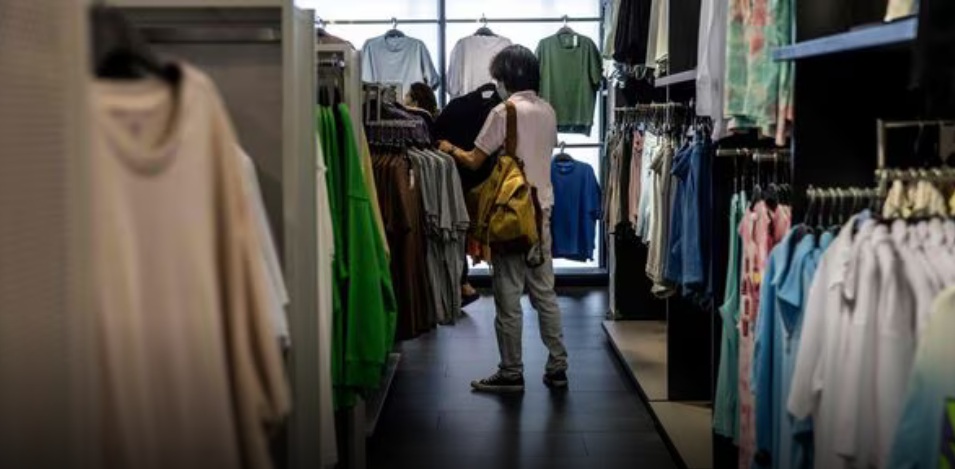
Value fashion retailers across the country are likely to face margin pressure in the upcoming quarters as rising crude oil prices are driving up the cost of polyester and other fabrics. Executives at V-Mart Retail Ltd, Vishal Mega Mart Ltd, and Kewal Kiran Clothing Ltd (KKCL) said crude oil-linked inflation has begun to push up yarn and sourcing costs across apparel and general merchandise categories, with the full impact expected to play out over the next few months.
Value fashion retailers face a double whammy: their heavy reliance on polyester and synthetic blends exposes them to crude-linked inflation, while their price-sensitive customer base leaves little room to pass on rising costs without hurting demand.
Apparel contributes about 22.8% of the overall revenue of the country’s largest retailer, DMart, in FY26. Rising polyester and fabric prices could also weigh on this share, which has been declining since FY20.
“We see almost 60% to 70% consumption of polyester yarn or poly-based product lines, which have or will get impacted,” said Lalit Agarwal during the company’s March-quarter earnings call. Agarwal said that yarn prices had already risen sharply in recent weeks. “There is a rise of almost 10% to 15% in the yarn prices, which effectively converts to almost 5% to 7% in the apparel prices,” he said.
“Cost increases are at multiple points. One, of course, is raw material, which is not only fabric, but also polyester buttons, thread, packaging, all of that,” Devangshu Dutta, founder of Third Eyesight, a consulting firm, said. “Because with value, you cannot really pass on the price hikes so readily to the consumer.”
Dutta said that lower- and middle-income consumers were already under financial stress from broader inflationary pressures, “so, they will not be able to absorb price hikes as easily as well.”
Ebitda margins in Q4FY26 are 10.9% for V-Mart Retail, 13.6% for Vishal Mega Mart and 19.1% for Kewal Kiran Clothing.
Double whammy for value segment
Gunender Kapur, CEO of Vishal Mega Mart, during the company’s March-quarter earnings call, said the inflationary impact had started becoming visible towards the end of April and would likely intensify in the coming months.
Despite rising input costs, retailers said they are avoiding broad-based price hikes on entry-level products amid fragile demand conditions in the value segment.
Entry-level products for these retailers range from ₹199 to ₹399, with some going up to ₹1,500.
“We would never tinker with the opening price points and the lower price points in these difficult times, because those are the customers who are the most vulnerable in inflationary situations,” Kapur said.
Hemant Jain, CEO of KKCL, said the company was willing to absorb part of the pressure on profitability to protect revenues and market share.
Jain also said the company had not yet implemented price hikes despite the inflationary environment.
To cushion the impact, companies said they are increasingly relying on cost optimisation, fabric innovation, premium fashion products and deeper expansion into smaller towns to sustain growth.
V-Mart said it was attempting to offset part of the inflation through alternative fabric usage, sourcing efficiencies and tighter inventory planning.
The retailer has also blocked orders in advance and is utilising existing yarn and fabric inventories available with vendors to soften the immediate impact of rising prices.
Vishal Mega Mart’s Kapur said it has revived cost-saving measures from the post-Ukraine cotton inflation cycle, including replacing cartons with gunny bags, removing polybags from some apparel categories, and shipping footwear without outer cartons.
The retailer has also increased the use of computer-aided design systems to reduce fabric waste during cutting.
Premium products, private labels offer buffer
These value retailers are also increasingly depending on premium and higher-fashion assortments, where consumers are relatively less price sensitive, to absorb selective price increases while keeping entry-level products affordable.
Kapur said Vishal Mega Mart’s large private-label portfolio, which contributes over 74% of its revenue, gives it greater flexibility to manage pricing pressure while maintaining discounts against national brands.
KKCL on the other hand, said it would absorb part of the inflationary impact rather than immediately pass on higher costs to consumers.
These retailers are also increasingly leaning on expansion into smaller towns and deeper markets to drive incremental growth as discretionary spending in larger urban centres remains uneven.
Value fashion retailers have underperformed the broader market amid growing concerns over rising input costs and margin pressure. Shares of V-Mart Retail, V2 Retail Ltd, Vishal Mega Mart and Kewal Kiran Clothing have fallen between 4% and 11% on a year-to-date basis, while the benchmark BSE rose 6.1% during the same period.
(Published in MINT)
admin
May 15, 2026
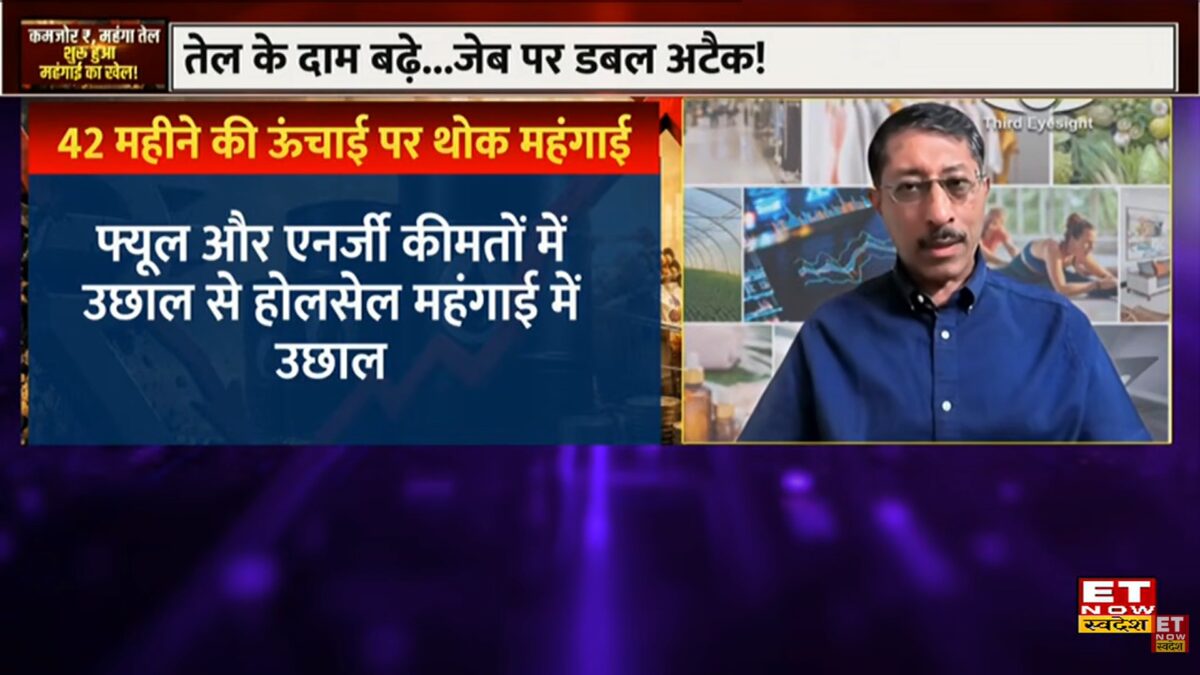
The ET Now Swadesh panel discussion focussed on the dual challenge facing the Indian economy: a weakening rupee and rising crude oil prices, which together are driving “imported inflation” and straining household budgets. Devangshu Dutta (Founder, Third Eyesight) put forth the following key points during the discussion (the video link is under the text summary below):
1. Dual Impact on Industry and Consumers:
2. Vulnerability of Small Businesses (SMEs):
3. Income vs. Expenditure Strain:
4. Ripple Effect of Crude Oil Beyond Logistics:
5. Shifts in Consumer Spending Patterns & “Shrinkflation”:
The panel noted that while the Reserve Bank of India (RBI) has adequate foreign exchange reserves to defend the rupee temporarily, the definitive solution relies heavily on the cooling down of global geopolitical tensions (such as the Middle East conflict affecting the Strait of Hormuz). Until then, Indian consumers will need careful financial planning and smart spending adjustments to navigate this inflationary phase. [Video below.]
admin
May 2, 2026
Neethi Lisa Rojan, Mint
2 May 2026, Mumbai
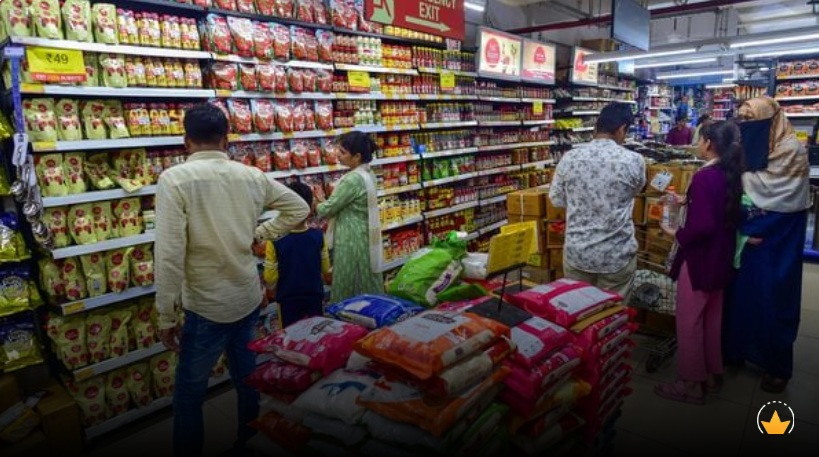
Fast-moving consumer goods makers are leaning on a mix of price increases, smaller pack sizes and tighter cost controls to navigate raw-material volatility triggered by the ongoing US-Iran war, while still reporting robust volume growth for the March quarter. The ongoing war blew up end February this year, disrupting global supply chains.
Executives at top firms said calibrated pricing and ‘shrinkflation’ are helping them protect margins. The trend shows staples demand have held up, but also points to a gradual pass-through of higher commodity and packaging costs to consumers as geopolitical disruptions keep input prices elevated.
At Hindustan Unilever Ltd, the strategy is already in motion. The company has implemented calibrated price hikes and adjusted grammage across products. “We are taking calibrated pricing action in the range of 2-5%,” chief financial officer Niranjan Gupta said in a post-earnings briefing on Thursday. “We use a combination of both the put-down price as well as optimizing the fill levels,” said Gupta. The management also noted that its products in the homecare segment such as soaps (Lux, Pears, Dove, etc.) and detergents (Surf Excel, Rin, etc.) will be the first to be affected by price hikes. Interestingly, this happened at a time when HUL’s volumes grew the fastest in 15 quarters.
Companies have anticipated how consumers will behave.
“In times of inflation, income uncertainty, etc. essentials such as packaged foods, biscuits, and household cleaning products tend to see trade-down behaviour rather than outright disappearance of demand,” said Devangshu Dutta, founder of management consultancy, Third Eyesight. “Consumers tend to shift to smaller pack sizes or private labels, rather than abandoning categories altogether,” he adds.
India’s retail inflation rose from 2.75% in January 2026 to a 10-month high of 3.40% in March, driven largely by food prices.
That balance between pricing and demand is playing out across the sector. Nestle S.A., the parent company of the Indian entity said it saw 3.5% organic sales growth during the quarter, with RIG (real internal growth or volume growth) of 1.2% and pricing of 2.3% in the January-March quarter.
“The conflict in the Middle East will have some impact on commodity and distribution costs, and possibly on consumer behavior. But it’s too early to know the full extent of this,” chief executive officer at Nestlé S.A, Philipp Navratil said in the analyst call after the results. Its India unit, Nestlé India, reported its strongest quarterly growth in nearly a decade, led by double-digit volume expansion.
HUL reported a 21% year-on-year rise in consolidated net profit to ₹2,994 crore, while Nestle India saw net profit up 27% at ₹1,110.9 crore. year-on-year to ₹1,110.9 crore in Q4 FY26. HUL has also retained its medium-term guidance for earnings before interest, taxes, depreciation, and amortization (Ebitda) at 22.5%-23.5%.
The resilience in volumes comes even as input costs surge. Prices of crude oil-linked materials, especially packaging, have risen sharply following disruptions around the Strait of Hormuz chokepoint. High-density polyethylene, widely used in packaging, jumped about 42% in March from the previous month.
Multinationals are already bracing for the fallout. Tide and Gillette maker Procter & Gamble, said in its quarterly earnings call that it could take roughly a $1 billion post-tax hit to its fiscal 2027 profit from surging oil prices. Still, not all inputs are moving in tandem. Prices of staples such as wheat, sugar, tea and coffee have remained relatively stable, offering some cushion. Edible oils, however, remain a concern.
Palm oil, a critical input in many FMCG products, is seeing supply shifts, as producers such as Malaysia and Indonesia divert output toward biodiesel. AWL Agribusiness, which sells Fortune oil, said in the quarterly analyst call that edible oils faced a 10% price surge in March, which has already been passed to consumers. The company expects to pass on the rise in packaging material prices also soon. The company posted a 53% jump in consolidated net profit to ₹292 crore in Q4FY26, from ₹190 crore a year earlier.
Experts expect the trend of margin-saving strategies to continue.
“Depending on the product, category and brand, we will see a mix of price hikes, shrinkflation and rationalization of SKUs (stock keeping units), and also a shift from brand-related to tactical advertising and promotional spends to boost short-term demand,” Dutta said.
Elsewhere, companies are acknowledging broad-based inflation but are continuing to push through growth. Bajaj Consumer Care reported near double-digit volume gains even as managing director Naveen Pandey noted that “nearly 100%” of its cost base is under inflation. The company plans further pricing actions alongside cost optimization. Bajaj Consumer Care’s net profit for the March quarter more than doubled to ₹63.6 crore from a year ago.
Beyond the basics
The ripple effects extend beyond staples. Fashion, lifestyle and grocery retailer Trent Ltd flagged uncertainty around supply chains and inflation, warning of potential implications for near-term demand. “Duration and intensity of disruptions in the Middle East, along with its second order effect on supply chain, commodity prices and inflation in general has potential implications for near-term demand,” the company said in its results presentation.
Meanwhile, consumer appliance maker Havells India has initiated price increases after what chairman Anil Rai Gupta described as an unprecedented escalation in input costs. “I’ve not seen this kind of a price escalation in the recent past in the recent memory,” he said in the post results analyst call.“ Calibrated price actions have been initiated, he said. Havells India reported a strong 40% year-on-year increase in net profit to ₹723 crore in the March quarter.
More clarity may emerge as additional earnings roll in. Companies with higher exposure to West Asia, such as Dabur and Emami, are yet to report results and could face greater consolidated impact due to regional disruptions. “Companies such as Dabur and Emami will be more affected at the consolidated level due to issues in the MENA or Middle East and North Africa Region (6-8% revenue salience),” said analysts at Motilal Oswal Financial Services ahead of the earnings season.
For now, inventory buffers are offering temporary relief. Some companies have built raw-material stockpiles lasting up to six months, helping them absorb immediate shocks. “In our international markets, our effect will be in the raw material, practically zero to a couple of points maybe because we are well-stocked not just for this quarter, but the next quarter also. We normally carry six months inventory in international,” said Raj Pal Gandhi, whole-time director at Varun Beverages, the largest bottler of Pepsico in India, in the quarterly analyst call. This has helped the firm tide over the challenges in plastic shortage faced in March.
However, companies will now have to buy raw materials at higher prices, leaving room open for more price hikes.
(Published in MINT)
admin
August 11, 2023

Christina Moniz, Financial Express
August 11, 2023
Pizza chain Domino’s recently unveiled a Rs. 49 pizza, its cheapest anywhere in the world. At $0.60, the pizza chain’s seven-inch cheese pizza is priced far lower than Domino’s in China (where $3.80 is the cheapest option). As per media reports, the rising inflation has caused Jubilant FoodWorks, which runs Domino’s outlets in India, to see a 70% slide in profits in the first quarter of CY23.
Competitor Pizza Hut has launched its Flavour Fun range, offering 12 new pizzas in five different sauce flavours, starting at a price of Rs. 79, which is easy on the pocket, especially targeted at young consumers. “We further stabilise costs by rolling out value deals from time to time such as 1 Plus 1 (two personal pizzas at Rs. 299 each), a Hut Treat Box for four starting at Rs. 799 and My Box deals starting at Rs. 229 for solo consumption. While food inflation is projected to persist, QSR brands must demonstrate agility and innovation in their offerings to effectively engage with customers,” says Merrill Pereyra, managing director, Pizza Hut India Subcontinent. Despite the competitive nature of the QSR market, he remarks that the rising purchasing power of consumers opens up promising opportunities for brands to expand.
Get the drift?
Crisil says the cost of a vegetarian thali rose 28% in July on the back of high tomato, onion and other raw material prices. With consumers also cutting back on eating out and discretionary spends, brands are bending over backwards to serve offerings at attractive prices to drive up footfalls .
Other fast food chains in the country too are rolling out value meals and snacks to appeal to price-conscious consumers. Burger King India announced its latest value range of ‘Tasty Meals’ starting at Rs. 99 to encourage dine-in consumers, while KFC too has unveiled its snacker range, featuring its most popular offerings like the classic chicken roll and chicken popcorn, at Rs. 99. McDonald’s India (West and South) also recently unveiled a campaign showcasing its easy-on-the-pocket McSaver meals at Rs. 179. McDonald’s India (North and East) made headlines with its decision to temporarily drop tomatoes from their products due to quality concerns and supply shortage.
This is just the second quarter of the current fiscal, but Devangshu Dutta, CEO, Third Eyesight, observes that the trend among QSR brands is to absorb costs or reduce expenses rather than raise prices and risk a drop in footfalls. Most brands are hoping to keep consumer demand up and make up for the loss in margins in the second half of the financial year.
That would be a 1% hit on margins on account of inflation, say experts.
Pramod Damodaran, CEO, Wagh Bakri Tea Lounge, has a slightly different take. Noting that food input cost is just one cost item for a QSR brand, he says that most companies make gross margins of over 60% on each order. These margins are without taking into account costs of labour, rent, etc. “The new price points are designed to drive more walk-ins and new customers. The menu is vast enough to get consumers to eventually spend more after they walk in. Customers often buy a small burger but that is not a substantial meal and so they need to buy fries or other sides, which have higher margins. Most QSR chains find a way to pass on the inflation-added cost to the customer,” says Damodaran. For example, he says, if the inflation rate is at 5% this year, restaurants may increase the price of certain items on the menu by 3% for the first six months and by another 3-4% in the next six months, thus covering the additional input cost.
Focus on efficiency
The fact that brands have launched affordable, lower-priced offerings may have landed them in a slightly tricky situation, says Rajat Tuli, partner, Kearney. “The value offerings at lower prices have encouraged trials and new customer walk-ins, but existing customers are also opting for these. That has resulted in a lower average ticket size, while the cost to serve stays the same. Order volumes have grown but average order values have stayed the same or reduced, which could be a challenge if the trend continues,” he points out, though he adds that gross margins in the current quarter have shown improvement over the last quarter. Fast food chains need to bring in more efficiencies in cost, streamline processes and introduce more digitalisation.
It is also something that McDonald’s India (West & South) is working towards, says MD Saurabh Kalra. Noting that inflation is not new to the company in India, Kalra explains, “Recognising that food inflation is a domestic truth, over the years, we have developed tools and strategies to manage it effectively. This is attributed to our strategic management of our supply chain and product mix, as well as our cost initiatives. We have been successful in managing our costs and in maintaining healthy margins.” Further, with the reality of global warming, there will be pressures on agricultural output.
Kalra argues that enhancing efficiency and adoption of new technology are the only ways to create long-term solutions, something that McDonald’s has been doing globally too.
(Published in Financial Express)
