
admin
June 7, 2025

Pooja Yadav, Inc42
7 Jun 2025
SUMMARY: Nearly two decades after its founding, Myntra has made its first international foray with the launch of‘Myntra Global’ in Singapore. Armed with 100+ Indian brands and over 35,000 styles, it is betting big on the 6.5 Lakh-strong Indian diaspora. Shipping directly from India without local warehousing helps avoid upfront costs but could lead to expensive shipping, long delivery times, and tough return logistics.
Nearly two decades after its incorporation in 2007, Myntra announced last month that it marked its first international foray under the new ‘Myntra Global’ banner. The fashion ecommerce marketplace has launched its operations in Singapore.
The Flipkart-owned platform aims to leverage brand loyalty to drive cross-border commerce by tapping into the Indian diaspora of around 6.5 Lakh people in the island nation.
However, while the brand’s intent is clear, the timing and choice of market raise some concerns. For starters, Singapore isn’t going to be an easy market, especially for a newbie like Myntra. This is because the region is filled to the brim with players like Shopee, Shein, Lazada, and Zalora that enjoy a strong brand recognition and stickiness.
Then, experts believe, Singapore-based shoppers are highly selective, constantly seeking great deals and ahead of the rapidly evolving fashion trends. This, among other factors, could make Myntra’s Singapore entry arduous.
So, what makes industry observers say so? Why isn’t Singapore a promising market for Myntra to begin with? What are the stakes at play here — the hits and the misses? Let’s get right into these questions to make sense of Myntra’s Singapore foray.
A Strategic Experiment?
Myntra’s entry into Singapore isn’t just about going global, it’s a strategic experiment to understand how Indian fashion resonates beyond borders.
According to CEO Nandita Sinha, the core of this launch is Myntra’s attempt to test the waters and understand the product-market fit for Indian fashion in an overseas setting.
But why Singapore? Well, the choice was driven by data. Myntra has found that about 10–15% of its web traffic comes from international markets, and Singapore stands out as a concentrated and engaged segment.
According to Statista (2024), approximately 6.5 Lakh Indians reside in Singapore, with around 3 Lakh Persons of Indian Origin (PIOs). Sinha pointed out, “While analysing our data and exploring potential market opportunities, we discovered that nearly 30,000 of these users are visiting our platform every month.”
This organic interest gave the company confidence to make Singapore its first stop under the Myntra Global banner. The platform has gone live in Singapore with 35,000+ styles, which it now plans to scale up to 1 Lakh in the near future.
However, what’s interesting is that Myntra is betting big on desi styles and brands to cater to the Indian diaspora in Singapore. The platform has launched a curated lineup of over 100 Indian brands, including popular names like Aurelia, Global Desi, AND, Libas, Rustorange, Mochi, W, The Label Life, House of Pataudi, Chumbak, Anouk, Bombay Dyeing, and Rare Rabbit.
Whether it’s ethnic wear, fusion fashion, or home décor, the idea is to spotlight Indian design and craftsmanship. Not to mention, Myntra sees significant potential for cultural occasions such as festivals, weddings and special celebrations.
As per Devangshu Dutta, the founder and chief executive of Third Eyesight, Singapore is an ideal market for Myntra’s international test run due to several reasons. For one, it is a digitally advanced, high-income market with a significant Indian diaspora that is familiar with the brands Myntra offers.
“This makes it a natural nucleus for testing an out-of-India offering,” Dutta said, adding that Singapore’s relatively small size makes it easier to manage the complexities of merchandising across different segments, potentially making it a more efficient testing ground.
Moreover, if the business succeeds, Singapore could serve as a strategic launchpad for Myntra to expand into other Southeast Asian markets. However, for now, Myntra’s Singapore launch is less about scale and more about learning.
Ankur Bisen, senior partner and head at Technopak Advisors, said that Myntra’s recent expansion makes strong strategic sense. This is because it is no longer an Indian company, and expanding to Singapore and Southeast Asia offers significant scale and growth opportunities.
“Unlike a purely Indian company, Myntra can explore multiple markets simultaneously and is not restricted to focussing solely on India,” Bisen said.
However, not everything is rainbows and sunshine, as Myntra’s success will only hinge on pricing, local adaptation, and understanding the distinct preferences of the Indian diaspora in Singapore that may be different from Indian buyers. In simple terms, one size may not fit all.
Then, shipping delays and high logistics costs could dilute the value proposition, especially in a market like Singapore where consumers are used to fast and affordable service.
Imperative to mention that Myntra currently has no plans to set up a warehouse in Singapore. Myntra CEO Sinha mentioned that products would be shipped directly from India, where the inventory will be maintained by the brands themselves.
“Myntra Global was not intended to be a localised service tailored to the Singapore market or any other international location. Instead, the focus would remain on serving global consumers from India, with no immediate plans for physical expansion or local warehousing.”
What Could Go Wrong?
Expanding into a new market is always a risky affair. Some potential pitfalls for Myntra could be logistics complexities, return management, and supply chain localisation.
Yash Dholakia, partner, Sauce.vc, too, pointed out that execution risks extend beyond pricing and scale to include logistics, returns, and supply chain.
Dholakia added that Singapore is a different ballgame altogether, as its distinct retail landscape is not an easy feat. “The fashion industry’s fast-changing nature calls for a sharp understanding of Singapore’s diverse, millennial consumers, who have unique cultural preferences and social media-driven buying habits.”
Moreover, many second- or third-generation PIOs see themselves mainly as Singaporean and have different cultural and fashion preferences.
Therefore, assumptions that what works in India will work for this class of consumers may lead to failure.
To hedge this, Myntra will have to take a fully local approach, which will include setting up independent teams on the ground to understand and address these local differences, rather than just copying and pasting its India playbook.
Moreover, from a branding and market reach perspective, targeting just the 10–15% Indian diaspora in Singapore restricts Myntra’s audience significantly. The fashion market in the city-state is already competitive, with several efficient players offering fast and affordable options.
“Myntra’s edge would primarily be Indian ethnic wear, which restricts its ability to emerge as a broad-market contender,” Dholakia said.
Per Dutta, relying heavily on the Indian diaspora may provide a strong initial boost, but this may not sustain for too long.
A Launchpad For D2C Brands
This is not the first time Myntra has tried to enter an international market. In 2020, Myntra partnered with UAE-based platforms, noon and Namshi, to enter the Middle East with a few Indian brands.
However, its current expansion into Singapore looks more ambitious with a cavalry of over 100+ Indian brands.
To strengthen its footprint in Singapore, Myntra is offering free shipping across a wide range of categories, including women’s fashion, kidswear, and home essentials.
Myntra is offering products across a wide range of price buckets. In the women’s tops category, prices start as low as INR 350 with brands like Tokyo Talkies, and go up to INR 4,800 with brands like Berrylush, DressBerry, and Vishudh. Western dresses also extend up to INR 7,100. In ethnic wear, kurtas range from INR 833 to over INR 3,800, while sarees are priced between INR 1,200 and INR 18,000.
“In terms of pricing, it’s ultimately the brands themselves that determine their price positioning on the platform. As they begin listing and transacting with consumers, they will decide how they want to price their products,” said Sinha.
In addition, what could work in its favour is the opportunity to give the global audience a taste of fast-growing Indian D2C brands.
Many Indian internet-first brands haven’t had the chance to engage with global consumers before, but this expansion lets them showcase their products directly to the Indian diaspora in Singapore.
Besides, the expansion will allow Indian brands to understand new consumer preferences, optimise their product mix for cross-border demand, and grow their presence beyond India.
This pilot could indeed spark broader cross-border opportunities for Indian D2C brands. But it demands localised marketing, deep consumer understanding, and a willingness to adapt to regional preferences.
For brands used to making for Indian buyers, this could be a steep but rewarding learning curve. If executed well, it offers them not just an entry into Singapore but a scalable template for global expansion.
The Cross-Border Gamble
Myntra’s global play comes at a time when the ecommerce platform posted a net profit of INR 30.9 Cr in FY24 versus a loss of INR 782.4 Cr in FY23. This turnaround came on the back of a 15% increase in its operational revenue and tighter cost control.
The platform generates revenue through a mix of transaction fees from sellers, logistics services, advertising, and its private labels. To move towards profitability, Myntra brought down its total expenses to INR 5,123 Cr in FY24 from INR 5,290.1 Cr in FY23.
However, its recent entry into Singapore may bring new financial challenges, even as Myntra has opted not to set up a warehouse in Singapore. It would rather ship products from India through third-party logistics providers.
So, is the fashion major being penny-wise and pound-foolish?
Probably. While this asset-light model avoids upfront capital expenditure, it introduces risks such as longer delivery times, higher logistics costs, customs delays and complicated return processes that could sour customer sentiment. For a platform that just turned profitable, these are crucial levers that could strain margins.
Further, even though Myntra is not offering exchange and returns currently, once it does, it could complicate things further.
This is because shipping a 2 Kg fashion parcel from India to Singapore costs an estimated INR 2,800 to INR 3,500, inclusive of air freight, GST, and last-mile delivery. Reverse logistics could add another INR 1,200 to INR 2,000 per item, pushing the total cost per cross-border order significantly higher.
According to Dibyanshu Tripathi, cofounder and CEO of Hexalog, a logistics company, cross-border logistics could significantly impact Myntra’s profitability as it expands into Southeast Asia.
“Sustaining margins will be challenging with high per-order shipping costs, return expenses, and longer delivery timelines that may affect customer satisfaction. Without localised infrastructure or cost efficiencies, profitability in new markets may be hard to maintain despite revenue growth,” Tripathi said.
In contrast, players such as Lenskart and Nike have structured their global expansions with supply chain control at the core.
All in all, Myntra’s Singapore foray is a bold experiment aimed at testing global appetite for Indian fashion, especially among the diaspora.
While the move offers promising opportunities for Indian D2C brands and cross-border growth, it’s also fraught with challenges. For one, with a lack of local infrastructure, high shipping costs and a diaspora divided between two cultures, sustaining this expansion may prove tough. Can Myntra turn its Singapore pitch into a lasting global success story?
(Published on Inc42)
admin
August 30, 2024

In a startup world, founders are typically creators first while investors see themselves as the monitors. Therefore, conflicts between the two are almost a default feature of a relationship that in effect funds a dream. From ‘off’ chemistry to differences of opinion to what some founders see as shackles on entrepreneurial freedom, the reasons could be any or a mix of all. Watch this discussion, with a mega-panel of intense start-up founders on the one hand and investors with VC funds on the other, addressing the pain points on Cash, Control, Creativity, Chemistry and Culture in a supercharged encounter. Session Anchor, Devangshu Dutta (Founder, Third Eyesight) reflected, “Those who have heard classical music jugalbandi or witnessed jazz musicians jamming will appreciate the creative tension, the give and take that was the thread throughout this discussion, reflecting the reality of the relationship between entrepreneurs and VCs.”
Watch the video
INVESTORS:
Ankita Balotia, VP, Fireside Ventures
Aashish Vanigota, Principal – Investments, IvyCap Ventures Advisors Private Limited
Bhawna Bhatnagar, Co-founder, We Founder Circle
Nitya Agarwal, VP-Investments, 3one4 Capital
Harmanpreet Singh, Founder & Managing Partner, Prath Ventures
Vamshi Reddy, Partner, Kalaari Capital
Zoeb Ali Khan, Vice President, Sauce.vc
D2C FOUNDERS:
Abdus Samad, Founder, Sam & Marshall Eyewear
Akshay Mahendru, Co-Founder & CEO, The Pet Point & Nootie
Malvika Jain, Founder, SEREKO
Nitin Jain, Founder, Indigifts
Puneet Tyagi, Egoss Shoes
Radhika Dang, CEO & Founder, The Good Karma Company
Rahul Aggarwal, Coffeeza
Udit Toshniwal, Founder & Director, The Pant Project
Vaani Chugh, Co-founder & Director, D’chica
Yash Kotak, Co-founder, Bombay Hemp Co.
Yashesh Mukhi, Co-founder, Chupps
admin
July 20, 2024

Gargi Sarkar, Inc42
20 July 2024
The Indian government’s ban on Chinese apps and products in 2020 saw two massive casualties. Everyone knows about TikTok, but fast fashion brand Shein was equally as big in India four years ago.
But the India setback did not halt Shein’s global momentum, just as it did not stop TikTok from becoming what it is today. Shein became the world’s largest online-only fashion company in 2022.
Valued at a staggering $10 Bn, the brand accounted for nearly one-fifth of the global fast-fashion market in 2022, outpacing giants such as Zara and H&M. To put things in context, Shein was founded in 2008, whereas Zara was incorporated in 1975 and H&M in 1947.
In India, Shein set the market on fire. Launched in India in 2018, the brand was already a major player by 2020, dominating online searches and influencer-led content. But the ban in 2020 meant all that came to a halt.
The Indian government’s ban stemmed from fears of Shein’s Chinese parent company storing or transferring data of Indian customers to China. While the ban itself came under a tense geopolitical climate, one could say that Shein’s exit left a gap in India’s fashion market which D2C brands quickly filled.
Brands such as Urbanic, Twenty Dresses, Cilory, attempted to fill the void but couldn’t quite match Shein’s popularity. Indeed, VCs also backed fast fashion and casual wear startups such as The Souled Store, Virgio, NewMe and others which looked to replicate the Shein formula.
Ecommerce unicorn Meesho has also looked to fill the gap with affordable fashion and a similar content-led sales strategy that worked wonders for Shein.
While many of these brands have grown in scale over the past four years, none of them — at least so far — have quite replicated the magic of Shein and how quickly it disrupted the market.
And that’s arguably why Shein’s re-entry into India through a partnership with Reliance Retail is a big deal.
Shein joins the Mukesh Ambani-led conglomerate’s exclusive portfolio of over 50 brands, including Silk Feet, Jivers, Xlerate, Feet Up, Dhuni by Avaasa, Riva, John Player Select, Kidlyboo, and Altair. Besides this, Reliance Retail has similar deals with designer labels such as Kenzo, Y3, Marc Jacobs, Coach, Steve Madden, Kate Spade, among others.
It’s clear why Shein has looked to re-enter India, where the fast fashion industry is projected to reach a size of $30 Bn by FY23, as per a Redseer report. The overall fashion segment grew at a modest 6% YoY in FY24, whereas the fast fashion subsegment surged by up to 40% in the same period. Now, Shein is back to grab a large chunk of the market once again, though there’s definitely a lot different about this Shein.
Reliance Punches Shein’s Ticket To India
The first thing that we need to note is that Shein is not back as a standalone entity, but its products will be available on Reliance Retail’s apps and physical stores. Shein is not operating business in India — Reliance is said to be bringing in former Meta director Manish Chopra to lead the brand.
Shein’s parent entity will receive a licence fee as a share of profits generated solely within India. The operations will be managed by a company wholly owned by Reliance Retail. Crucially, all data and the app itself will be hosted and stored within India, ensuring that Shein has no access to or control over this data.
These are some of the key factors behind Shein’s comeback to India being approved by the government nearly one year ago.
Reliance Retail is set to launch the Chinese fast-fashion label Shein within the coming weeks. Further, to diversify its supply chain and promote domestic industries, Shein reportedly will be sourcing goods from India for its global operation in the Middle East and other markets.
More than anything else, fast fashion brands and indeed other some of the more premium brands need to worry about the Reliance factor. Shein’s brand name and Reliance’s massive resource base are a deadly combo.
Reliance Retail’s fashion ecommerce app Ajio directly competes with Myntra, Nykaa Fashion, Meesho, Amazon India, Flipkart, Tata Cliq, and other platforms. From a distribution point of view, Ajio will be the exclusive storefront for Shein, and exclusivity is a big deal in fashion ecommerce.
Ajio commands around 30% market share based on monthly active users (MAUs), data sourced from AllianceBernstein shows.
Flipkart Group’s Myntra maintains the highest market share in terms of active users, surpassing 50%. However, the report notes a decrease in transaction frequency, with Myntra’s GMV growing only 12% in FY23 compared to 35% in FY22.

“Shein’s re-entry may have a somewhat negative impact on Nykaa Fashion, as Nykaa primarily targets the premium fashion segment. In contrast, Myntra caters to both the mass and premium fashion markets and already has strong brand recognition in the fashion industry. Therefore, the impact on Myntra might be mild, whereas Nykaa Fashion could feel more significant effects,” Karan Taurani, SVP, at Elara Capital said.
He added that Shein is part of a broader strategy by Reliance Retail to expand its portfolio of brands. In that sense, Shein is just another addition to its portfolio.
A Myntra executive admitted to Inc42 that Ajio has an edge when it comes to exclusivity, but added that Myntra has also introduced Gen Z-focussed features which are gaining fast traction. Myntra’s focus on in-house brands or private labels is paying off, however, at the same time, the company is also looking to snap up more exclusive brand partnerships.
Should D2C Brands Worry?
One thing that Ajio cannot afford to do is give Shein more prominence. Fashion ecommerce marketplaces are quick to see gaps in terms of sales of particular brands and look to woo them to their side. In this regard, Shein will be competing with a number of D2C brands as well as international labels in fast fashion.
As per Inc42 data, between 2018 and 2023, D2C fashion brands captured almost 93% of the total funding raised in the Indian fashion ecommerce space.
The Myntra executive quoted above believes that Shein will definitely disrupt D2C fashion brands in India as many of them target the Gen Z audience, but they are also looking to protect margins and break into the premium segment.
The D2C landscape in fashion includes the likes of Andamen, House Of Rare, Bombay Shirt Company, Snitch, Damensch, The Souled Store among others. And there are houses of brands such as Mensa Brands, TMRW and others which combined have dozens of brands across categories in fashion. It’s not easy to stand out, and Shein will have to fight for its space on the aisles.
Most of these brands are looking to widen their net margins by adding premium products. Premiumisation is a major thesis among Indian D2C brands right now as they realise many of them are targeting a very limited cream of the market.
On the other hand, Shein has built its reputation on affordability. So is Shein actually directly competing with these players? Market experts believe that Shein is not successful just because of its pricing, but its use of data.
“Brands with the right product and high-quality service should attract customers who are not price-sensitive. A price-oriented brand is not a major threat; the real risk is if your product fails to keep up with market trends. Fashion-driven brands could take your business away if your product quality and service do not meet customer expectations. However, if your product is trendy, the quality is high, and your service is good, you should be safe in retaining customers who are not focused on price,” Devangshu Dutta, founder and CEO of Third Eyesight, said.
Those in the industry do believe that one brand cannot conquer the fashion market. That simply does not happen with the fashion industry, which is why there is so much depth in the market. Shein’s success will lead to the emergence of more D2C brands that look to mimic the data-led, trend-first model.
“The potential of the Indian market is evident, and it’s becoming increasingly exciting. This means that many companies will emerge in this category to serve this customer base. It validates the hypothesis we had two and a half years ago: the Indian consumer is evolving, and fashion should evolve along with them. From that perspective, Shein’s entry justifies and validates our hypothesis,” the founder of a Bengaluru-based GenZ-focussed fashion brand said.
Good brands always emerge from intense competitive churn, and Indian brands have the potential to go global if they hit it big. “Competing against Shein and building a successful business will open new opportunities for us and strengthen our execution and agility,” the founded quoted above added.
Is Shein Ready For Second Innings?
Now, coming back to Shein, it remains to be seen if it will be able to gain popularity like its first stint in India. One must remember that Shein tried to make a comeback in India in 2021 after the government’s ban through ecommerce giant Amazon, but the brand supposedly did not get much traction.
“I think the case of visibility is different when comparing Amazon and Reliance Retail. Through Reliance Retail, the visibility could be much higher compared to Amazon because Reliance Retail already has a very wide portfolio of fashion brands, including more than 25-30 luxury brands across various categories. It’s all about creating visibility, generating buzz, and going to market together in terms of marketing efforts. Reliance has a very strong omnichannel presence, both online and offline,” Elara Capital’s Taurani said.
While Amazon is, of course, a large ecommerce phenomenon, the platform is not a primary port-of-call for online fashion shoppers. This is why Shein could potentially perform better with Reliance Retail.
“We have to wait and see how Shein performs in India. We will need to observe how this unfolds to comment on its visibility and performance, both online and offline. In marketplaces, brands compete daily, and Shein’s strength has always been its designs. We’ll have to closely watch how Reliance leverages this strength,” an industry analyst said.
(Published on Inc42)
admin
February 21, 2024
Published in ETPrime, 21 February 2024
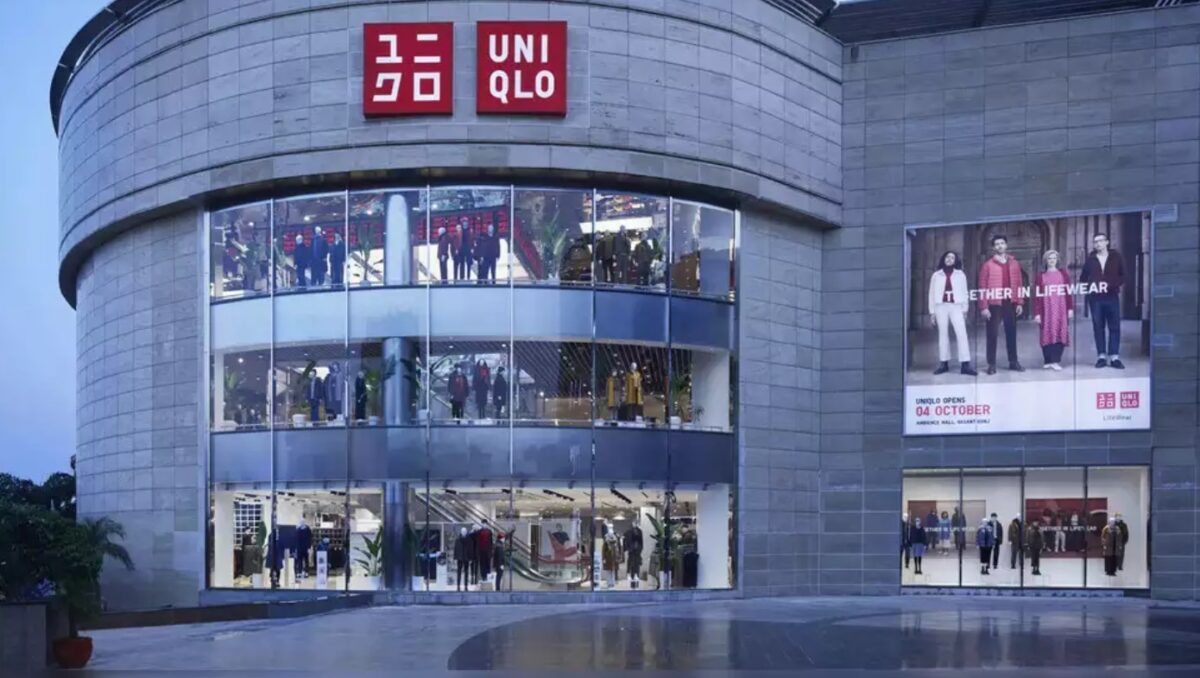
Around two years ago, when Delhi-based Debabrata Bhattacherjee decided to explore a new brand for casual wear, he decided to give Uniqlo a try. The 27-year-old was so impressed by the quality that he became a regular customer of the Japanese fashion brand that had set foot in India in 2019.
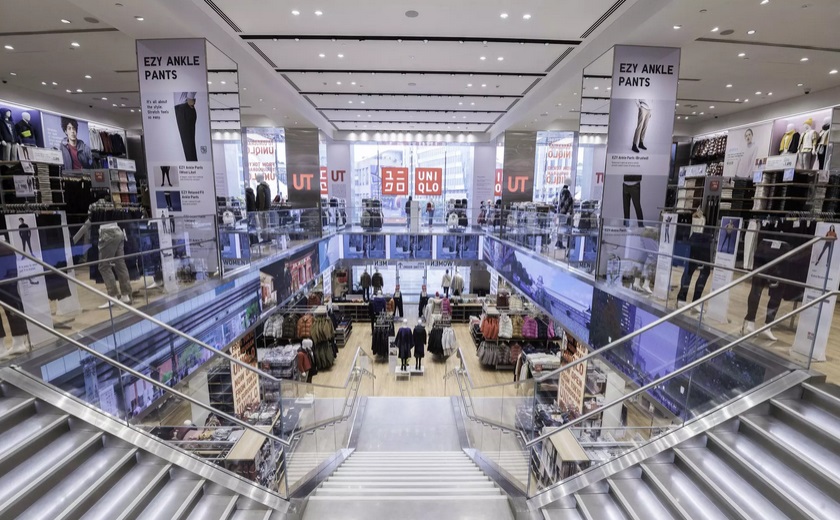
“What first attracted me was the convenient design of their store, which was very organised and clean. Very Japanese, to say! The shopping experience is very hassle-free and offers a lot of options. Their clothes are very comfortable and the quality is excellent,” said Bhattacherjee, a video producer. Though the brand is costlier than others, he is okay paying the premium.
Bhattacherjee is among the many Indians who have contributed to the rising sales of Uniqlo. Also known to be Asia’s biggest clothing brand, the Japanese company posted a 69% jump in sales in FY23 from FY22, with a net revenue of Rs 624.6 crore and a net profit of Rs 68.38 crore in India.
Uniqlo is among a bunch of Japanese and South Korean brands that have, in the past couple of years, been gaining more space in the lifestyle and beauty product shelves of Indians. Wacoal, MUJI, Innisfree, Sulwhasoo and Amorepacific have been witnessing a relatively quiet but consistent growth in sales in the country.
East Asian portfolio
Indian consumers are not new to the products from these countries. A popular example is automobiles: Suzuki, Hyundai, Toyota and Honda have made millions of Indians mobile. Now, fashion and lifestyle products from East Asia are also now becoming part of Indian households.
Anand Ramanathan, Partner and Leader-Consumer Products and Retail, Deloitte India, said this is because these brands have built a reputation for quality, design and durability — much like their peers in automobiles and engineering.
East Asian lifestyle and beauty brands initially had an influence in the Northeastern states, where the customers are not only ahead of the curve in fashionability but also found resonance with the look of these brands, said Devangshu Dutta, founder and CEO of management consulting firm Third Eyesight. “In due course, K-dramas and K-pop (Korean popular culture) has boosted their expansion across the country. Japan and Korea are highly developed beauty and skincare markets, with customers who are conscious both about their appearance, as well as about the products’ performance. These brands have established brand equity across markets on their quality, innovation, and product development,” he said.
Indians have been enjoying the “Korean wave” or Haalyu, which refers to the global popularity of Korean culture, music, movies, and TV dramas. Ramanathan pointed out that Korean has emerged as the most learnt language among the 13-22 age group in India. Apart from fashion, he said, the cultural impact can be seen in food and jewellery options of Indian Gen Z and millennials.
Well-travelled Indians who have been exposed to these brands find the pricing has “value” implicitly built in, Dutta added.
Companies from these countries also seem to find value in India. A 2023 survey by the Japan Bank for International Cooperation (JBIC) that collected responses from over 500 manufacturers in the island country showed that 48.6% of the companies considered India a key destination for medium-term business growth. Ramanthan cited a report by DPIIT that stated that since 2000, South Korea has invested $5.7 billion in India across various sectors. Recently, South Korea has invested $400 million in India during July 2022 to June 2023.
E-commerce is a driver
Another brand on this list is Japan-based Wacoal. The lingerie maker entered India in 2015 with its first store in Mumbai, and has posted an impressive 3X year-on-year increase over the last eight years, said Pooja Merani, COO of Wacoal India.
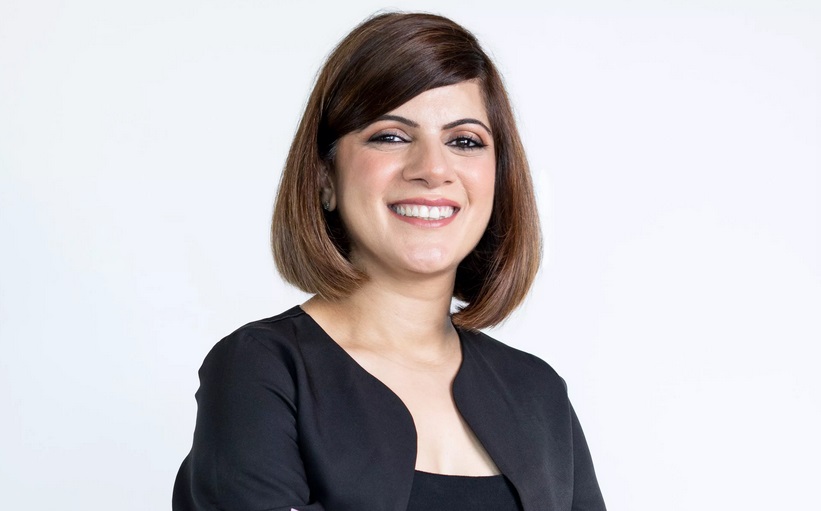
This was because its products have adapted designs that align with the preferences of the Indian market, demonstrating cultural sensitivity, she said. The company measures the physique of approximately 1,000 women and girls between the ages of 4 and 69 every year, said Merani. This has helped it make clothes that suit Indians well. “Prioritising fit and comfort in the offerings, and understanding the diverse body types in India, have likely contributed to customer satisfaction and loyalty,” she said.
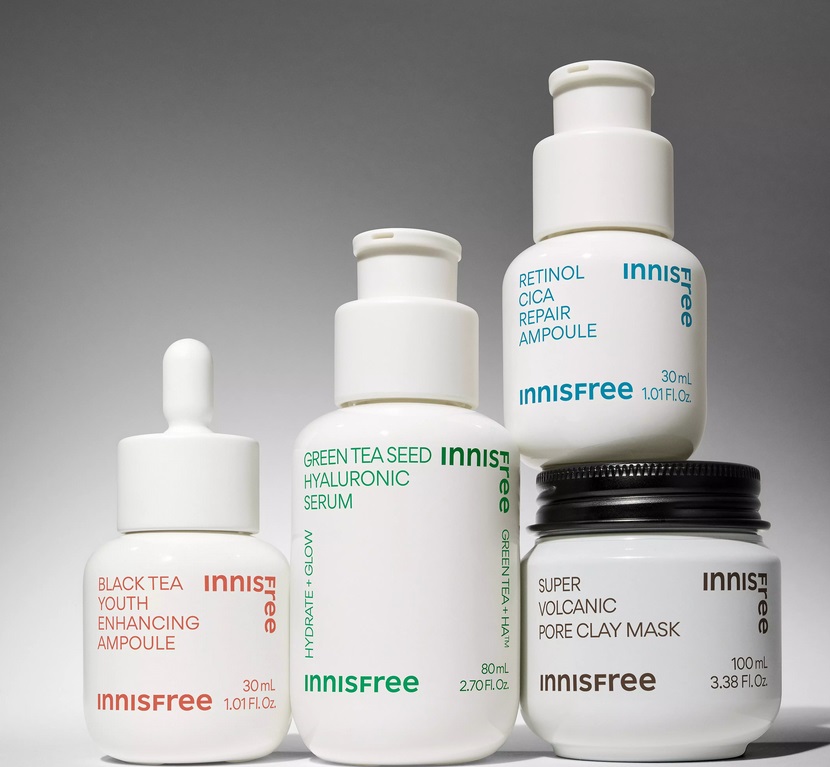
South Korean beauty firm Amorepacific, which is the parent company of popular cosmetic brands such as Innisfree and Sulwhasoo, said they are seeing traction in India as the beauty and wellness industry is experiencing robust growth. “There is an increasing awareness and emphasis on skincare, with consumers seeking effective and high-quality products. India has a large and youthful population, and the youth are often early adopters of beauty trends. Korean skincare products, with their trendy packaging, innovative formulations, and youthful image, can resonate well with this demographic,” said Mini Sood Banerjee, Assistant Director and Head of Marketing at Amorepacific Group.
The company had last year signed an agreement with Reliance Retail to sell through its online fashion platform, Tira. Banerjee said 80% of its sales are through e-commerce. “INNISFREE has been engaging with the Indian consumer much more rapidly in the online space.”
Uniqlo attributed its success to its blend of Japanese philosophy with Indian culture — the company started selling kurtas from 2019, when it had entered India through Delhi. A spokesperson credited the brand’s success to the 13 brick-and-mortar stores in India focussing on its “LifeWear” philosophy. “It is simple, high-quality, everyday clothing with a practical sense of beauty that is ingenious in detail. This approach originates from the Japanese values of simplicity, quality and longevity — and we have seen that Indians appreciate the high level of quality of our apparel,” the spokesperson said.
Making in India
These companies have also started production in India, a sign that they find the market promising.
Wacoal started its production in India last year, and is expanding into newer segments. The Uniqlo spokesperson said the company is on track to achieve 30% domestic sourcing. “We are actively growing local suppliers to deliver quality products for our customers. For example, we now work with 17 sewing factories and 6 fabric mills in India.”
Fashion, home textiles and other home products are potentially the first categories where manufacturing within India can be explored, said Third Eyesight’s Dutta. Brands with a large global footprint and established supply chains find it difficult to shift manufacturing bases.
“To make a shift to India, a substantial volume of demand needs to be generated within the country, and brands also need to be actively looking to diversify from their existing supply bases. Fashion brands and retailers with product lines that are relatively less technical or complex, or for which the size of economically viable production base is relatively small, are already looking at manufacturing more products and greater volumes in India,” he said.
Foreign brands have to find the product-market fit to be successful in a country. India being an ethnically diverse market, the product-market fit can be dissimilar across the country. Brands can be successful only if they can address specific segments and build the business accordingly, Dutta added.
Companies like Wacoal said they are mindful of the cultural challenges. Merani pointed out how the lingerie market is predominantly unorganised and has challenges such as limited awareness about proper sizing and cultural taboos. “Overcoming traditional industry norms and promoting accurate sizing awareness remains a persistent hurdle for us. Additionally, addressing diverse body types while ensuring top-notch quality further adds complexity,” she said.
‘Affluent India’
Despite the challenges and the steep pricing, experts said these brands are becoming popular as Indians have more disposable income.
According to a recent Goldman Sachs report that corroborated data using tax filings, bank deposits, credit cards and broadband connections, the affluent Indian consumer cohort has grown at a compound annual growth rate (CAGR) of over 12% in 2019-23, compared to 1% CAGR in India’s population. Rising retail participation has lifted India market cap over 80%, it pointed out. “The largest beneficiary of rising ‘affluent India’ are categories such as leisure, jewellery, out-of-home food and healthcare, and premium brands within all categories,” it added.
The willingness of Indian customers to pay a premium price for better quality products depends on factors such as product category, brand reputation, target demographic and economic conditions, said Amorepacific’s Sood.
For Japanese brands, the shift in India from electronics and automobiles to clothing and lifestyle is driven by strategic diversification and changing consumer trends. Japanese companies are leveraging globalisation and the increasing exposure of Indian consumers to international lifestyles, said Wacoal’s Merani.
“Economic factors, such as India’s growing middle-class population and economic growth, contribute to the attractiveness of the market. Thorough market research and understanding of local preferences, along with collaborations and partnerships, enable Japanese brands to align their products with the specific demands of the Indian consumer market. Overall, this shift reflects the adaptability and strategic decision-making of Japanese brands, indicating their confidence in the potential for success in diverse sectors beyond automobiles,” she said.
The Indian market still has legs.
The COO of Wacoal India said the lingerie market, for one, would grow by a CAGR of 9.3%, especially as more young women join the workforce.
India presents a great opportunity as a strong growing market. Even domestic brands are competing for “share-of-mind, shelf-space and share-of-wallet, and some larger Indian corporates are also backing their own brands and retail formats with strong investments,” added Third Eyesight’s Dutta.
If the Japanese and Korean brands want to survive, they would need to keep innovating and adapting to consumer preference. For Indians, meanwhile, it is “ache din” when it comes to shopping.
admin
October 26, 2023

Sagar Malviya, Economic Times
26 October 2023
Surging demand for fitness wear and sports equipment for disciplines other than cricket and football helped Decathlon’s India unit expand sales 37% to Rs 3,955 crore in FY23. With more than 100 large, warehouse-like stores selling products catering to 85 sporting disciplines, the French company is bigger than Adidas, Nike and Asics all put together in India.
In FY22, sales were Rs 2,936 crore, according to its latest filings with the Registrar of Companies. The retailer, however, posted a net loss of Rs 18.6 crore during the year ended March 2023 compared to a net profit of Rs 36 crore a year ago.
Experts said a host of factors – from pricing products about 30-40% lower than competing products to selling everything from running shoes, athleisure wear to mountaineering equipment under its own brands – has worked in its favour. “They have an extremely powerful format across different sporting activities and have something for both active and casual wear shoppers. For them, the market is still under penetrated with the kind of comprehensive product range they sell for outdoor sports beyond shoes and clothing,” said Devangshu Dutta, founder of retail consulting firm Third Eyesight. “Even their front end staff seem to have a strong domain knowledge about products compared to rival brands.”
By selling only private labels, Decathlon, the world’s biggest sporting goods firm, controls almost every bit of operations, from pricing and design to distribution, and keeps costs and selling prices low.
Decathlon uses a combination of in-house manufacturing and outsourcing to stock its shelves. In fact, it sources nearly 15% of its global requirement from India across sporting goods. And nearly all of its cricket merchandise sold globally is designed and made in India.
(Published in Economic Times)
