
admin
May 3, 2024

SAYAN CHAKRABORTY, Nikkei staff writer
Bengaluru, 2 May 2024
India’s packaged spice manufacturers MDH and Everest are under regulatory scrutiny in several countries after their products were allegedly found to contain carcinogenic elements, barely a year after cough syrups made in the South Asian nation were linked to the deaths of over 140 children in Africa.
Countries like Australia, New Zealand and the U.S. are weighing investigations into the packaged spices made by the companies after Hong Kong authorities raised a red flag over their quality. This isn’t the first time that the two — among the largest such companies in India — have faced these kinds of issues, with the U.S. Food and Drug Administration ordering a recall of Everest spice mixes in 2023 and some MDH products in 2019, both due to salmonella contamination.
The Centre for Food Safety (CFS) in Hong Kong said in a statement on April 5 that it found ethylene oxide (ETO), a pesticide that can cause cancer if consumed in large amounts, in three types of packaged spices manufactured by MDH and one made by Everest. The products were taken off the shelves and recalled, the CFS said.
Taking its cue from the Hong Kong authorities, the Singapore Food Agency (SFA) a couple of weeks later recalled the Everest Fish Curry Masala product, saying in a statement that consumers who had purchased it were “advised not to consume it.”
The SFA also said, “As the implicated products [in Hong Kong] were imported into Singapore, the SFA has directed the importer to recall the products.” The agency clarified that “although there is no immediate risk to consumption of food contaminated with low levels of ethylene oxide, long-term exposure may lead to health issues.”
India’s Spice Board, a government agency that oversees spice exports, said that the limit for ETO varies between countries, from 0.02 milligram per kilogram of spices in places like the U.K. and Norway to 7 milligram per kilogram in Canada and the U.S.
Pesticides are widely used in agriculture in India, often leaving traces in food products. According to Indian government estimates, the cultivated area where chemical pesticide is used grew 33.4% from the fiscal year ending March 2019 to fiscal 2023, reaching 108,216 hectares. That was about seven times the area cultivated with biopesticides in 2023.
“We tend to look critically at the end product, but even more rigor is needed at the level of the ingredients,” said Devangshu Dutta, CEO at consultancy firm Third Eyesight, referring to the use of pesticides in cultivation. “Otherwise, we will end up kind of catching the product at the last point of control, which is not enough.”
Hong Kong and Singapore did not disclose the amount of ETO content in the recalled products. MDH and Everest had not responded to requests for comment by the time of publication.
Authorities elsewhere have also taken note of the allegations. “Food Standards Australia New Zealand is working with our international counterparts to understand the issue with federal, state and territory food enforcement agencies to determine if further action is required in Australia, e.g., a food recall,” the agency told Nikkei Asia in an email statement on Wednesday.
The regulatory scrutiny in the U.S., Australia, New Zealand, Hong Kong and Singapore, raises questions over an export market worth about $700 million, research firm Global Trade Research Initiative (GTRI) said in a report on Wednesday.
“Swift investigations and the publication of findings are essential to re-establish global trust in Indian spices,” GTRI said, adding that the “lack of clear communication [from government agencies] is disappointing.”
Indian food has been under scrutiny in Europe as well. The European Commission Rapid Alert System for Food and Feed estimates that since the beginning of 2023, Indian food products were deemed to pose “serious” risks in 166 instances. These included nine cases of ethylene oxide found in food supplements and spices in countries including Sweden, Greece and Italy.
Chinese food imports were found to pose serious risks on 115 occasions and those from the U.S. on 152 occasions.
The recalls come at a time when New Delhi is rolling out incentives to support local manufacturers and exporters in transforming India into a $5 trillion economy. India is the world’s largest exporter of spices with shipments worth $3.9 billion in 2023, followed by Vietnam and Mexico, according to data provider Tendata. Those figures give India a market share of 37.2%, with Vietnam at 28.1% and Mexico at 9.6%.
The issue with food products follows an outcry over the quality of medicines manufactured in India. Since 2022, the World Health Organization has linked the deaths of at least 141 children in Gambia, Uzbekistan and Cameroon to cough syrups made by India’s Maiden Pharmaceuticals, Marion Biotech and Riemann Labs that it alleged contained toxins.
But while the pharma companies are small local players, MDH and Everest made revenues of $260 million and $360 million respectively, in the fiscal year ended March 2023.
Poor food quality in India stems from a general lack of awareness about food safety and insufficient resources to track ingredients, among other reasons, said U.S.-based food and beverage consultancy AIB International in a report in October.
The Food Safety and Standards Authority of India found 16,582 samples unsafe in the fiscal year 2022, the latest such data available. That was a threefold jump from the previous year.
“Most of the food and beverage manufacturers in India are focused on reducing costs to make their product affordable to the public,” the report said. “As a result, many cannot prioritize food safety as a pillar of their business because it could prevent them from meeting their profit margins.”
“Food manufacturing and processing facilities can lack the resources to maintain proper hygiene,” it noted, adding that food-borne illnesses in India is estimated to top 100 million every year.
(Published on Nikkei)
admin
April 15, 2024

Sagar Malviya, Economic Times
Mumbai, 15 April 2024
Spanish fashion company Inditex said it will launch youth clothing brand Bershka and Zara Home in India this year.
“Bershka will open its first store in Mumbai Palladium, and Zara Home will open in Bangalore,” it said in its latest annual report.
Inditex had launched fast fashion brand Zara in 2010 and premium clothing brand Massimo Dutti eight years ago. Its new offering, Bershka, will pitch it directly against Reliance Retail’s Yousta, which too targets the younger consumer segment.
Being the world’s second most-populous country, India is an attractive market for apparel brands, especially with youngsters increasingly embracing Western-style clothing. Fast fashion brands such as Zara and H&M became runaway successes soon after they entered the country.
Experts said Bershka’s target consumer profile is mostly teens to mid-20s, slightly younger than that of Zara, which is pitched at 20-40-year-old fashion-driven customers.
“The product assortment is different, with a higher share of knits, fewer dresses and more casual overall compared to Zara, keeping in line with the lifestyles of the customer group. So in that sense it wouldn’t cannibalise Zara in any serious way, though some of the younger set among Zara buyers could migrate some of their purchases to Bershka,” said Devangshu Dutta, founder of retail consulting firm Third Eyesight. “The biggest question is, can they hit the price points that young Indian fashion consumers want as with domestic brands such as Zudio, Yousta and others, or will consumers overlook higher prices for the style mix and a European brand pull in significant numbers to make the brand viable.”
According to a recent report by Motilal Oswal, the ₹2.5 lakh crore value fashion segment accounts for 57% of the total apparel market and is one of the largest and fastest-growing segments. A substantial untapped opportunity beyond the metros and tier-1 cities, driven by better demographics, higher incomes and greater customer aspiration, has compelled several big players to enter a market that was previously dominated by regional and local operators.
Since its inception in 2016-17, Zudio has seen considerable expansion and reached nearly 400 standalone stores, outpacing most apparel brands primarily due to its competitively priced products with an average selling price of ₹300. Following the success of Zudio, a unit of the Tata Group’s Trent, the segment has seen the entry of national retailers in the affordable youth clothing segment such as Yousta by Reliance Retail, Style-Up by Aditya Birla Fashion and Retail and Shoppers Stop’s InTune.
(Published in Economic Times)
admin
February 21, 2024
The ability of fashion businesses to endure and thrive in the face of stiff competition and changing market dynamics is all about adapting to innovation, customer-centricity, and strategic planning. The correlation between high performing fashion business and product innovation is undeniable.
This panel discussion brings Design and Business Heads together to brainstorm on how fashion companies can devise strategies to drive innovation to remain competitive, meet evolving consumer expectations, and stay ahead of the race.
Moderator: Devangshu Dutta, Founder & Chief Executive, Third Eyesight
Panelists:
admin
February 21, 2024
Published in ETPrime, 21 February 2024
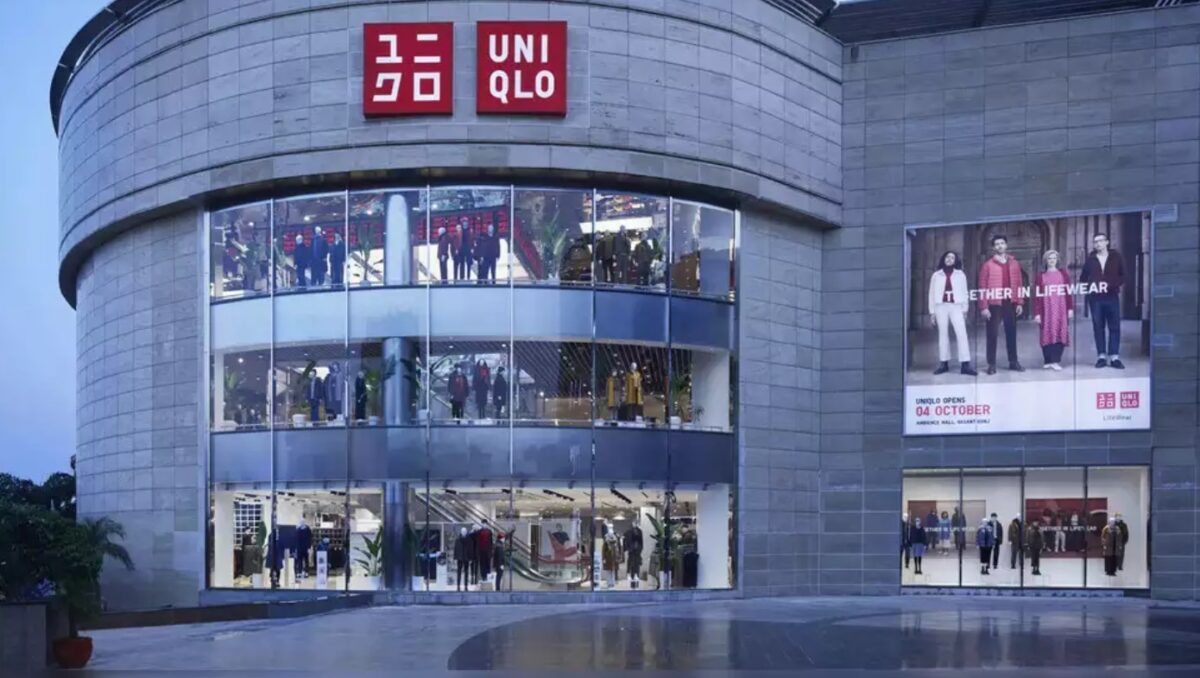
Around two years ago, when Delhi-based Debabrata Bhattacherjee decided to explore a new brand for casual wear, he decided to give Uniqlo a try. The 27-year-old was so impressed by the quality that he became a regular customer of the Japanese fashion brand that had set foot in India in 2019.
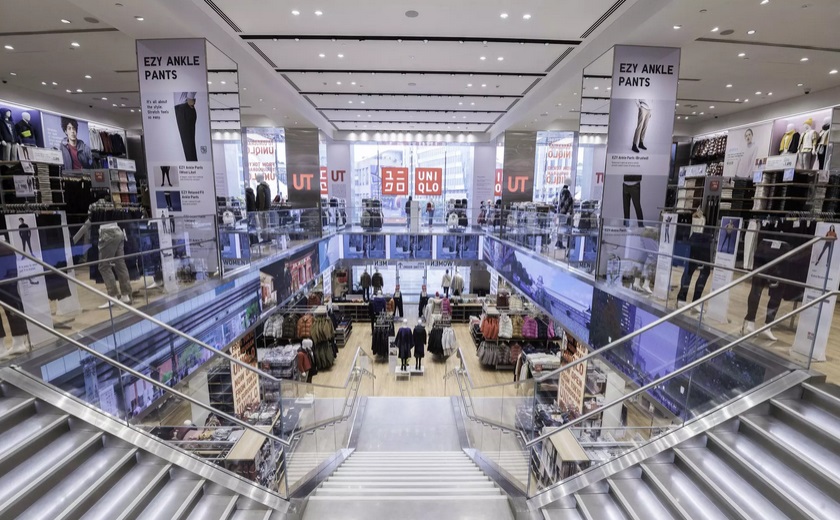
“What first attracted me was the convenient design of their store, which was very organised and clean. Very Japanese, to say! The shopping experience is very hassle-free and offers a lot of options. Their clothes are very comfortable and the quality is excellent,” said Bhattacherjee, a video producer. Though the brand is costlier than others, he is okay paying the premium.
Bhattacherjee is among the many Indians who have contributed to the rising sales of Uniqlo. Also known to be Asia’s biggest clothing brand, the Japanese company posted a 69% jump in sales in FY23 from FY22, with a net revenue of Rs 624.6 crore and a net profit of Rs 68.38 crore in India.
Uniqlo is among a bunch of Japanese and South Korean brands that have, in the past couple of years, been gaining more space in the lifestyle and beauty product shelves of Indians. Wacoal, MUJI, Innisfree, Sulwhasoo and Amorepacific have been witnessing a relatively quiet but consistent growth in sales in the country.
East Asian portfolio
Indian consumers are not new to the products from these countries. A popular example is automobiles: Suzuki, Hyundai, Toyota and Honda have made millions of Indians mobile. Now, fashion and lifestyle products from East Asia are also now becoming part of Indian households.
Anand Ramanathan, Partner and Leader-Consumer Products and Retail, Deloitte India, said this is because these brands have built a reputation for quality, design and durability — much like their peers in automobiles and engineering.
East Asian lifestyle and beauty brands initially had an influence in the Northeastern states, where the customers are not only ahead of the curve in fashionability but also found resonance with the look of these brands, said Devangshu Dutta, founder and CEO of management consulting firm Third Eyesight. “In due course, K-dramas and K-pop (Korean popular culture) has boosted their expansion across the country. Japan and Korea are highly developed beauty and skincare markets, with customers who are conscious both about their appearance, as well as about the products’ performance. These brands have established brand equity across markets on their quality, innovation, and product development,” he said.
Indians have been enjoying the “Korean wave” or Haalyu, which refers to the global popularity of Korean culture, music, movies, and TV dramas. Ramanathan pointed out that Korean has emerged as the most learnt language among the 13-22 age group in India. Apart from fashion, he said, the cultural impact can be seen in food and jewellery options of Indian Gen Z and millennials.
Well-travelled Indians who have been exposed to these brands find the pricing has “value” implicitly built in, Dutta added.
Companies from these countries also seem to find value in India. A 2023 survey by the Japan Bank for International Cooperation (JBIC) that collected responses from over 500 manufacturers in the island country showed that 48.6% of the companies considered India a key destination for medium-term business growth. Ramanthan cited a report by DPIIT that stated that since 2000, South Korea has invested $5.7 billion in India across various sectors. Recently, South Korea has invested $400 million in India during July 2022 to June 2023.
E-commerce is a driver
Another brand on this list is Japan-based Wacoal. The lingerie maker entered India in 2015 with its first store in Mumbai, and has posted an impressive 3X year-on-year increase over the last eight years, said Pooja Merani, COO of Wacoal India.
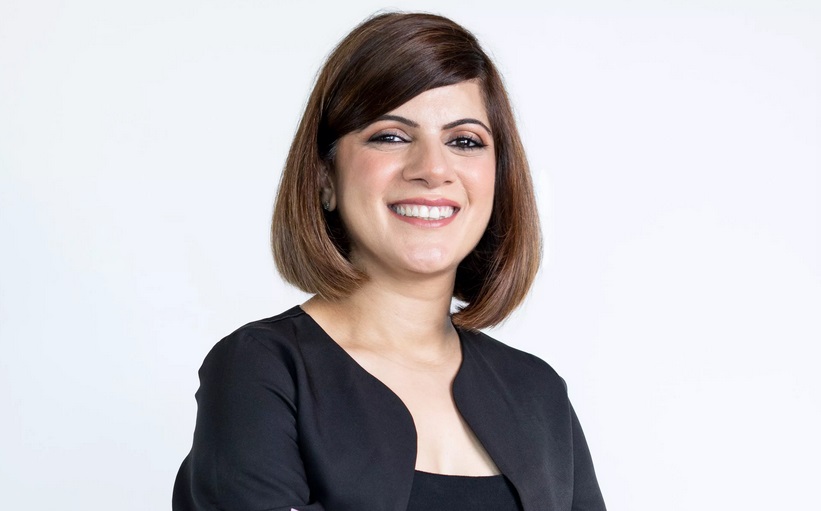
This was because its products have adapted designs that align with the preferences of the Indian market, demonstrating cultural sensitivity, she said. The company measures the physique of approximately 1,000 women and girls between the ages of 4 and 69 every year, said Merani. This has helped it make clothes that suit Indians well. “Prioritising fit and comfort in the offerings, and understanding the diverse body types in India, have likely contributed to customer satisfaction and loyalty,” she said.
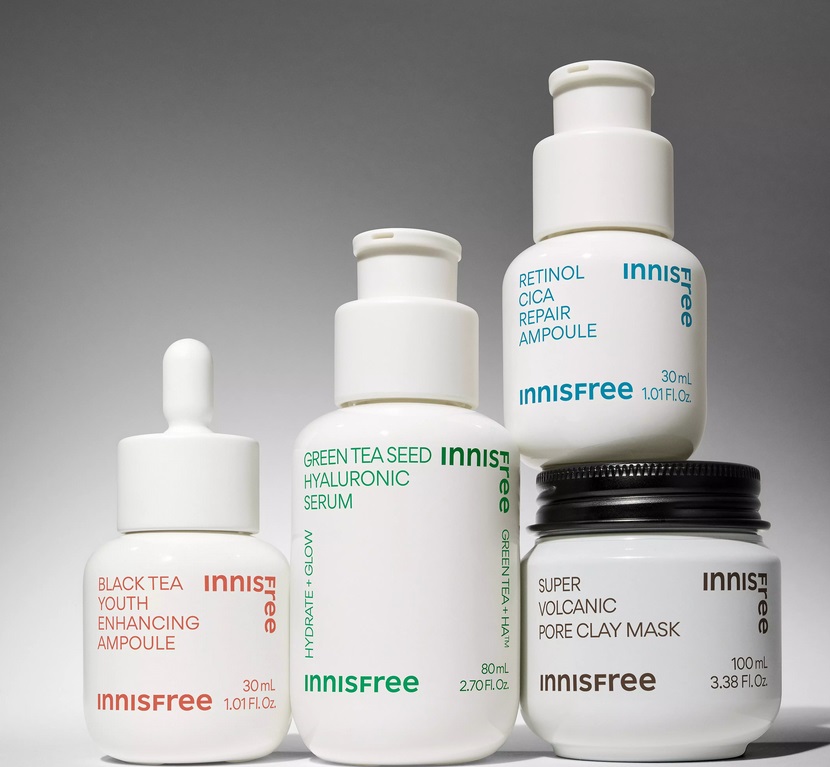
South Korean beauty firm Amorepacific, which is the parent company of popular cosmetic brands such as Innisfree and Sulwhasoo, said they are seeing traction in India as the beauty and wellness industry is experiencing robust growth. “There is an increasing awareness and emphasis on skincare, with consumers seeking effective and high-quality products. India has a large and youthful population, and the youth are often early adopters of beauty trends. Korean skincare products, with their trendy packaging, innovative formulations, and youthful image, can resonate well with this demographic,” said Mini Sood Banerjee, Assistant Director and Head of Marketing at Amorepacific Group.
The company had last year signed an agreement with Reliance Retail to sell through its online fashion platform, Tira. Banerjee said 80% of its sales are through e-commerce. “INNISFREE has been engaging with the Indian consumer much more rapidly in the online space.”
Uniqlo attributed its success to its blend of Japanese philosophy with Indian culture — the company started selling kurtas from 2019, when it had entered India through Delhi. A spokesperson credited the brand’s success to the 13 brick-and-mortar stores in India focussing on its “LifeWear” philosophy. “It is simple, high-quality, everyday clothing with a practical sense of beauty that is ingenious in detail. This approach originates from the Japanese values of simplicity, quality and longevity — and we have seen that Indians appreciate the high level of quality of our apparel,” the spokesperson said.
Making in India
These companies have also started production in India, a sign that they find the market promising.
Wacoal started its production in India last year, and is expanding into newer segments. The Uniqlo spokesperson said the company is on track to achieve 30% domestic sourcing. “We are actively growing local suppliers to deliver quality products for our customers. For example, we now work with 17 sewing factories and 6 fabric mills in India.”
Fashion, home textiles and other home products are potentially the first categories where manufacturing within India can be explored, said Third Eyesight’s Dutta. Brands with a large global footprint and established supply chains find it difficult to shift manufacturing bases.
“To make a shift to India, a substantial volume of demand needs to be generated within the country, and brands also need to be actively looking to diversify from their existing supply bases. Fashion brands and retailers with product lines that are relatively less technical or complex, or for which the size of economically viable production base is relatively small, are already looking at manufacturing more products and greater volumes in India,” he said.
Foreign brands have to find the product-market fit to be successful in a country. India being an ethnically diverse market, the product-market fit can be dissimilar across the country. Brands can be successful only if they can address specific segments and build the business accordingly, Dutta added.
Companies like Wacoal said they are mindful of the cultural challenges. Merani pointed out how the lingerie market is predominantly unorganised and has challenges such as limited awareness about proper sizing and cultural taboos. “Overcoming traditional industry norms and promoting accurate sizing awareness remains a persistent hurdle for us. Additionally, addressing diverse body types while ensuring top-notch quality further adds complexity,” she said.
‘Affluent India’
Despite the challenges and the steep pricing, experts said these brands are becoming popular as Indians have more disposable income.
According to a recent Goldman Sachs report that corroborated data using tax filings, bank deposits, credit cards and broadband connections, the affluent Indian consumer cohort has grown at a compound annual growth rate (CAGR) of over 12% in 2019-23, compared to 1% CAGR in India’s population. Rising retail participation has lifted India market cap over 80%, it pointed out. “The largest beneficiary of rising ‘affluent India’ are categories such as leisure, jewellery, out-of-home food and healthcare, and premium brands within all categories,” it added.
The willingness of Indian customers to pay a premium price for better quality products depends on factors such as product category, brand reputation, target demographic and economic conditions, said Amorepacific’s Sood.
For Japanese brands, the shift in India from electronics and automobiles to clothing and lifestyle is driven by strategic diversification and changing consumer trends. Japanese companies are leveraging globalisation and the increasing exposure of Indian consumers to international lifestyles, said Wacoal’s Merani.
“Economic factors, such as India’s growing middle-class population and economic growth, contribute to the attractiveness of the market. Thorough market research and understanding of local preferences, along with collaborations and partnerships, enable Japanese brands to align their products with the specific demands of the Indian consumer market. Overall, this shift reflects the adaptability and strategic decision-making of Japanese brands, indicating their confidence in the potential for success in diverse sectors beyond automobiles,” she said.
The Indian market still has legs.
The COO of Wacoal India said the lingerie market, for one, would grow by a CAGR of 9.3%, especially as more young women join the workforce.
India presents a great opportunity as a strong growing market. Even domestic brands are competing for “share-of-mind, shelf-space and share-of-wallet, and some larger Indian corporates are also backing their own brands and retail formats with strong investments,” added Third Eyesight’s Dutta.
If the Japanese and Korean brands want to survive, they would need to keep innovating and adapting to consumer preference. For Indians, meanwhile, it is “ache din” when it comes to shopping.
admin
January 8, 2024
Yash Bhatia, Afaqs
8 January 2024
In the 10th episode of Zerodha co-founder Nikhil Kamath’s YouTube podcast series, WTF, Aadit Palicha, co-founder, Zepto, says that consumer goods are the fastest-growing category for its quick commerce business. Initially, quick commerce brands just focussed on serving impulse grocery needs, but now they have changed their way to serve regular planned purchases too.
Major players like Zepto, Blinkit, Swiggy Instamart, and BBNow are expanding their offerings in gifting, makeup, ready-to-eat, baby care, pet care, meat, poultry and more to cater to a wider range of consumer needs and preferences.
Through our interviews with brands like Bombay Shaving Company, Bevzilla and Plum, it is evident that Q-comm business contributes approximately 10-25% of online revenue for different brands.
Also, according to a report by Redseer, the Q-comm market is expected to reach almost $5.5 billion by 2025. The report highlights, that these platforms can up their game by going beyond just grocery and extend their offerings to other consumables, electronics, newspapers and more.
It shows that quick commerce players would focus on other categories to reach this milestone. But, are brands ready for it? If yes, how is their strategy different for this model?
Aditi Handa, co-founder of The Baker’s Dozen, an artisanal bakery, states, “In our category, once the customers figure out a product in the physical store, then they tend to buy again on the quick commerce platforms rather than visiting a store. It works well in our category, as there is no need to touch and feel the product.”
Baker’s Dozen makes 60-65% of its online sales on Q-comm platforms.
Devangshu Dutta, founder of Third Eyesight says that quick commerce has spread across various product categories and he believes, “It is driven more by buzz than customer needs. Unless we meet a core demand with a large consumer market, there’s no sustained road to profit.”
Deepti Karthik, fractional CMO, SuperBottoms, says, “In the diaper category, there are a lot of unplanned purchases. We target customers who’re buying other products, and eventually get trails from them.”
She points out that a lot of gifting happens in the quick commerce segment. “Gift packs can be a great solution our brand can leverage.”
She predicts that for the baby-care brand, quick commerce will contribute 3-5% of overall revenue, led by gifting as a category.
Apart from the reduced delivery time, is there a reason that customers are opting to shop on quick commerce platforms?
Handa answers that two factors work in favour of Q-comm platforms: discounts and convenience. “As these players are expanding their portfolio, customers will find more reasons to go on these apps.”
Is the quick commerce business driven by celebrations?
India is renowned for its diverse festivities. Quick commerce platforms capitalise on this by selling event-related or topical assortments. For instance, they offer flutes for Krishna Jayanti, Ganesha idols for Ganesh Chaturthi, Christmas decorations for the holiday, decorative items for Diwali, and gold and silver coins for Dhanteras.
These platforms are also curating special web and app pages for such occasions, even for regional festivals like Chauth Puja. In 2023, Blinkit curated a specific page dedicated to the wedding season.
Karthik states, “The major business of this sector is driven by consumables and FMCG products. On special occasions, e-commerce brands used to curate specific products, which Q-commerce is now doing. The market share of the other modes is now being taken by the quick commerce players on festivals. That’s why every e-commerce is looking to launch its version of Q-commerce, like Amazon Fresh by Amazon, and BBnow by Big Basket.”
Handa believes differently and states that quick commerce is not taking up the market share of any other modes. “Currently we’re buying more than what we need. Quick commerce is creating some new markets, and people are spending more money as it is easy to spend now.”
Will Q-commerce take over e-commerce?
As the country embraces digital commerce, the battle between e-commerce and Q-commerce is intensifying. While e-commerce has a well-established presence with a vast user base, Q-commerce offers unmatched speed and efficiency. As Q-commerce players foray into other categories, will they take over e-commerce?
Ritesh Ghosal, former chief of marketing at Croma believes that Q-comm will not replace e-commerce. He says that Q-commerce will only be a successful mode for urgently needed products like trimmers, headphones etc.
Handa predicts, “In our category, Q-commerce will replace e-commerce purely based on better service. The only advantage that e-commerce holds is a variety of stock keeping units (SKUs). Like, some products will have a presence in e-commerce only like English Cheddar cheese, it will not be there in Q-comm, a customer can only get it through e-commerce.”
She says that quick commerce also provides a fast way to experiment with new products.
Kartik, says e-commerce will always be at the main stage for the brand and believes Q-commerce will be an incremental business for them.
She has observed that in quick commerce if a product gets listed, it starts to sell faster and gets a quick start as compared to the e-commerce route.
Challenges
While the benefits of quick commerce are evident for customers, these players in the backend face a lot of challenges including warehousing, labour expenses, and, most importantly, the orders are low-value, therefore the margins are less.
Balasubramanian Narayanan, vice president, of Teamlease services points out that the consumer preferences and buying patterns in the quick commerce segment evolve rapidly, making data collection and analysis a crucial aspect.
“Balancing data collection with user privacy is a key challenge. The data insights can help to create personalised experiences, predict demands, and improve operational efficiency. But this can be a challenge in this mode.”
Handa says in quick commerce, the biggest challenge is the stock keeping unit (SKU) mix, SKU selection is critical.
“Brands like Amazon, and Flipkart allow a plethora of SKUs, while quick commerce just allows a limited number, due to limitation of warehouse space and delivery time. The SKU selection by the brand becomes a critical aspect.”
In the physical realm, shelf presence plays an important role in reaching customers, in the online world, optimising the online presence is crucial to get the customers’ attention. She highlights that in quick commerce, the fight is to be at the top of the search bar.
“To be at the top, the brand should generate organic sales, secondly it’s about keyword bidding. A keyword that would search customers to find the product from the brand. The brand pays quick commerce players for this.”
Ghosal also agrees with this and states, “In the Q-commerce arena, most searches are by category rather than by brand. The brands have to tick more boxes in terms of categories/searches so that customers tend to look at them.”
(With additional inputs: Ruchika Jha)
(Published in Afaqs)
