
admin
April 15, 2024

Sagar Malviya, Economic Times
Mumbai, 15 April 2024
Spanish fashion company Inditex said it will launch youth clothing brand Bershka and Zara Home in India this year.
“Bershka will open its first store in Mumbai Palladium, and Zara Home will open in Bangalore,” it said in its latest annual report.
Inditex had launched fast fashion brand Zara in 2010 and premium clothing brand Massimo Dutti eight years ago. Its new offering, Bershka, will pitch it directly against Reliance Retail’s Yousta, which too targets the younger consumer segment.
Being the world’s second most-populous country, India is an attractive market for apparel brands, especially with youngsters increasingly embracing Western-style clothing. Fast fashion brands such as Zara and H&M became runaway successes soon after they entered the country.
Experts said Bershka’s target consumer profile is mostly teens to mid-20s, slightly younger than that of Zara, which is pitched at 20-40-year-old fashion-driven customers.
“The product assortment is different, with a higher share of knits, fewer dresses and more casual overall compared to Zara, keeping in line with the lifestyles of the customer group. So in that sense it wouldn’t cannibalise Zara in any serious way, though some of the younger set among Zara buyers could migrate some of their purchases to Bershka,” said Devangshu Dutta, founder of retail consulting firm Third Eyesight. “The biggest question is, can they hit the price points that young Indian fashion consumers want as with domestic brands such as Zudio, Yousta and others, or will consumers overlook higher prices for the style mix and a European brand pull in significant numbers to make the brand viable.”
According to a recent report by Motilal Oswal, the ₹2.5 lakh crore value fashion segment accounts for 57% of the total apparel market and is one of the largest and fastest-growing segments. A substantial untapped opportunity beyond the metros and tier-1 cities, driven by better demographics, higher incomes and greater customer aspiration, has compelled several big players to enter a market that was previously dominated by regional and local operators.
Since its inception in 2016-17, Zudio has seen considerable expansion and reached nearly 400 standalone stores, outpacing most apparel brands primarily due to its competitively priced products with an average selling price of ₹300. Following the success of Zudio, a unit of the Tata Group’s Trent, the segment has seen the entry of national retailers in the affordable youth clothing segment such as Yousta by Reliance Retail, Style-Up by Aditya Birla Fashion and Retail and Shoppers Stop’s InTune.
(Published in Economic Times)
admin
February 21, 2024
The ability of fashion businesses to endure and thrive in the face of stiff competition and changing market dynamics is all about adapting to innovation, customer-centricity, and strategic planning. The correlation between high performing fashion business and product innovation is undeniable.
This panel discussion brings Design and Business Heads together to brainstorm on how fashion companies can devise strategies to drive innovation to remain competitive, meet evolving consumer expectations, and stay ahead of the race.
Moderator: Devangshu Dutta, Founder & Chief Executive, Third Eyesight
Panelists:
admin
February 21, 2024
Published in ETPrime, 21 February 2024
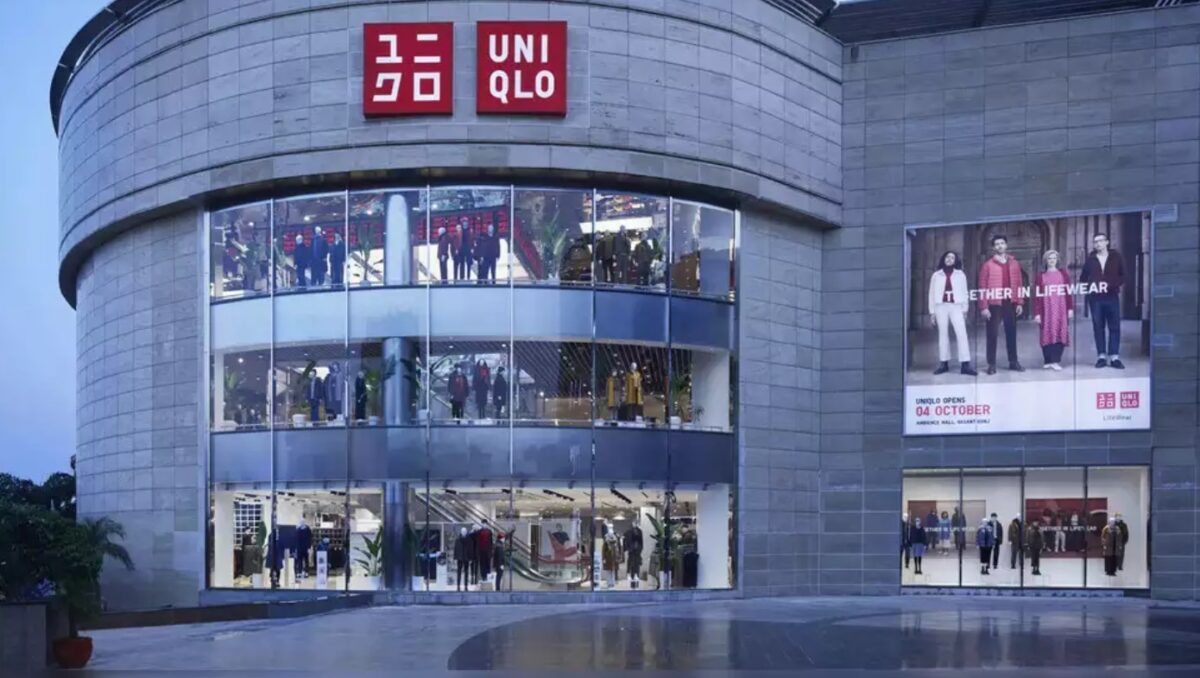
Around two years ago, when Delhi-based Debabrata Bhattacherjee decided to explore a new brand for casual wear, he decided to give Uniqlo a try. The 27-year-old was so impressed by the quality that he became a regular customer of the Japanese fashion brand that had set foot in India in 2019.
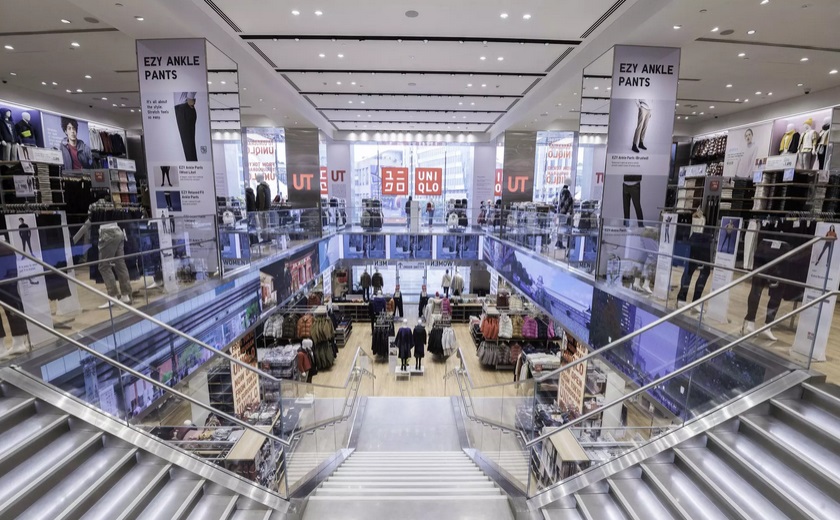
“What first attracted me was the convenient design of their store, which was very organised and clean. Very Japanese, to say! The shopping experience is very hassle-free and offers a lot of options. Their clothes are very comfortable and the quality is excellent,” said Bhattacherjee, a video producer. Though the brand is costlier than others, he is okay paying the premium.
Bhattacherjee is among the many Indians who have contributed to the rising sales of Uniqlo. Also known to be Asia’s biggest clothing brand, the Japanese company posted a 69% jump in sales in FY23 from FY22, with a net revenue of Rs 624.6 crore and a net profit of Rs 68.38 crore in India.
Uniqlo is among a bunch of Japanese and South Korean brands that have, in the past couple of years, been gaining more space in the lifestyle and beauty product shelves of Indians. Wacoal, MUJI, Innisfree, Sulwhasoo and Amorepacific have been witnessing a relatively quiet but consistent growth in sales in the country.
East Asian portfolio
Indian consumers are not new to the products from these countries. A popular example is automobiles: Suzuki, Hyundai, Toyota and Honda have made millions of Indians mobile. Now, fashion and lifestyle products from East Asia are also now becoming part of Indian households.
Anand Ramanathan, Partner and Leader-Consumer Products and Retail, Deloitte India, said this is because these brands have built a reputation for quality, design and durability — much like their peers in automobiles and engineering.
East Asian lifestyle and beauty brands initially had an influence in the Northeastern states, where the customers are not only ahead of the curve in fashionability but also found resonance with the look of these brands, said Devangshu Dutta, founder and CEO of management consulting firm Third Eyesight. “In due course, K-dramas and K-pop (Korean popular culture) has boosted their expansion across the country. Japan and Korea are highly developed beauty and skincare markets, with customers who are conscious both about their appearance, as well as about the products’ performance. These brands have established brand equity across markets on their quality, innovation, and product development,” he said.
Indians have been enjoying the “Korean wave” or Haalyu, which refers to the global popularity of Korean culture, music, movies, and TV dramas. Ramanathan pointed out that Korean has emerged as the most learnt language among the 13-22 age group in India. Apart from fashion, he said, the cultural impact can be seen in food and jewellery options of Indian Gen Z and millennials.
Well-travelled Indians who have been exposed to these brands find the pricing has “value” implicitly built in, Dutta added.
Companies from these countries also seem to find value in India. A 2023 survey by the Japan Bank for International Cooperation (JBIC) that collected responses from over 500 manufacturers in the island country showed that 48.6% of the companies considered India a key destination for medium-term business growth. Ramanthan cited a report by DPIIT that stated that since 2000, South Korea has invested $5.7 billion in India across various sectors. Recently, South Korea has invested $400 million in India during July 2022 to June 2023.
E-commerce is a driver
Another brand on this list is Japan-based Wacoal. The lingerie maker entered India in 2015 with its first store in Mumbai, and has posted an impressive 3X year-on-year increase over the last eight years, said Pooja Merani, COO of Wacoal India.
This was because its products have adapted designs that align with the preferences of the Indian market, demonstrating cultural sensitivity, she said. The company measures the physique of approximately 1,000 women and girls between the ages of 4 and 69 every year, said Merani. This has helped it make clothes that suit Indians well. “Prioritising fit and comfort in the offerings, and understanding the diverse body types in India, have likely contributed to customer satisfaction and loyalty,” she said.
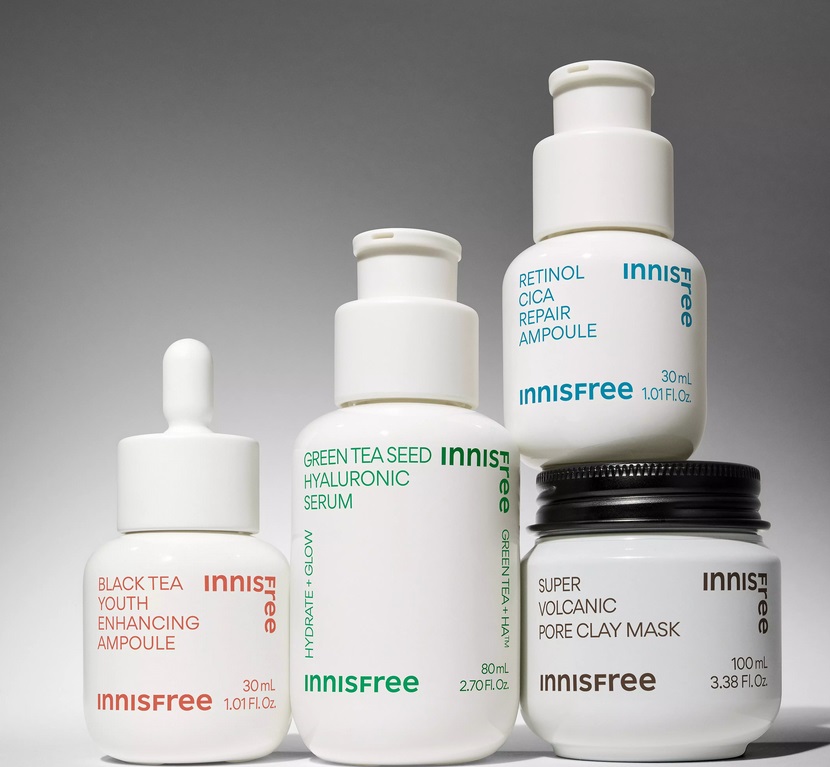
South Korean beauty firm Amorepacific, which is the parent company of popular cosmetic brands such as Innisfree and Sulwhasoo, said they are seeing traction in India as the beauty and wellness industry is experiencing robust growth. “There is an increasing awareness and emphasis on skincare, with consumers seeking effective and high-quality products. India has a large and youthful population, and the youth are often early adopters of beauty trends. Korean skincare products, with their trendy packaging, innovative formulations, and youthful image, can resonate well with this demographic,” said Mini Sood Banerjee, Assistant Director and Head of Marketing at Amorepacific Group.
The company had last year signed an agreement with Reliance Retail to sell through its online fashion platform, Tira. Banerjee said 80% of its sales are through e-commerce. “INNISFREE has been engaging with the Indian consumer much more rapidly in the online space.”
Uniqlo attributed its success to its blend of Japanese philosophy with Indian culture — the company started selling kurtas from 2019, when it had entered India through Delhi. A spokesperson credited the brand’s success to the 13 brick-and-mortar stores in India focussing on its “LifeWear” philosophy. “It is simple, high-quality, everyday clothing with a practical sense of beauty that is ingenious in detail. This approach originates from the Japanese values of simplicity, quality and longevity — and we have seen that Indians appreciate the high level of quality of our apparel,” the spokesperson said.
Making in India
These companies have also started production in India, a sign that they find the market promising.
Wacoal started its production in India last year, and is expanding into newer segments. The Uniqlo spokesperson said the company is on track to achieve 30% domestic sourcing. “We are actively growing local suppliers to deliver quality products for our customers. For example, we now work with 17 sewing factories and 6 fabric mills in India.”
Fashion, home textiles and other home products are potentially the first categories where manufacturing within India can be explored, said Third Eyesight’s Dutta. Brands with a large global footprint and established supply chains find it difficult to shift manufacturing bases.
“To make a shift to India, a substantial volume of demand needs to be generated within the country, and brands also need to be actively looking to diversify from their existing supply bases. Fashion brands and retailers with product lines that are relatively less technical or complex, or for which the size of economically viable production base is relatively small, are already looking at manufacturing more products and greater volumes in India,” he said.
Foreign brands have to find the product-market fit to be successful in a country. India being an ethnically diverse market, the product-market fit can be dissimilar across the country. Brands can be successful only if they can address specific segments and build the business accordingly, Dutta added.
Companies like Wacoal said they are mindful of the cultural challenges. Merani pointed out how the lingerie market is predominantly unorganised and has challenges such as limited awareness about proper sizing and cultural taboos. “Overcoming traditional industry norms and promoting accurate sizing awareness remains a persistent hurdle for us. Additionally, addressing diverse body types while ensuring top-notch quality further adds complexity,” she said.
‘Affluent India’
Despite the challenges and the steep pricing, experts said these brands are becoming popular as Indians have more disposable income.
According to a recent Goldman Sachs report that corroborated data using tax filings, bank deposits, credit cards and broadband connections, the affluent Indian consumer cohort has grown at a compound annual growth rate (CAGR) of over 12% in 2019-23, compared to 1% CAGR in India’s population. Rising retail participation has lifted India market cap over 80%, it pointed out. “The largest beneficiary of rising ‘affluent India’ are categories such as leisure, jewellery, out-of-home food and healthcare, and premium brands within all categories,” it added.
The willingness of Indian customers to pay a premium price for better quality products depends on factors such as product category, brand reputation, target demographic and economic conditions, said Amorepacific’s Sood.
For Japanese brands, the shift in India from electronics and automobiles to clothing and lifestyle is driven by strategic diversification and changing consumer trends. Japanese companies are leveraging globalisation and the increasing exposure of Indian consumers to international lifestyles, said Wacoal’s Merani.
“Economic factors, such as India’s growing middle-class population and economic growth, contribute to the attractiveness of the market. Thorough market research and understanding of local preferences, along with collaborations and partnerships, enable Japanese brands to align their products with the specific demands of the Indian consumer market. Overall, this shift reflects the adaptability and strategic decision-making of Japanese brands, indicating their confidence in the potential for success in diverse sectors beyond automobiles,” she said.
The Indian market still has legs.
The COO of Wacoal India said the lingerie market, for one, would grow by a CAGR of 9.3%, especially as more young women join the workforce.
India presents a great opportunity as a strong growing market. Even domestic brands are competing for “share-of-mind, shelf-space and share-of-wallet, and some larger Indian corporates are also backing their own brands and retail formats with strong investments,” added Third Eyesight’s Dutta.
If the Japanese and Korean brands want to survive, they would need to keep innovating and adapting to consumer preference. For Indians, meanwhile, it is “ache din” when it comes to shopping.
admin
February 15, 2024
An insightful must-watch discussion, moderated by Devangshu Dutta (Founder, Third Eyesight), with venture capital fund managers, investors and entrepreneurs in retail on what factors attract investors to retail businesses.
The panelists included Vikram Gupta (Founder & Managing Partner, IvyCap Ventures), Amar Nagaram, (Co-Founder, Virgio), and Vikram Gawande (Vice President, Growth, Blume Ventures).
admin
November 20, 2023

Christina Moniz, Financial Express
November 20, 2023
he country’s largest airline IndiGo just announced the launch of a premium luggage range in collaboration with actor Deepika Padukone-backed lifestyle brand Mokobara. The new luggage collection, Moko 6E, offers a check-in bag and a cabin bag in the signature IndiGo blue.
IndiGo has sweetened the deal for its passengers, offering customers an extra 2 kilos of baggage allowance for one year after purchase at no additional cost. With a starting price of Rs 9,999 and a six-year warranty, IndiGo says it is looking to reach more discerning consumers who travel for business or leisure.
The airline already enjoys a substantial share of over 60% in India’s domestic civil aviation sector as per DGCA data. So why is it making its way into the Rs 50,000-crore luggage market in the country? According to an IndiGo spokesperson, the aim is to leverage the carrier’s strong brand presence to target modern Indian jet setters and create a seamless travel experience.
Vejay Anand, CEO, Ironhill India, points out that balancing creating a new identity for the luggage line while leveraging the well-established airline image without diluting its core values will be a delicate task. “This venture was more than a market expansion; it was about intertwining their brand heritage with travellers’ lives, ensuring passengers carry the airline’s reliability beyond flights,” he remarks.
Navigating the market
Although the luggage market is huge in the country, industry reports estimate that the organised and branded segment is around 40% with players like VIP Industries and Samsonite taking up the lion’s share. Devangshu Dutta, CEO of Third Eyesight notes that rather than the potential quantum of business, it is more relevant to see a brand collaboration such as this as helping both companies create a buzz in the market. He observes that there is some degree of resonance in the design philosophies of both brands, pitched largely to millennial consumers.
Ambika Sharma, founder & MD of creative digital agency Pulp Strategy, observes that the carrier’s decision to enter the luggage segment could offer several advantages for IndiGo the brand. “Expanding into luggage provides IndiGo an opportunity to showcase its brand beyond the airline industry, strengthening its overall brand image and positioning it as a lifestyle brand. Offering a branded luggage line can enhance customer loyalty and engagement by providing travellers with a convenient and consistent travel experience,” says Sharma.
She however adds that making a mark in a competitive market with established players will be a challenge for the company. She cautions, “Consumers may not immediately associate IndiGo as a luggage brand, requiring significant marketing efforts to establish brand recognition. Creating a unique selling proposition that distinguishes the Moko 6E luggage from competitors is crucial. Effectively managing logistics and supply chains is critical to ensure timely product delivery and customer satisfaction.”
That said, India is a predominantly price-sensitive market where prominent brands sell luggage for as low as Rs 1,999, the brand may eventually have to revisit its pricing strategy if it has to compete with established players. “By offering a range of pricing options, IndiGo could cater to a wider set of consumers, potentially appealing to different market segments. This would ensure a more comprehensive market penetration while retaining its premium positioning,” states brand expert Anand.
With this association, the collaborator brand, three-year-old Mokobora, a premium travel and lifestyle brand established as recently as 2020, could also get a leg-up in terms of both visibility and accessibility. Anand notes that the lifestyle brand will, through this collaboration, be able to reach out to an audience of about 3 lakh or more air travellers in the country every day.
As of October this year, IndiGo has over 2,000 scheduled daily flights which include cargo operations, as well as CAPF and Army charters, allowing Moko 6E to reach a significant number of travellers daily.
(Published in Financial Express)
