
admin
February 21, 2024
The ability of fashion businesses to endure and thrive in the face of stiff competition and changing market dynamics is all about adapting to innovation, customer-centricity, and strategic planning. The correlation between high performing fashion business and product innovation is undeniable.
This panel discussion brings Design and Business Heads together to brainstorm on how fashion companies can devise strategies to drive innovation to remain competitive, meet evolving consumer expectations, and stay ahead of the race.
Moderator: Devangshu Dutta, Founder & Chief Executive, Third Eyesight
Panelists:
admin
February 21, 2024
Published in ETPrime, 21 February 2024
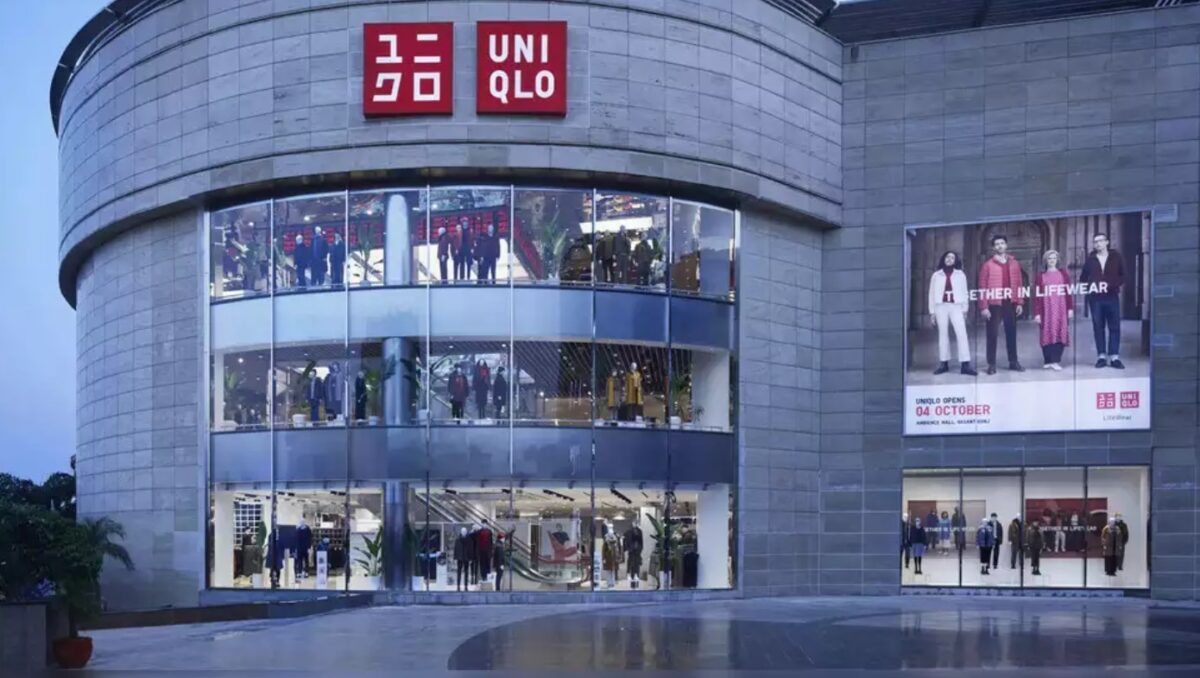
Around two years ago, when Delhi-based Debabrata Bhattacherjee decided to explore a new brand for casual wear, he decided to give Uniqlo a try. The 27-year-old was so impressed by the quality that he became a regular customer of the Japanese fashion brand that had set foot in India in 2019.
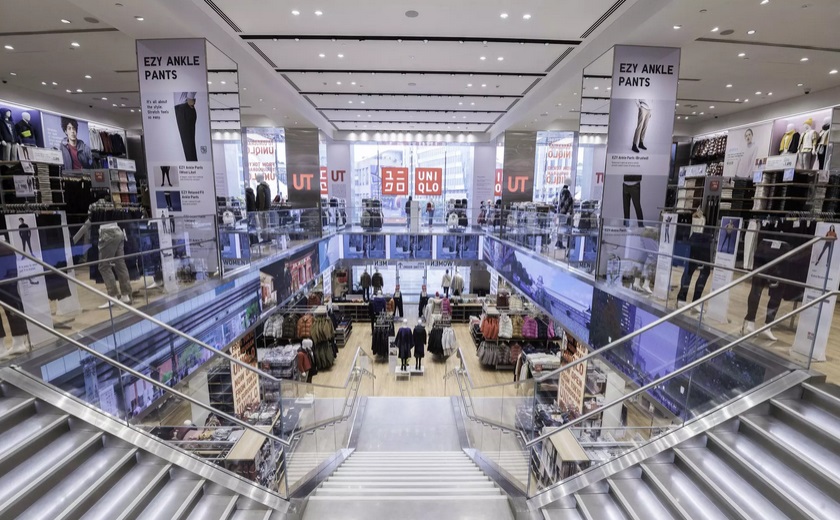
“What first attracted me was the convenient design of their store, which was very organised and clean. Very Japanese, to say! The shopping experience is very hassle-free and offers a lot of options. Their clothes are very comfortable and the quality is excellent,” said Bhattacherjee, a video producer. Though the brand is costlier than others, he is okay paying the premium.
Bhattacherjee is among the many Indians who have contributed to the rising sales of Uniqlo. Also known to be Asia’s biggest clothing brand, the Japanese company posted a 69% jump in sales in FY23 from FY22, with a net revenue of Rs 624.6 crore and a net profit of Rs 68.38 crore in India.
Uniqlo is among a bunch of Japanese and South Korean brands that have, in the past couple of years, been gaining more space in the lifestyle and beauty product shelves of Indians. Wacoal, MUJI, Innisfree, Sulwhasoo and Amorepacific have been witnessing a relatively quiet but consistent growth in sales in the country.
East Asian portfolio
Indian consumers are not new to the products from these countries. A popular example is automobiles: Suzuki, Hyundai, Toyota and Honda have made millions of Indians mobile. Now, fashion and lifestyle products from East Asia are also now becoming part of Indian households.
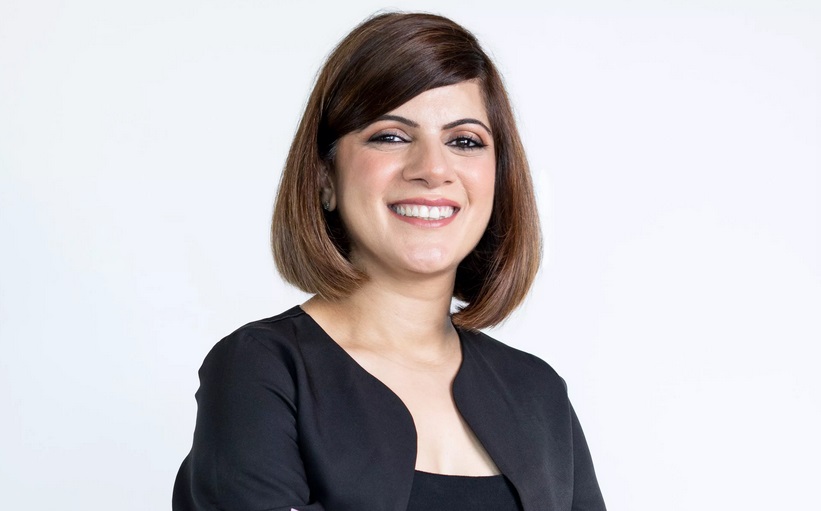
Anand Ramanathan, Partner and Leader-Consumer Products and Retail, Deloitte India, said this is because these brands have built a reputation for quality, design and durability — much like their peers in automobiles and engineering.
East Asian lifestyle and beauty brands initially had an influence in the Northeastern states, where the customers are not only ahead of the curve in fashionability but also found resonance with the look of these brands, said Devangshu Dutta, founder and CEO of management consulting firm Third Eyesight. “In due course, K-dramas and K-pop (Korean popular culture) has boosted their expansion across the country. Japan and Korea are highly developed beauty and skincare markets, with customers who are conscious both about their appearance, as well as about the products’ performance. These brands have established brand equity across markets on their quality, innovation, and product development,” he said.
Indians have been enjoying the “Korean wave” or Haalyu, which refers to the global popularity of Korean culture, music, movies, and TV dramas. Ramanathan pointed out that Korean has emerged as the most learnt language among the 13-22 age group in India. Apart from fashion, he said, the cultural impact can be seen in food and jewellery options of Indian Gen Z and millennials.
Well-travelled Indians who have been exposed to these brands find the pricing has “value” implicitly built in, Dutta added.
Companies from these countries also seem to find value in India. A 2023 survey by the Japan Bank for International Cooperation (JBIC) that collected responses from over 500 manufacturers in the island country showed that 48.6% of the companies considered India a key destination for medium-term business growth. Ramanthan cited a report by DPIIT that stated that since 2000, South Korea has invested $5.7 billion in India across various sectors. Recently, South Korea has invested $400 million in India during July 2022 to June 2023.
E-commerce is a driver
Another brand on this list is Japan-based Wacoal. The lingerie maker entered India in 2015 with its first store in Mumbai, and has posted an impressive 3X year-on-year increase over the last eight years, said Pooja Merani, COO of Wacoal India.
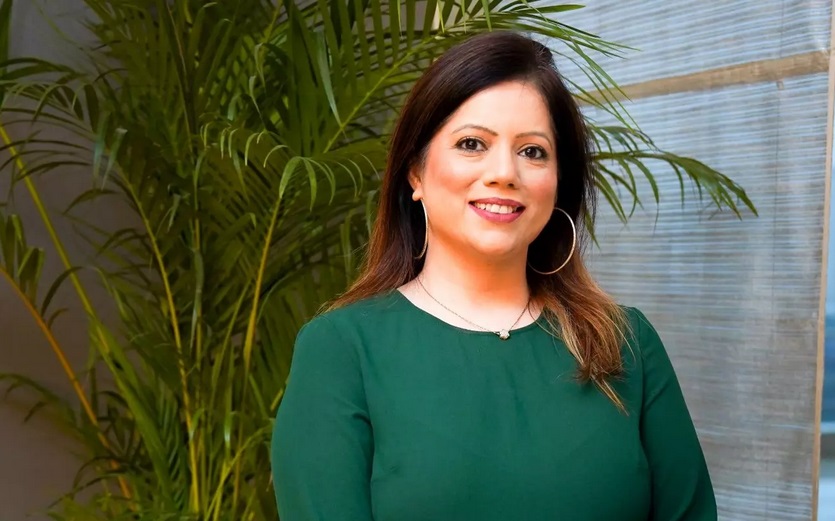
This was because its products have adapted designs that align with the preferences of the Indian market, demonstrating cultural sensitivity, she said. The company measures the physique of approximately 1,000 women and girls between the ages of 4 and 69 every year, said Merani. This has helped it make clothes that suit Indians well. “Prioritising fit and comfort in the offerings, and understanding the diverse body types in India, have likely contributed to customer satisfaction and loyalty,” she said.
South Korean beauty firm Amorepacific, which is the parent company of popular cosmetic brands such as Innisfree and Sulwhasoo, said they are seeing traction in India as the beauty and wellness industry is experiencing robust growth. “There is an increasing awareness and emphasis on skincare, with consumers seeking effective and high-quality products. India has a large and youthful population, and the youth are often early adopters of beauty trends. Korean skincare products, with their trendy packaging, innovative formulations, and youthful image, can resonate well with this demographic,” said Mini Sood Banerjee, Assistant Director and Head of Marketing at Amorepacific Group.
The company had last year signed an agreement with Reliance Retail to sell through its online fashion platform, Tira. Banerjee said 80% of its sales are through e-commerce. “INNISFREE has been engaging with the Indian consumer much more rapidly in the online space.”
Uniqlo attributed its success to its blend of Japanese philosophy with Indian culture — the company started selling kurtas from 2019, when it had entered India through Delhi. A spokesperson credited the brand’s success to the 13 brick-and-mortar stores in India focussing on its “LifeWear” philosophy. “It is simple, high-quality, everyday clothing with a practical sense of beauty that is ingenious in detail. This approach originates from the Japanese values of simplicity, quality and longevity — and we have seen that Indians appreciate the high level of quality of our apparel,” the spokesperson said.
Making in India
These companies have also started production in India, a sign that they find the market promising.
Wacoal started its production in India last year, and is expanding into newer segments. The Uniqlo spokesperson said the company is on track to achieve 30% domestic sourcing. “We are actively growing local suppliers to deliver quality products for our customers. For example, we now work with 17 sewing factories and 6 fabric mills in India.”

Fashion, home textiles and other home products are potentially the first categories where manufacturing within India can be explored, said Third Eyesight’s Dutta. Brands with a large global footprint and established supply chains find it difficult to shift manufacturing bases.
“To make a shift to India, a substantial volume of demand needs to be generated within the country, and brands also need to be actively looking to diversify from their existing supply bases. Fashion brands and retailers with product lines that are relatively less technical or complex, or for which the size of economically viable production base is relatively small, are already looking at manufacturing more products and greater volumes in India,” he said.
Foreign brands have to find the product-market fit to be successful in a country. India being an ethnically diverse market, the product-market fit can be dissimilar across the country. Brands can be successful only if they can address specific segments and build the business accordingly, Dutta added.
Companies like Wacoal said they are mindful of the cultural challenges. Merani pointed out how the lingerie market is predominantly unorganised and has challenges such as limited awareness about proper sizing and cultural taboos. “Overcoming traditional industry norms and promoting accurate sizing awareness remains a persistent hurdle for us. Additionally, addressing diverse body types while ensuring top-notch quality further adds complexity,” she said.
‘Affluent India’
Despite the challenges and the steep pricing, experts said these brands are becoming popular as Indians have more disposable income.
According to a recent Goldman Sachs report that corroborated data using tax filings, bank deposits, credit cards and broadband connections, the affluent Indian consumer cohort has grown at a compound annual growth rate (CAGR) of over 12% in 2019-23, compared to 1% CAGR in India’s population. Rising retail participation has lifted India market cap over 80%, it pointed out. “The largest beneficiary of rising ‘affluent India’ are categories such as leisure, jewellery, out-of-home food and healthcare, and premium brands within all categories,” it added.
The willingness of Indian customers to pay a premium price for better quality products depends on factors such as product category, brand reputation, target demographic and economic conditions, said Amorepacific’s Sood.
For Japanese brands, the shift in India from electronics and automobiles to clothing and lifestyle is driven by strategic diversification and changing consumer trends. Japanese companies are leveraging globalisation and the increasing exposure of Indian consumers to international lifestyles, said Wacoal’s Merani.
“Economic factors, such as India’s growing middle-class population and economic growth, contribute to the attractiveness of the market. Thorough market research and understanding of local preferences, along with collaborations and partnerships, enable Japanese brands to align their products with the specific demands of the Indian consumer market. Overall, this shift reflects the adaptability and strategic decision-making of Japanese brands, indicating their confidence in the potential for success in diverse sectors beyond automobiles,” she said.
The Indian market still has legs.
The COO of Wacoal India said the lingerie market, for one, would grow by a CAGR of 9.3%, especially as more young women join the workforce.
India presents a great opportunity as a strong growing market. Even domestic brands are competing for “share-of-mind, shelf-space and share-of-wallet, and some larger Indian corporates are also backing their own brands and retail formats with strong investments,” added Third Eyesight’s Dutta.
If the Japanese and Korean brands want to survive, they would need to keep innovating and adapting to consumer preference. For Indians, meanwhile, it is “ache din” when it comes to shopping.
admin
February 21, 2024

Sharleen D’Souza, Business Standard
Mumbai, 20 February 2024
Over the past year, Amul has undergone a transformative journey, evolving from a dairy-centric entity to a comprehensive foods company.
Since 2022, PepsiCo India, too, has embarked on extensive launches in the food category.
Not to be left behind, ITC, which has been introducing an average of 100 fastmoving consumer goods (FMCG) products across categories every year, has also launched a number of packaged food items.
The shelves in stores are packed. The options on e-commerce platforms are dizzyingly aplenty. The consumer is spoilt for choice. Which flavour of oats to go for? What packet of chips to pick? Should one reach out for those mouthwatering frozen snacks or think healthy and opt for atta (wheat flour) cookies?
Companies are pulling out all possible goodies in the form of packed food.
It is a strategic shift initiated during the pandemic and which has proven to be a lasting trend. During the pandemic, when other businesses were curtailing expenses, food companies started launching new products as consumers turned to packaged food.
Amul identified a growing preference for purity during the pandemic, and realised that this preference was here to stay. The company aggressively expanded its product range, venturing beyond dairy into items such as organic dal, atta, and basmati rice.
“We noticed that consumers were moving from unbranded to branded products, and were increasingly seeking out those that would boost their immunity,” says Jayen Mehta, managing director, Gujarat
Cooperative Milk Marketing Federation. Even later, as the world moved out of the pandemic, the preference for packaged foods continued.
Convenience foods, which had gained prominence during the pandemic, sustained their popularity. The widespread adoption of modern retail formats, including brick-and-mortar, e-commerce and quick commerce, proved to be further growth enablers for packaged foods. These formats facilitate the display of entire product ranges to a larger consumer base, says brand expert Devangshu Dutta, founder at Third Eyesight, and that helps.
Growing platter
Today, while Amul’s flagship product, packaged milk, is recording double-digit growth, Mehta says the company is also focusing on premiumisation by introducing artisanal cheese and products such as
Amul High Protein Buttermilk, high protein lassi and shakes, and whey protein.
ITC’s diverse launches, meanwhile, include lump-free Aashirvaad Besan, frozen breads, Dark Fantasy centre-fill cookies, and a variety of Master Chef frozen snacks such as paneer pakoda and onion rings, B
Natural fruit juices, Aashirvaad Svasti ghee, and so on.
Last year, as the focus turned to millets, and 2023 was declared International Year of Millets, the Kolkata-headquartered conglomerate saw a healthy business opportunity. It launched ITC Mission Millet with
an array of millet-based products: Sunfeast millet cookies, Aashirvaad millet mixes, YiPPee! millet-based noodles, Candyman Fantastik chocsticks with millets, and more.
“The company will continue with its focus on consumer-centric innovation and product launches across its portfolio,” says Hemant Malik, executive director, ITC. A finger on the consumer’s pulse, product research and development through ITC’s Life Sciences and Technology Centre, and an extensive omnichannel distribution infrastructure are helping the game.
PepsiCo India, too, is in the race to capture a growing share of the packaged food market. How serious the company is about this can be gauged from the fact that since 2022, its launches in the packaged food category have been the highest since it entered the food space in 1995.
It is not even two months into 2024 and PepsiCo has already launched three flavours in oats: masala magic, herby cheese, and mixed berries.
Last year, it had four launches and introduced seven new flavours in Doritos and Kurkure. And in 2022, it launched five new products and eight new flavours in Doritos, Quaker Oats and Lay’s.
In Lay’s, it went premium and launched Lay’s Gourmet.
Sravani Babu, associate director and category lead at Quaker Oats, says while the category is nascent compared to other FMCG segments, it is growing in double digits. So, the three new flavours were a
considered call.
While “basic oats continue to be the leading segment in the category,” she says, with these new flavours, the company is looking at oats as not just something one eats for breakfast. With PepsiCo keen on broadening the oats portfolio, the bowl is expected to see even more variety in the time to come.
Food in a jiffy
Quick commerce, which promises deliveries within 10 minutes, has also accelerated in-home consumption trends, said Saumya Rathor, category lead of potato chips at PepsiCo India, in an interview.
Consumer habits, she said, take decades to evolve, but the pandemic hastened that shift. So, the convenience-driven traction for packaged foods has persisted. E-commerce and quick commerce have only expanded packaged snack penetration across the country.
In response to the growing demand, PepsiCo India has announced its first food manufacturing plant in Nalbari, Assam, with an investment of Rs. 778 crore ($95 million). Scheduled to be operational in 2025,
this expansive facility spans 44.2 acres and underscores the company’s desire to make the most of the rising consumption trends in the foods sector.
Other food companies, including ITC and Amul, have also embraced an assertive stance, launching products strategically.
The trajectory indicates a promising future for India’s packaged food sector. The shelves are set to overflow.
Size of the packaged foods market: In 2022, India’s packaged food market size was $2.7 billion and it is projected to reach $3.4 billion by 2027
(According to Statista)
(Published in Business Standard)
admin
January 26, 2024

Sagar Malviya, Economic Times
Mumbai, 26 January 2024
Hindustan Unilever and United Spirits together present a study in contrasts that seemingly reinforces the current purchasing trends in India’s consumption sector. At the country’s biggest consumer-goods and alco-bev companies, respectively, premium brands are flying off the shelves, but mass-priced products remain relative stragglers.
“At the premium and luxury ends, they (consumers) are continuing to spend, continuing to experiment, continuing to do repertoire drinking, especially experimenting with the white spirits, drinking at home,” Hina Nagarajan, managing director at Diageo-controlled United Spirits, told investors in a post-earnings call. “However, Middle India, or the value-oriented consumer, is actually cutting down on the number of occasions (to spend) to manage their money.”
The maker of Johnnie Walker and Smirnoff posted a 12.4% volume decline in the mass-priced segments, while pricier prestige and above categories saw a 10% growth during the December quarter. The Indian unit of the world’s biggest distiller said it expects this trend in purchasing behaviour to continue over the next couple of quarters.
At Hindustan Unilever, the country’s biggest consumer company by both sales and market value, the story isn’t vastly different. The FMCG bellwether said its premium portfolio expanded more than two-and-a-half times the mass segment over the past few quarters.
This trend was seen even in the rural areas that make up nearly half the annual sales at the maker of Dove soaps and Glow & Lovely skin creams. Pricier products now constitute a third of Hindustan Unilever’s total sales. “In rural areas, there are people who can afford and spend money, and hence, the premium portfolio in has also grown well – like it has grown in urban parts of the business,” Rohit Jawa, managing director, Hindustan Unilever, told investors after the December-quarter earnings. “We have always seen that essential and discretionary are the two realities of (the) rural (market).”
Incomes & Business Cycles
This dichotomy in purchase decisions appears to be a function of income disparity and is market-agnostic, experts believe. For instance, rural India that accounts for nearly 40% of the overall FMCG market saw a noticeable drop in demand for a year due to inflation and erratic monsoons. Cities, meanwhile, appear to be at the vanguard of overall consumption demand across categories as urban incomes, typically linked to organised sectors of the economy, are more resilient to business cycles and promise better protection against broader inflationary pressures. “Even if the consuming class, mainly upper and middle class, saw an impact on their incomes, it is still not significant to affect their discretionary spends,” said Devangshu Dutta, founder of Third Eyesight, a strategy consulting firm. “There is a buffer available for higher income growth and it will hit them later in any economic downturn. At present, it is felt in the lower-income segment.”
Over the past decade and a half, consumer companies expanded sales by pushing both pricier and affordable products. Companies still have budget-friendly options in their portfolio, but lower incomes, especially in rural areas, appear to have dented purchasing power at the budget end of the market. “The real pressure on the wallet is on the lower side, where we do see upgrades are not happening from country liquor to either the popular category or the lower end of prestige,” said Nagarajan at United Spirits.
(Published in Economic Times)
admin
December 12, 2023

Akshit Pushkarna, Afaqs
12 December 2023
The season for Indian weddings, usually spanning October to December, experienced an unusual twist due to Hindu calendar nuances this year, resulting in a shorter duration. The unexpected shift has upended the conventional decrease in marriage ceremonies, resulting in a condensed surge of weddings.
A report by the Confederation of All India Traders (CAIT) anticipates Rs 4.74 lakh crore in business earnings from the 38 lakh marriages expected this wedding season, marking a historic high. In comparison, the corresponding period last year witnessed around 32 lakh weddings with total expenses amounting to Rs 3.75 lakh crore.
This presents brands involved in the wedding business with an ample opportunity to capitalise and drive forth their business revenues for the year to come. Three key brands associated with wedding business are steering their strategies to align with the evolving preferences of Indian consumers in the lucrative wedding market.
A more region-specific focus for Shaadi.com’s marketing communication
In a conversation with afaqs!, Adhish Zaveri, VP-marketing, Shaadi.com, a prominent online matrimonial and matchmaking service, speaks about how digital media is more relevant for brand building for wedding-oriented businesses now, eclipsing the relevance of traditional TV and out-of-home advertising. He sees mass media serving only reminders to prompt registrations, while the primary focus shifts towards digital platforms.
This change involves a robust regional focus within our marketing playbook, recognising the dynamic shifts in matrimonial behavior across diverse geographies
Adhish Zaveri, VP-marketing, Shaadi.com
“This season, we have incorporated a paradigm shift in our marketing strategy, driven not only by the upswing in weddings but also by observing how Indians approach finding life partners, with nuances varying across regions. This change involves a robust regional focus within our marketing playbook, recognising the dynamic shifts in matrimonial behaviour across diverse geographies,” he says.
The campaign is driven by the company’s commitment to assure individuals of finding a match within a specified timeframe. The pledge to successfully matchmake within 30 days, with a refund guarantee, serves as the crux of their messaging this season. “Tailoring our approach to each market, we’ve executed this promise uniquely.”
This approach sees the company partner with people of influence across markets to drive better visibility. For the Hindi market, they’ve forged a strategic partnership with Jasleen Royal, the acclaimed singer behind popular wedding songs like Din Shagna Da and Hiriye. Leveraging her association, Zaveri says they have orchestrated a robust social media engagement strategy.
“In the Tamil market, we’ve employed celebrities who recently tied the knot as our ‘matchmakers.’ Adapting a viral reel from this region, featuring the celebrity couple, became a cornerstone of our campaign. While regional focus has always been part of our strategy, this time we’ve approached it through a celebrity lens, creating bespoke strategies for each South Indian market. Although distinct, each strategy is unified by a celebrity-centric approach. From featuring Supriya and Sachin Pilgaonkar for Marathi audiences to enlisting Jasleen Royal for the North, and partnering with Ashok Selvan and Keerthi Pandian for the South – we’ve delved deeper into regional dynamics,” he adds.
Zaveri believes the success of the approach is evident, particularly in the South, where the company’s market presence has increased dramatically post-campaign, providing them an opportunity to further invest in the region.
A focus on the Wedding planning business for Vikaas Gutgutia’s Ferns N Petals
In the backdrop of a season that signals prosperity, Vikaas Gutgutia, founder and managing director, Ferns N Petals (FnP), reflects on the trajectory of its business, navigating through the challenges of a pandemic-induced wedding lull.
He says FnP strategically sustained its business in 2022, aligning with the resumption of the wedding business. With the focus shifting to a year poised for business takeoff, the company plans on exploring the wedding planning business with their new business line Shaadi Central.
“With a legacy in the wedding industry, FnP has historically undertaken various wedding-related tasks, albeit not comprehensively under one roof or in an organised manner. This year marks a strategic shift as the company introduced ‘Shaadi Central,’ a luxury wedding company offering a one-stop solution for all wedding needs.”
“This holistic approach aims to streamline and elevate the wedding planning experience, allowing partners and their families to focus on the approaching wedding date with ease. The innovation and consolidation under ‘Shaadi Central’ have sparked notable interest and engagement in the new business venture. Having weathered a less-than-ideal summer season and traditionally subdued winter numbers, we anticipate a robust revenue surge, making the current season particularly promising,” he asserts.”
The business setup was sparked by Gutgutia’s assertion that, with the evolving landscape of wedding planning, which has made destination weddings and grandeur now necessary for some, the role of wedding planners has become significantly prominent. The launch’s alignment with the business boom anticipated with the wedding season of 2023, Gutgutia underscores the importance of timing in business.
The innovation and consolidation under ‘Shaadi Central’ have sparked notable interest and engagement in the new business venture.
Vikaas Gutgutia, founder and managing director, Ferns N Petals (FnP)
Delving into the marketing approach for this new business vertical, he explains, “The momentum generated by word of mouth for the growth of its wedding planning vertical. Each wedding becomes a nexus of potential customers, and social media plays a pivotal role in amplifying references. With clear and specific messaging in the realm of social media, we have successfully driven business, recognising the platform as the primary point of reference in shaping preferences.”
Looking ahead, FnP anticipates a substantial increase in business revenue across all its verticals. The wedding services vertical, in particular, is expected to bring in significant growth in revenue for the company. The belief stems from the observation that the wedding planning sector remains largely unorganised, and he believes that FnP stands out as a formidable player in terms of size and brand image. As the business charts its course forward, the wedding services vertical emerges as a key focus, poised for substantial expansion.
Senco Gold & Diamonds leveraging virtual try-ons for delivering business growth
Joita Sen, director- marketing and design, Senco Gold & Diamonds, says that the company, with a legacy of 80 years, is uniquely equipped to understand the evolving landscape of bridal desires.
Sen elaborates that the company started the year fresh after initiating their Rajwada Collection, a campaign with which the brand aims to weave together traditional designs infused with modern touches and patterns in their offerings. These offerings, thus, can resonate with the essence of the contemporary woman.
The move also sees the brand shifting its focus towards diverse designs, moving away from region-specific choices. Herein lies a unique selling proposition (USP) for the brand—fulfilling a diverse range of needs while ensuring accessibility across various price points. From high-end designs to more budget-friendly options, the brand aims to leave every customer content upon leaving the store.
“The evolution of groom preferences and competitive pricing have further shaped our approach. A significant aspect of our marketing strategy here revolves around social media, leveraging its targeted reach compared to traditional approaches like billboards and footfall. 50 percent of the marketing budget is allocated to digital channels, where advancements have allowed for more precise consumer outreach.”
50 percent of the marketing budget is allocated to digital channels, where advancements have allowed for more precise consumer outreach.
Joita Sen, director- marketing and design, Senco Gold & Diamonds
However, the digital realm poses a challenge in providing a comprehensive array of options compared to the immersive experience offered in showrooms. To address this, Sen acknowledges the importance of virtual try-ons.
“While currently available for select products, we are actively working on expanding our offerings in virtual try-ons. This approach proves instrumental in effectively communicating the design, look, and feel of the jewellery to consumers, bridging the gap between the digital and physical shopping experiences.
According to Devangshu Dutta, CEO, Third Eyesight, the ongoing mega-season of weddings presents a favourable outlook for formalwear and traditional wear brands across various categories. This surge in weddings is not limited to the upper-income segment but extends across the income spectrum, reaching the middle class and towns of all sizes.
Thus, to effectively capitalise on the wedding season, brands must establish a strong position in customers’ minds well in advance, he believes.
“Products and brands associated with brides, grooms, and close family members, as well as those intended for gifting to the extended family, are inherently perceived as “premium” within their respective consumer segments. This holds true regardless of the targeted population segment. Success as a “wedding brand” requires a long-term perspective, with continuous investments in product development, service enhancement, and marketing expenditure to ensure that the brand stands out prominently amid competition,” he says.
”In the current market landscape, achieving visibility demands a multi-modal approach, encompassing both offline and traditional channels, along with tactical online advertising.”
Devangshu Dutta, CEO, Third Eyesight
In the short term, however, he opines that the visibility and availability of products just before the wedding season play a crucial role in influencing specific performance during that period.
”In the current market landscape, achieving visibility demands a multi-modal approach, encompassing both offline and traditional channels, along with tactical online advertising.”
(Published in Afaqs)
