
admin
March 7, 2026
Vaeshnavi Kasthuril, MINT
Bengaluru, 7 March 2026
While many consumer goods companies are acquiring direct-to-consumer (D2C) startups, Reliance Consumer Products Ltd (RCPL) is pursuing a different playbook. The consumer arm of billionaire Mukesh Ambani’s Reliance Industries has been steadily buying regional legacy brands with strong local recall. By plugging these brands into Reliance’s vast retail and distribution ecosystem, the company hopes to accelerate its ambition of becoming an FMCG powerhouse.
During the December quarter, RCPL overall gross revenue stood at 5,065 crore, up 60% year-on-year, according to an earnings statement from Reliance Industries. India’s FMCG sector remains dominated by established players such as Hindustan Unilever Ltd, which reported revenue of about 64,138 crore in FY25—highlighting the scale of the opportunity Reliance is targeting as it builds its consumer business.
“What Reliance is doing is cobbling together a portfolio of brands that already have some momentum,” said Arvind Singhal, chairman of The Knowledge Company, a Gurgaon-based management consulting firm.
Which regional brands has Reliance acquired?
Over the past few years, RCPL has assembled a portfolio of regional brands across food, beverages and personal care. One of its latest additions is Chennai-based Southern Health Foods Pvt. Ltd, which sells millet-based foods, health mixes and baby nutrition products under the Manna brand. Reliance acquired the company for about 158 crore, marking its entry into the fast-growing millet and nutrition foods segment.
Earlier, RCPL bought a majority stake in Udhaiyam Agro Foods Pvt. Ltd, a Tamil Nadu-based staples brand known for pulses, flours, spices and ready-to-cook mixes. Revenue at Shri Lakshmi Agro Foods Pvt. Ltd, which sells products under the Udhaiyam brand, rose about 5% year-on-year to 668.2 crore in FY24, according to Tracxn data.
Reliance has also acquired Delhi-based Sii, a legacy condiments maker known for jams, sauces and cooking pastes as well as Velvette, the historic personal care label that pioneered shampoo sachets in India in the 1980s.
In beverages, RCPL revived Campa Cola, acquired from the Pure Drinks Group, as a mass-market challenger in the carbonated drinks segment. It has also partnered Hajpuri & Sons to distribute regional drinks such as Sosyo, Kashmira and Ginlim, and tied up with Sri Lanka’s Elephant House to manufacture and distribute its beverages in India.
What do regional brands gain from partnering with Reliance?
Regional brands that partner with or are acquired by Reliance gain access to scale that is often difficult to achieve independently. Many local brands enjoy strong loyalty in their home markets but face constraints such as limited capital, weaker supply chains and restricted distribution networks.
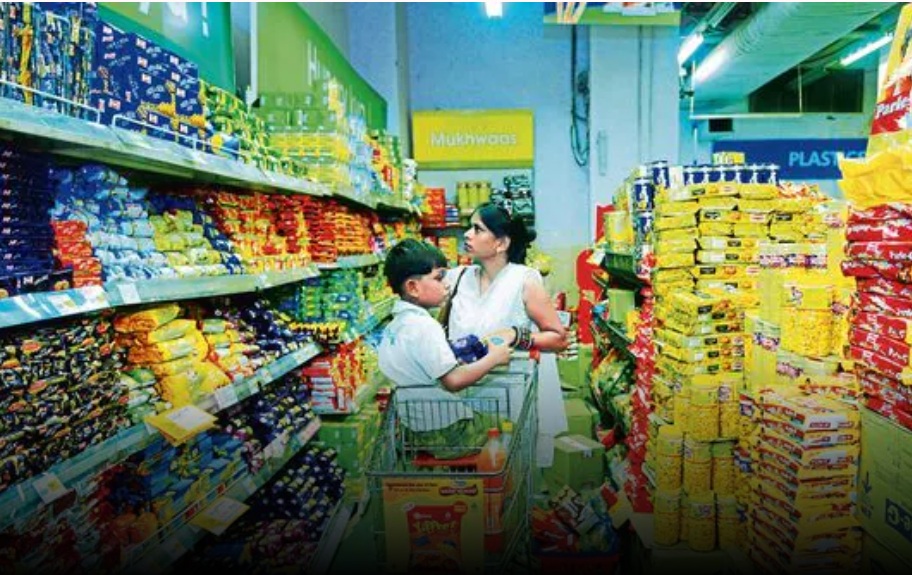
Under the Reliance umbrella, these brands gain access to the group’s nationwide retail and distribution ecosystem, which includes millions of kirana stores as well as large-format retail chains operated by Reliance Retail. This enables them to expand beyond their regional strongholds far faster than they could independently.
Reliance can also improve manufacturing and supply-chain efficiencies, helping these brands scale production, strengthen sourcing and reduce logistics costs. In addition, stronger marketing capabilities and financial backing allow brands to invest in packaging, advertising and product innovation—helping them evolve from local favourites into national brands.
Why is Reliance pursuing this strategy?
For Reliance Consumer Products Ltd, acquiring regional brands offers a faster and potentially less risky way to expand in India’s vast FMCG market. These brands already have loyal customers, established products and existing manufacturing. By plugging them into Reliance Retail’s distribution network, the company can rapidly expand their reach across the country.
The strategy also allows Reliance to quickly build a diverse portfolio across staples, beverages and personal care—strengthening its ability to compete with established FMCG giants such as Hindustan Unilever and ITC.
How are rival FMCG companies expanding instead?
Most traditional FMCG companies are pursuing a different strategy by acquiring or investing in digital-first D2C brands. These startups often operate in fast-growing segments such as premium skincare, clean beauty and health-focused foods, helping established companies tap younger, digitally savvy consumers.
• Hindustan Unilever recently acquired skincare startup Minimalist, a fast-growing digital-first brand known for its ingredient-focused beauty products.
• Dabur India has also entered the space by acquiring premium beauty brand RAS Luxury Skincare through its 500-crore venture capital arm.
• Marico has taken a similar approach, investing in digital-first brands such as Beardo and Just Herbs to strengthen its presence in grooming and natural beauty.
Such deals allow established companies to quickly enter emerging premium categories.
What challenges could Reliance face in scaling regional brands?
Scaling regional brands nationally can be more complex than expanding digital-first startups. Many regional brands are built around specific local tastes, price sensitivities and cultural preferences that may not translate easily across markets. “India is very diverse, and consumer preferences vary significantly across regions,” said Singhal of The Knowledge Company.
Another challenge is that many regional brands lack the infrastructure to scale independently. “For many regional brands, the first real scaling often comes from the acquirer’s distribution rather than from the brand itself,” said Devangshu Dutta, founder of consulting firm Third Eyesight.
In contrast, many D2C brands are designed from the outset for a national or digital audience, making them easier to scale online. However, these startups often rely heavily on marketing spends and online channels, which can make profitability and large-scale expansion challenging.
For RCPL, the key test will be retaining the regional authenticity of these brands while using the nationwide distribution strength of Reliance Retail to expand them beyond their core markets.
(Published in Mint)
