
admin
February 21, 2024
The ability of fashion businesses to endure and thrive in the face of stiff competition and changing market dynamics is all about adapting to innovation, customer-centricity, and strategic planning. The correlation between high performing fashion business and product innovation is undeniable.
This panel discussion brings Design and Business Heads together to brainstorm on how fashion companies can devise strategies to drive innovation to remain competitive, meet evolving consumer expectations, and stay ahead of the race.
Moderator: Devangshu Dutta, Founder & Chief Executive, Third Eyesight
Panelists:
admin
February 21, 2024
Published in ETPrime, 21 February 2024
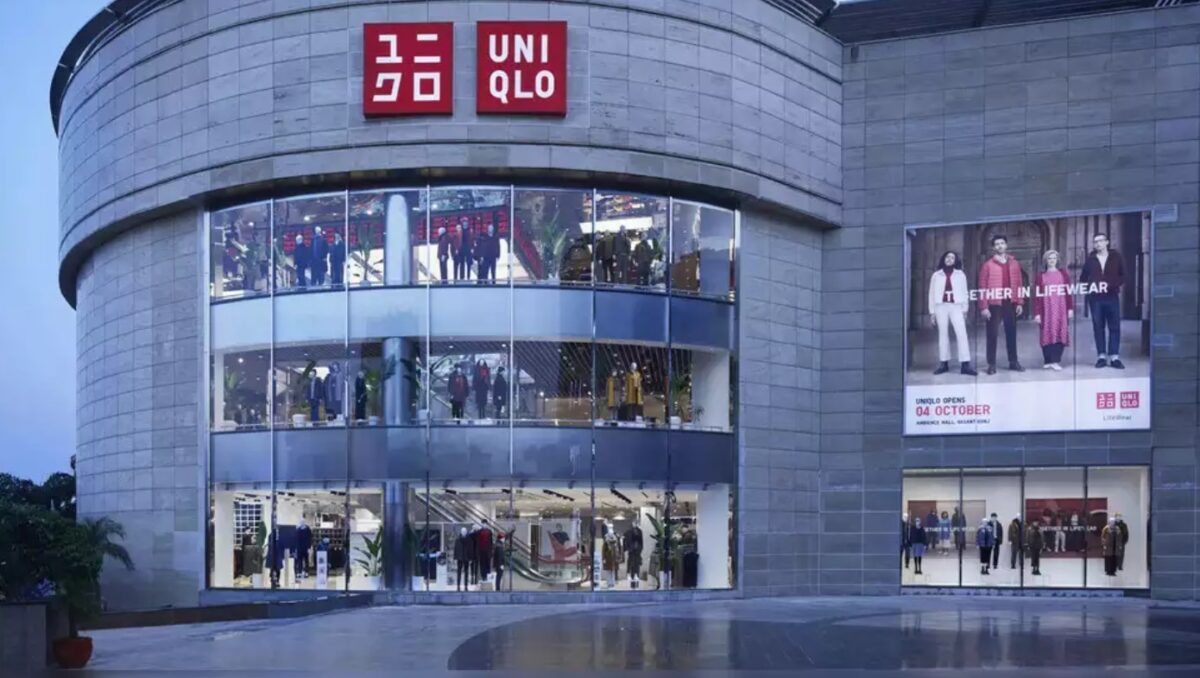
Around two years ago, when Delhi-based Debabrata Bhattacherjee decided to explore a new brand for casual wear, he decided to give Uniqlo a try. The 27-year-old was so impressed by the quality that he became a regular customer of the Japanese fashion brand that had set foot in India in 2019.
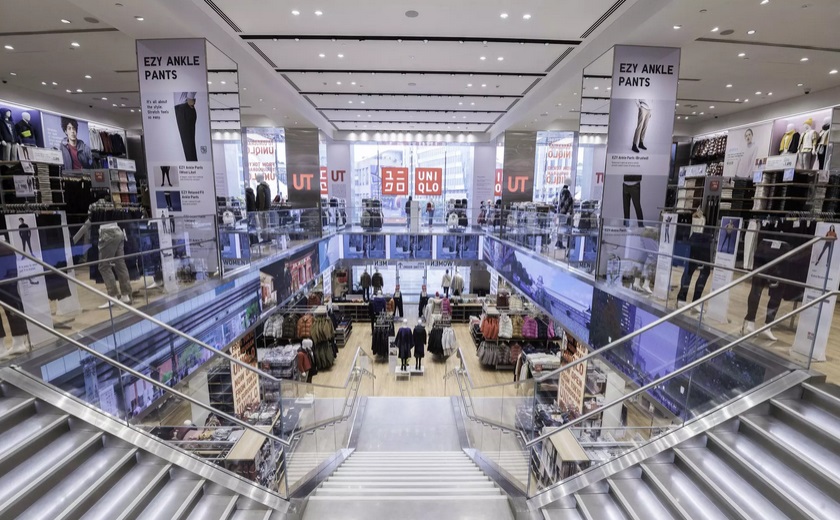
“What first attracted me was the convenient design of their store, which was very organised and clean. Very Japanese, to say! The shopping experience is very hassle-free and offers a lot of options. Their clothes are very comfortable and the quality is excellent,” said Bhattacherjee, a video producer. Though the brand is costlier than others, he is okay paying the premium.
Bhattacherjee is among the many Indians who have contributed to the rising sales of Uniqlo. Also known to be Asia’s biggest clothing brand, the Japanese company posted a 69% jump in sales in FY23 from FY22, with a net revenue of Rs 624.6 crore and a net profit of Rs 68.38 crore in India.
Uniqlo is among a bunch of Japanese and South Korean brands that have, in the past couple of years, been gaining more space in the lifestyle and beauty product shelves of Indians. Wacoal, MUJI, Innisfree, Sulwhasoo and Amorepacific have been witnessing a relatively quiet but consistent growth in sales in the country.
East Asian portfolio
Indian consumers are not new to the products from these countries. A popular example is automobiles: Suzuki, Hyundai, Toyota and Honda have made millions of Indians mobile. Now, fashion and lifestyle products from East Asia are also now becoming part of Indian households.
Anand Ramanathan, Partner and Leader-Consumer Products and Retail, Deloitte India, said this is because these brands have built a reputation for quality, design and durability — much like their peers in automobiles and engineering.
East Asian lifestyle and beauty brands initially had an influence in the Northeastern states, where the customers are not only ahead of the curve in fashionability but also found resonance with the look of these brands, said Devangshu Dutta, founder and CEO of management consulting firm Third Eyesight. “In due course, K-dramas and K-pop (Korean popular culture) has boosted their expansion across the country. Japan and Korea are highly developed beauty and skincare markets, with customers who are conscious both about their appearance, as well as about the products’ performance. These brands have established brand equity across markets on their quality, innovation, and product development,” he said.
Indians have been enjoying the “Korean wave” or Haalyu, which refers to the global popularity of Korean culture, music, movies, and TV dramas. Ramanathan pointed out that Korean has emerged as the most learnt language among the 13-22 age group in India. Apart from fashion, he said, the cultural impact can be seen in food and jewellery options of Indian Gen Z and millennials.
Well-travelled Indians who have been exposed to these brands find the pricing has “value” implicitly built in, Dutta added.
Companies from these countries also seem to find value in India. A 2023 survey by the Japan Bank for International Cooperation (JBIC) that collected responses from over 500 manufacturers in the island country showed that 48.6% of the companies considered India a key destination for medium-term business growth. Ramanthan cited a report by DPIIT that stated that since 2000, South Korea has invested $5.7 billion in India across various sectors. Recently, South Korea has invested $400 million in India during July 2022 to June 2023.
E-commerce is a driver
Another brand on this list is Japan-based Wacoal. The lingerie maker entered India in 2015 with its first store in Mumbai, and has posted an impressive 3X year-on-year increase over the last eight years, said Pooja Merani, COO of Wacoal India.
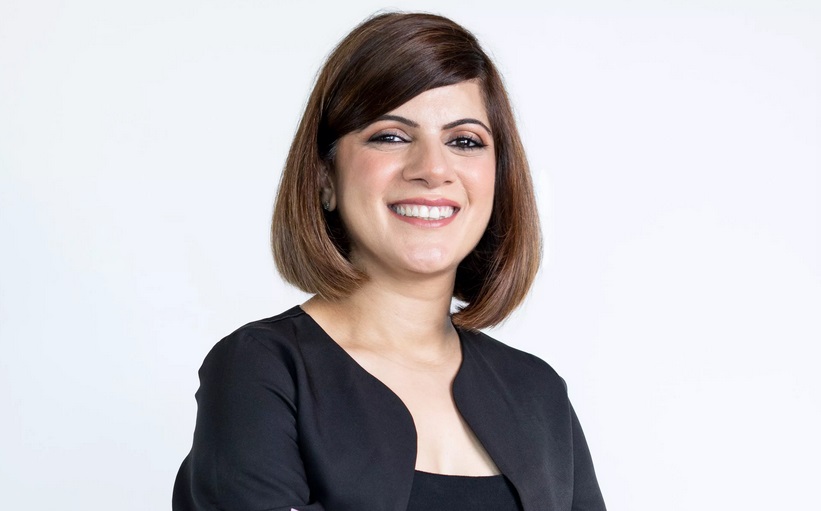
This was because its products have adapted designs that align with the preferences of the Indian market, demonstrating cultural sensitivity, she said. The company measures the physique of approximately 1,000 women and girls between the ages of 4 and 69 every year, said Merani. This has helped it make clothes that suit Indians well. “Prioritising fit and comfort in the offerings, and understanding the diverse body types in India, have likely contributed to customer satisfaction and loyalty,” she said.
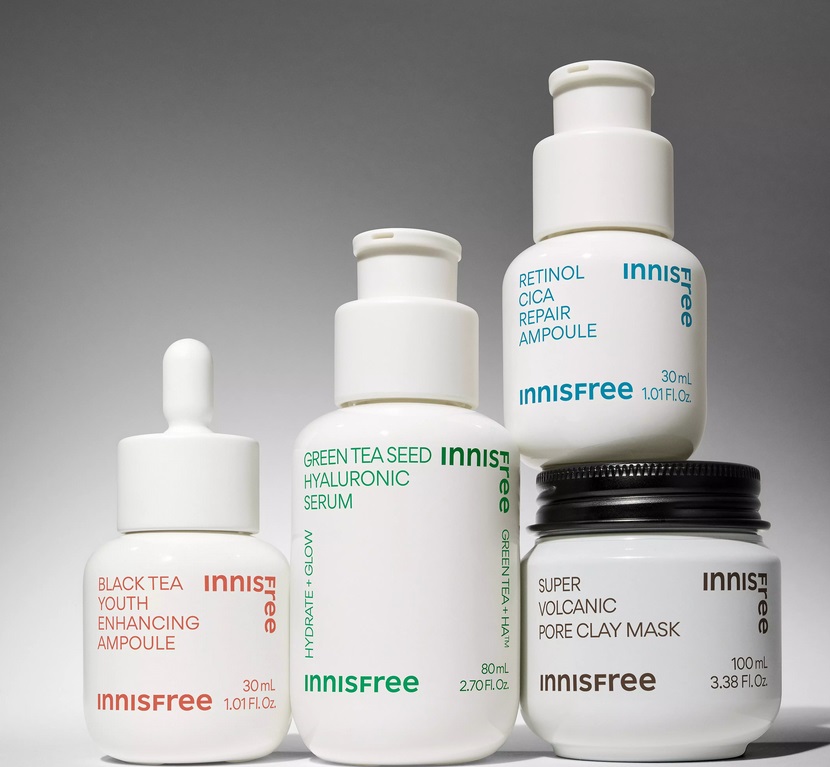
South Korean beauty firm Amorepacific, which is the parent company of popular cosmetic brands such as Innisfree and Sulwhasoo, said they are seeing traction in India as the beauty and wellness industry is experiencing robust growth. “There is an increasing awareness and emphasis on skincare, with consumers seeking effective and high-quality products. India has a large and youthful population, and the youth are often early adopters of beauty trends. Korean skincare products, with their trendy packaging, innovative formulations, and youthful image, can resonate well with this demographic,” said Mini Sood Banerjee, Assistant Director and Head of Marketing at Amorepacific Group.
The company had last year signed an agreement with Reliance Retail to sell through its online fashion platform, Tira. Banerjee said 80% of its sales are through e-commerce. “INNISFREE has been engaging with the Indian consumer much more rapidly in the online space.”
Uniqlo attributed its success to its blend of Japanese philosophy with Indian culture — the company started selling kurtas from 2019, when it had entered India through Delhi. A spokesperson credited the brand’s success to the 13 brick-and-mortar stores in India focussing on its “LifeWear” philosophy. “It is simple, high-quality, everyday clothing with a practical sense of beauty that is ingenious in detail. This approach originates from the Japanese values of simplicity, quality and longevity — and we have seen that Indians appreciate the high level of quality of our apparel,” the spokesperson said.
Making in India
These companies have also started production in India, a sign that they find the market promising.
Wacoal started its production in India last year, and is expanding into newer segments. The Uniqlo spokesperson said the company is on track to achieve 30% domestic sourcing. “We are actively growing local suppliers to deliver quality products for our customers. For example, we now work with 17 sewing factories and 6 fabric mills in India.”
Fashion, home textiles and other home products are potentially the first categories where manufacturing within India can be explored, said Third Eyesight’s Dutta. Brands with a large global footprint and established supply chains find it difficult to shift manufacturing bases.
“To make a shift to India, a substantial volume of demand needs to be generated within the country, and brands also need to be actively looking to diversify from their existing supply bases. Fashion brands and retailers with product lines that are relatively less technical or complex, or for which the size of economically viable production base is relatively small, are already looking at manufacturing more products and greater volumes in India,” he said.
Foreign brands have to find the product-market fit to be successful in a country. India being an ethnically diverse market, the product-market fit can be dissimilar across the country. Brands can be successful only if they can address specific segments and build the business accordingly, Dutta added.
Companies like Wacoal said they are mindful of the cultural challenges. Merani pointed out how the lingerie market is predominantly unorganised and has challenges such as limited awareness about proper sizing and cultural taboos. “Overcoming traditional industry norms and promoting accurate sizing awareness remains a persistent hurdle for us. Additionally, addressing diverse body types while ensuring top-notch quality further adds complexity,” she said.
‘Affluent India’
Despite the challenges and the steep pricing, experts said these brands are becoming popular as Indians have more disposable income.
According to a recent Goldman Sachs report that corroborated data using tax filings, bank deposits, credit cards and broadband connections, the affluent Indian consumer cohort has grown at a compound annual growth rate (CAGR) of over 12% in 2019-23, compared to 1% CAGR in India’s population. Rising retail participation has lifted India market cap over 80%, it pointed out. “The largest beneficiary of rising ‘affluent India’ are categories such as leisure, jewellery, out-of-home food and healthcare, and premium brands within all categories,” it added.
The willingness of Indian customers to pay a premium price for better quality products depends on factors such as product category, brand reputation, target demographic and economic conditions, said Amorepacific’s Sood.
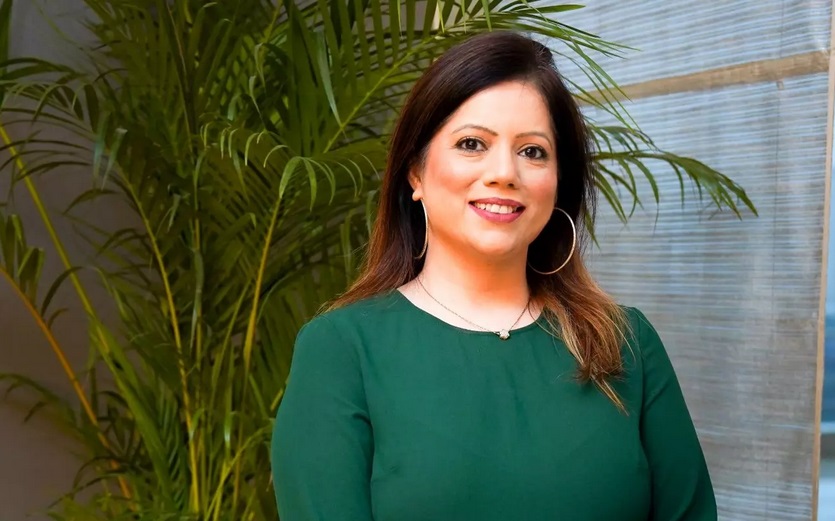
For Japanese brands, the shift in India from electronics and automobiles to clothing and lifestyle is driven by strategic diversification and changing consumer trends. Japanese companies are leveraging globalisation and the increasing exposure of Indian consumers to international lifestyles, said Wacoal’s Merani.
“Economic factors, such as India’s growing middle-class population and economic growth, contribute to the attractiveness of the market. Thorough market research and understanding of local preferences, along with collaborations and partnerships, enable Japanese brands to align their products with the specific demands of the Indian consumer market. Overall, this shift reflects the adaptability and strategic decision-making of Japanese brands, indicating their confidence in the potential for success in diverse sectors beyond automobiles,” she said.
The Indian market still has legs.
The COO of Wacoal India said the lingerie market, for one, would grow by a CAGR of 9.3%, especially as more young women join the workforce.
India presents a great opportunity as a strong growing market. Even domestic brands are competing for “share-of-mind, shelf-space and share-of-wallet, and some larger Indian corporates are also backing their own brands and retail formats with strong investments,” added Third Eyesight’s Dutta.
If the Japanese and Korean brands want to survive, they would need to keep innovating and adapting to consumer preference. For Indians, meanwhile, it is “ache din” when it comes to shopping.
admin
February 21, 2024

Sharleen D’Souza, Business Standard
Mumbai, 20 February 2024
Over the past year, Amul has undergone a transformative journey, evolving from a dairy-centric entity to a comprehensive foods company.
Since 2022, PepsiCo India, too, has embarked on extensive launches in the food category.
Not to be left behind, ITC, which has been introducing an average of 100 fastmoving consumer goods (FMCG) products across categories every year, has also launched a number of packaged food items.
The shelves in stores are packed. The options on e-commerce platforms are dizzyingly aplenty. The consumer is spoilt for choice. Which flavour of oats to go for? What packet of chips to pick? Should one reach out for those mouthwatering frozen snacks or think healthy and opt for atta (wheat flour) cookies?
Companies are pulling out all possible goodies in the form of packed food.
It is a strategic shift initiated during the pandemic and which has proven to be a lasting trend. During the pandemic, when other businesses were curtailing expenses, food companies started launching new products as consumers turned to packaged food.
Amul identified a growing preference for purity during the pandemic, and realised that this preference was here to stay. The company aggressively expanded its product range, venturing beyond dairy into items such as organic dal, atta, and basmati rice.
“We noticed that consumers were moving from unbranded to branded products, and were increasingly seeking out those that would boost their immunity,” says Jayen Mehta, managing director, Gujarat
Cooperative Milk Marketing Federation. Even later, as the world moved out of the pandemic, the preference for packaged foods continued.
Convenience foods, which had gained prominence during the pandemic, sustained their popularity. The widespread adoption of modern retail formats, including brick-and-mortar, e-commerce and quick commerce, proved to be further growth enablers for packaged foods. These formats facilitate the display of entire product ranges to a larger consumer base, says brand expert Devangshu Dutta, founder at Third Eyesight, and that helps.
Growing platter
Today, while Amul’s flagship product, packaged milk, is recording double-digit growth, Mehta says the company is also focusing on premiumisation by introducing artisanal cheese and products such as
Amul High Protein Buttermilk, high protein lassi and shakes, and whey protein.
ITC’s diverse launches, meanwhile, include lump-free Aashirvaad Besan, frozen breads, Dark Fantasy centre-fill cookies, and a variety of Master Chef frozen snacks such as paneer pakoda and onion rings, B
Natural fruit juices, Aashirvaad Svasti ghee, and so on.
Last year, as the focus turned to millets, and 2023 was declared International Year of Millets, the Kolkata-headquartered conglomerate saw a healthy business opportunity. It launched ITC Mission Millet with
an array of millet-based products: Sunfeast millet cookies, Aashirvaad millet mixes, YiPPee! millet-based noodles, Candyman Fantastik chocsticks with millets, and more.
“The company will continue with its focus on consumer-centric innovation and product launches across its portfolio,” says Hemant Malik, executive director, ITC. A finger on the consumer’s pulse, product research and development through ITC’s Life Sciences and Technology Centre, and an extensive omnichannel distribution infrastructure are helping the game.
PepsiCo India, too, is in the race to capture a growing share of the packaged food market. How serious the company is about this can be gauged from the fact that since 2022, its launches in the packaged food category have been the highest since it entered the food space in 1995.
It is not even two months into 2024 and PepsiCo has already launched three flavours in oats: masala magic, herby cheese, and mixed berries.
Last year, it had four launches and introduced seven new flavours in Doritos and Kurkure. And in 2022, it launched five new products and eight new flavours in Doritos, Quaker Oats and Lay’s.
In Lay’s, it went premium and launched Lay’s Gourmet.
Sravani Babu, associate director and category lead at Quaker Oats, says while the category is nascent compared to other FMCG segments, it is growing in double digits. So, the three new flavours were a
considered call.
While “basic oats continue to be the leading segment in the category,” she says, with these new flavours, the company is looking at oats as not just something one eats for breakfast. With PepsiCo keen on broadening the oats portfolio, the bowl is expected to see even more variety in the time to come.
Food in a jiffy
Quick commerce, which promises deliveries within 10 minutes, has also accelerated in-home consumption trends, said Saumya Rathor, category lead of potato chips at PepsiCo India, in an interview.
Consumer habits, she said, take decades to evolve, but the pandemic hastened that shift. So, the convenience-driven traction for packaged foods has persisted. E-commerce and quick commerce have only expanded packaged snack penetration across the country.
In response to the growing demand, PepsiCo India has announced its first food manufacturing plant in Nalbari, Assam, with an investment of Rs. 778 crore ($95 million). Scheduled to be operational in 2025,
this expansive facility spans 44.2 acres and underscores the company’s desire to make the most of the rising consumption trends in the foods sector.
Other food companies, including ITC and Amul, have also embraced an assertive stance, launching products strategically.
The trajectory indicates a promising future for India’s packaged food sector. The shelves are set to overflow.
Size of the packaged foods market: In 2022, India’s packaged food market size was $2.7 billion and it is projected to reach $3.4 billion by 2027
(According to Statista)
(Published in Business Standard)
admin
February 15, 2024
An insightful must-watch discussion, moderated by Devangshu Dutta (Founder, Third Eyesight), with venture capital fund managers, investors and entrepreneurs in retail on what factors attract investors to retail businesses.
The panelists included Vikram Gupta (Founder & Managing Partner, IvyCap Ventures), Amar Nagaram, (Co-Founder, Virgio), and Vikram Gawande (Vice President, Growth, Blume Ventures).
admin
January 29, 2024

Economic Times, 29 January 2024
High aspirational value, rising disposable incomes in non-metro markets, premiumisation, and social media boosting brand awareness have led to international retail brands growing at a fast pace while desi brands go easy on expansion.
Global brands such as Zara, H&M, Bugatti Fashion, La Vie en Rose, Adidas, Nike, West Elm, Starbucks, Uniqlo and Marks & Spencer are fast finding favour with Indian buyers. A significant propeller of their growth is small towns where buyers, willing to spend more, are getting more brand conscious.
According to CBRE, about two dozen international brands entered India in 2023 and expansion by global brands that are already present in the country have fuelled the demand.
Videshi retailers make more space
The retail sector recorded an all-time high leasing in 2023, taking 7.1 million sq ft across eight cities, an increase of 47% from last year despite large retailers slowing down on store expansion. A prominent factor in the growth was international brands. Retail leasing by international brands was almost 25% in 2023 compared to 14% in the previous year, ET has reported.
Canadian lingerie retailer La Vie en Rose made its debut in India in partnership with Apparel Group India and launched its first store in Delhi-NCR in July 2023 and later expanded in Pune and Bangalore. Similarly, Rimowa, a German luxury luggage brand, entered India through its partnership with Reliance Brands and opened its first store in Mumbai.
Other notable expansions by international players include French fashion & apparel brand Bugatti Fashion and the American furniture brand West Elm opening their stores in Pune, and American lingerie brand Victoria’s Secret opening stores in Hyderabad and Pune.
Making inroads into small towns
Three dozen big brands entered tier-II cities in the first nine months of 2023, as demand from smaller cities continued to be strong even after the pandemic. A good number of those were global brands.
Brands such as H&M, Marks & Spencer and GAP have entered cities like Indore, Mangalore, Patna, Ranchi, Mysore, and Coimbatore, according to data by CBRE. “India’s first retail REIT has encouraged developers to aggregate and upgrade their existing facilities, apart from developing new malls. Moreover, domestic and international fashion brands are looking to expand in non-metro cities, fueled by a well-aware and well-travelled consumer set,” Ram Chandnani, Managing Director, Advisory & Transactions Services, CBRE India, has said.
Desi retailers turn cautious
While international brands are expanding at a strong pace, desi retailers are turning cautious. India’s top retailers have significantly slowed down their store expansion this fiscal year, after opening a record number of outlets last year, ET has reported based on their latest investor disclosures. The top five retail chains – Reliance Retail, Titan Company, Avenue Supermarts that owns DMart, V-Mart Retail and Shoppers Stop – together opened 44% fewer stores in the first three quarters through December compared with a year earlier.
Top industry executives attributed the slowdown in store expansion to more focus on profitability when consumption had not picked up the way it was expected to and as most of the new markets are already filled up with two-four retailers, leaving little room for more outlets. It appears global retail brands are less vulnerable to these pressures.
Global brands buck the trend
Top global apparel and fast fashion brands appear to have struck a strong chord with young customers, racking up sales growth of anywhere between 40% and 60% in FY23, bucking the trend in a market where the overall demand for discretionary products slowed down, ET has reported based on latest filings with the Registrar of Companies.
For instance, Swedish fashion retailer H&M and rival Zara reported a 40% increase in its topline while Japanese brand Uniqlo saw a 60% jump in sales. American denim maker Levi Strauss and British brand Marks & Spencer posted a 54% increase. Dubai-based department store Lifestyle International, too, saw a 46% jump in revenues on a large base. These brands garnered combined annual revenues of nearly $2.6 billion, more than double compared to FY21 when it was $1.1 billion all put together.
“With consumers getting brand conscious, global brands have a natural advantage. There is a distinct aspirational momentum for international brands that carries them through. Also they can sustain having unsold inventory and discounting better than smaller peers,” Devangshu Dutta, founder of Third Eyesight, a strategy consulting firm, told ET recently. “Also, these brands have not yet reached saturation point in terms of network and hence can invest further to widen their reach.”
Even as international brands are aggressively adding more physical stores, the revenue surge was also led by brands’ shifting focus on ecommerce, which now accounts for more than a quarter of their sales, even as they face intensify competition from both local and global rivals in an increasingly crowded market where web-commerce firms continue to offer steep discounts. Over the past two years, sales growth for most retailers have been price-led, reversing the historic trend when volumes or actual demand drove a bulk of the sales.
The fashion retail segment has been struggling with a demand slowdown since January last year due to inflationary headwinds. The overall retail growth slowed down to 6% in both March and April, increasing marginally to 9% in August and September before falling slightly to 7% in October and November, according to the Retailers Association of India.
(Published in Economic Times)
