
admin
May 24, 2019
Paytm Mall’s market share declined to 3.4 percent in 2018 from 5.6 percent in 2017.
Written By Nishant Sharma

The cashback-based business model isn’t working for Vijay Shekar Sharma’s e-commerce venture.That’s according to a report by Forrester Inc. that also said the market share of Paytm Mall—which targeted pole position in Indian e-commerce by 2020—declined to 3.4 percent in 2018 from 5.6 percent in 2017.The Jack Ma-founded Alibaba Group Holding Ltd.—which owns 46.09 percent stake in Paytm Mall—is unwilling to fund it further, the report …
Source: bqprime
admin
May 21, 2019
Written By Sangeeta Tanwar

Two of India’s leading retail chains are currently preparing the ground for their full-fledged e-commerce forays, albeit in totally different ways.
While the Kishore Biyani-led Future Group, which operates the popular Big Bazaar hypermarket chain, is busy listing its labels on Amazon, rival Reliance Retail is withdrawing its products from all e-commerce platforms, as parent Reliance Industries (RIL) gears up to launch its own online marketplace.
For both the traditional players, cracking online sales is important as they prepare for a future beyond high street retail.
Online sales in India will balloon from last year’s $18 billion (Rs1.25 lakh crore) to $170 billion by 2030, Jefferies India predicted recently. This potential aside, Indian e-commerce is still nascent and retailers are still perfecting their strategies.
“E-commerce is now a game of two dimensions, one of scale and the other of last-mile ubiquity. Whoever gets this right, will manage growth, revenue, and customer acquisition,” said Anil V Pillai, director of the independent marketing firm Terragni Consulting.
As for the Future Group, it thinks the best way to achieve this is by riding piggyback on Amazon’s proven capabilities in scale and last-mile delivery.
How the plan evolved
In 2016, the Future Group had made its first e-commerce acquisition by buying out the struggling furniture retailer FabFurnish from its German incubator Rocket Internet. Biyani had hoped to find synergies between the startup and his group’s furniture brand Hometown.
A year later, hit by heavy losses, FabFurnish was shuttered. Biyani downplayed the move saying his losses were “compensated” as the company had learnt “enough” from the episode.
The move now to partner Amazon seems to have stemmed from that learning.
Over the past month, the two have been trying to make joint plans, including in distribution, warehousing, and creating products for Amazon and its grocery format, Pantry. Also, Future group brands, including Big Bazaar, are being aligned with Amazon Now, which promises delivery of everyday essentials within two hours, suggest media reports.
A more serious handicap will be Amazon controlling Future Group’s data and customer relationships in the partnership. “In e-commerce, ownership of customer relationship and data, which offers consumer insights, is the real asset,” points out Devangshu Dutta, CEO of Third Eyesight, a consulting firm focussed on retail and consumer products.
Vianello agrees: “When you have your own e-commerce venture, as Reliance Retail plans, you are the owner of the data and you can slice and dice it to come up with exciting product offerings and improved service experience.”
This is one of the advantages that RIL might have seen in going it alone.
Going solo
“Reliance Retail has taken a more integrated approach towards e-commerce,” observed Dutta. “The company is set to leverage its pan-India retail presence and Reliance Jio’s (RIL’s telecom business) data capabilities to roll out an e-commerce platform,” explained Dutta.
The synergy between Reliance Jio and Reliance Retail is a big advantage. The retailer has about 10,000 stores across 6,500 towns in India, while Jio has a subscriber base of 306 million. After bringing many Indians online with Jio’s affordable data offerings, Reliance now hopes to get most of them to start shopping online as well.
The challenge, though, would be in getting the last-mile delivery right. “Reliance Retail could be at a disadvantage here compared to the Future Group, which has its delivery mechanism in place courtesy its partnership with Amazon,” suggested Vianello.
Moreover, like with Jio, consumers will expect heavy discounts from Reliance’s e-commerce venture as well, which may be difficult to sustain given the initial investments. “Biyani’s (online) launch involves lower upfront costs, while Reliance Retail’s will be resource hungry since it’s an almost greenfield project,” pointed out Pillai, adding, “Reliance’s challenge is the overwhelming perception about the group being a price warrior and disrupter.”
So, which strategy will triumph? Everything comes down to execution. “Success in retail, including e-commerce, is about more and more customers choosing to transact with you repeatedly. Achieving this is a difficult and ongoing process. There are no guaranteed or permanent winners,” says Dutta.
Source: qz
admin
May 17, 2019
Metro which entered India in 2003 has initially opened huge wholesale store in the range of 1,00,000 sq.ft but have lately cut down the size of their new stores to half. Another new entrant in this space LOTS Wholesale Solutions which has around 1,00,000 sq.ft stores in Thailand has decided not to open stores bigger than 40,000-50,000 sq.ft in India.
Written By Varun Jain
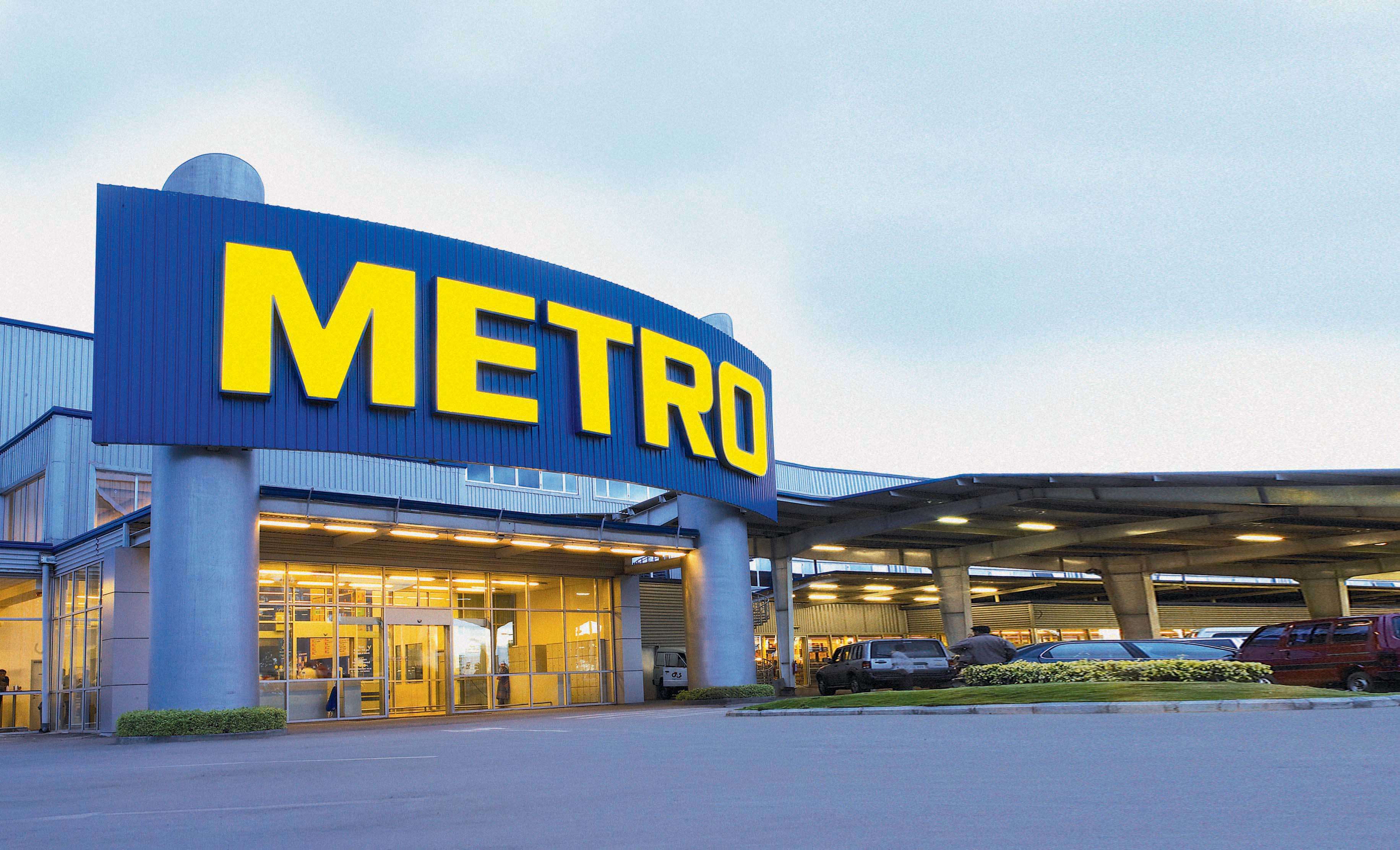
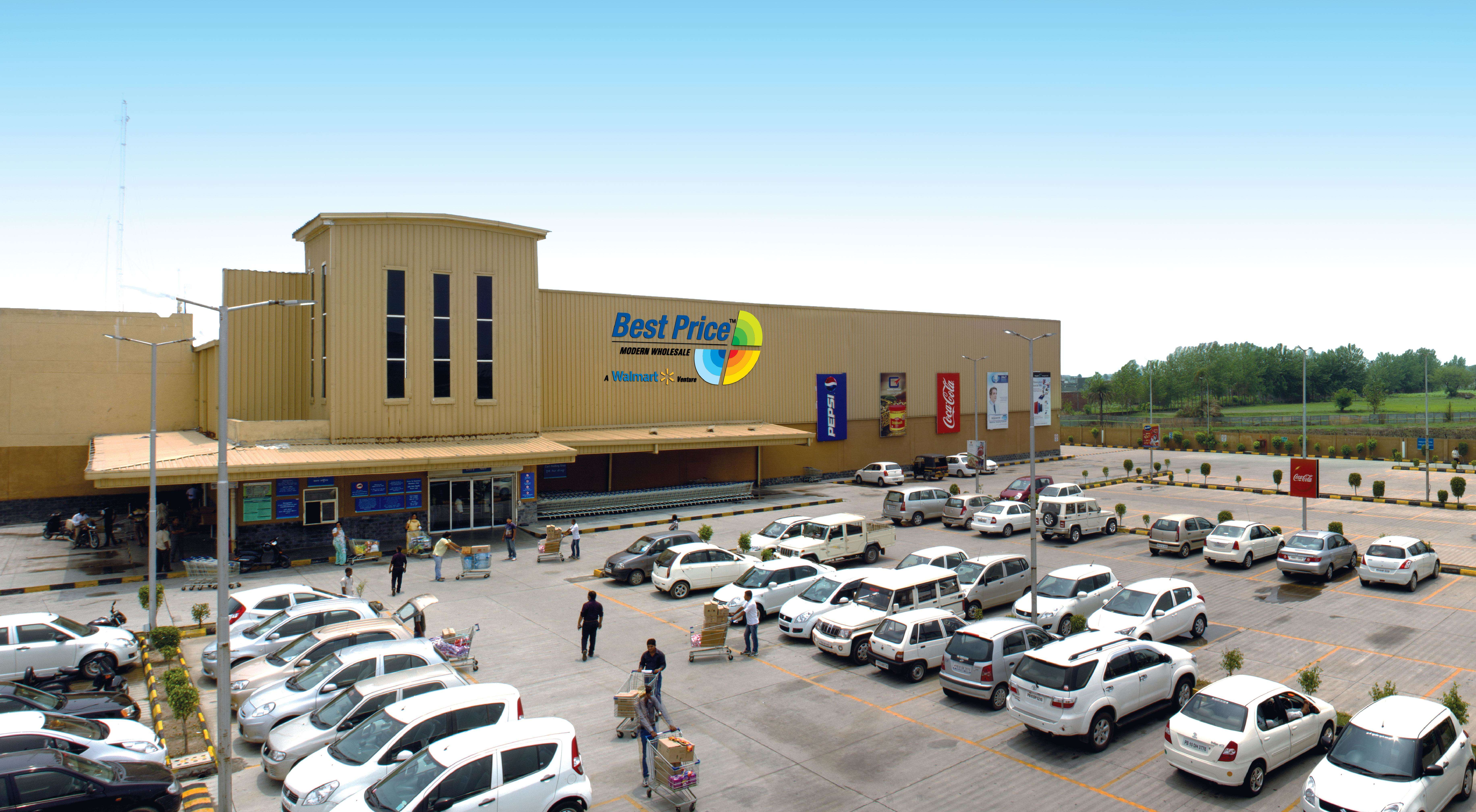
According to Devangshu Dutta, chief executive of retail consultancy Third Eyesight, the stores and wholesale clubs in the west are supported by higher consumer incomes and a larger demand base, they hold a larger number of SKUs, are built on cheaper real estate and have superior road access to the stores. Consumers there drive longer distances, and buy more during each visit, he said.
“Conversely, in India, the economics are very different – incomes are lower, purchases are smaller and more frequent, and these rules apply even to B2B business. By contrast, real estate in India is expensive and large land parcels are hard to come by. So smaller stores would allow the companies to penetrate deeper into the market, and would possibly be economically more viable,” said Dutta.
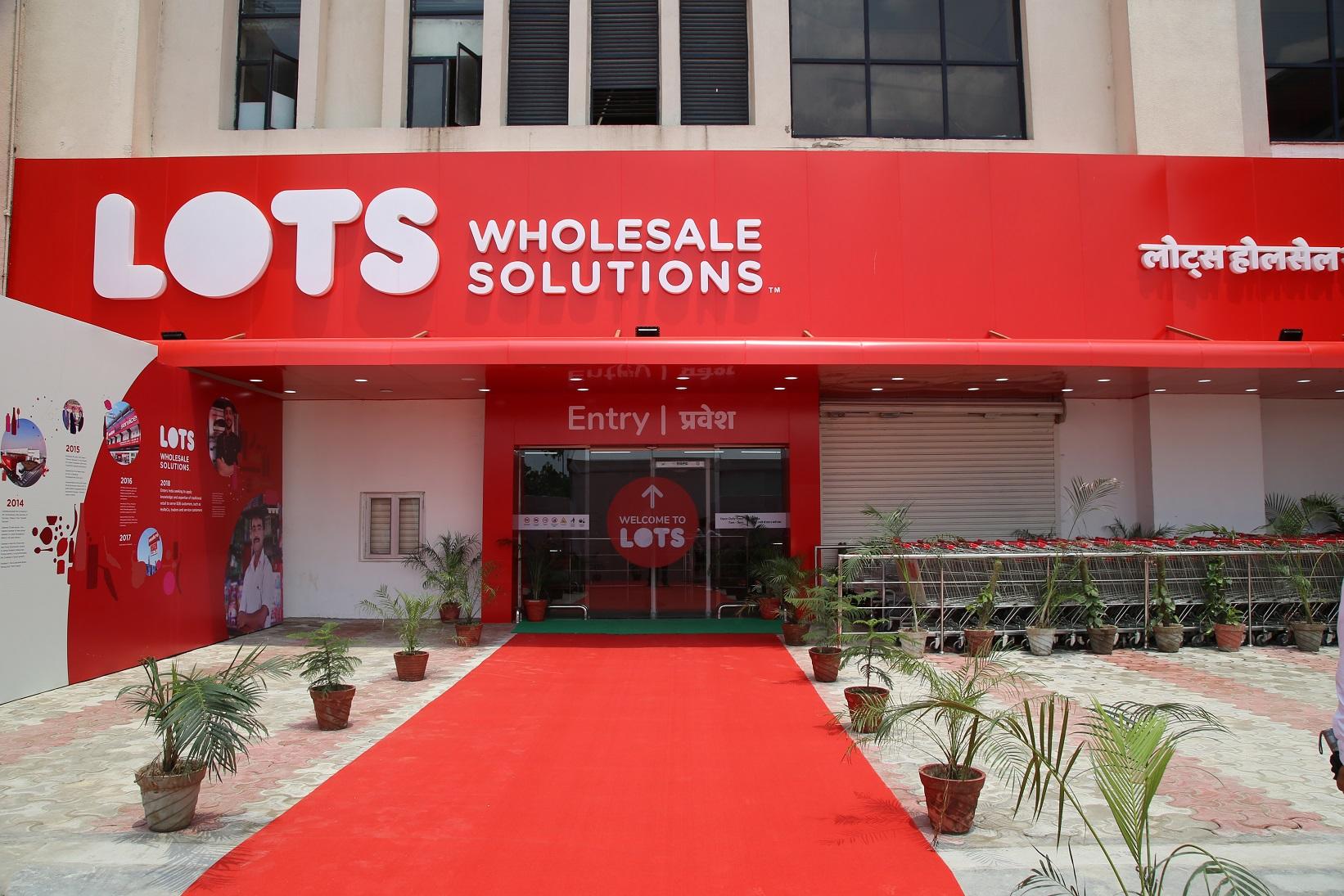
Lots Wholesale Solutions believes that flexibility with the choice of real estate is key to faster expansion in India.
“There are more than 12 million retailers and about 13 million HoReCa organisations in India, which shows the country has a huge potential and we can grow enormously by being close to them. With the format of our small stores, we will be able to penetrate in the market and serve our customers better,” said Tanit Chearavanont, Managing Director, Lots Wholesale Solutions.
“By opening stores closer to the catchment markets we have been able to reap benefits of greater traction and repeat purchases by our members. To ensure proximity to customers we have to be flexible with the choice of real estate, not always will you get a big box in city center locations,” said Chearavanont. The company opened its first store in India last year and said that it will invest more than Rs 1,000 crore in India in five years to open its wholesale outlets across the northern region. The company’s immediate plan is to open 15 stores in the first three years.
Source: retail
admin
May 15, 2019
Consumer durable retailers see approximately seven percent of their revenue come from the sale of private label products
Written By Sharleen Dsouza

Koryo and Vise may not be a buyer’s first choice for an air conditioner or a television but electronics retail chains are increasingly betting on such private labels to draw customers. Being cheaper, they boost sales. But that’s not the only reason.Such brands offer low net margins for sellers of appliances and televisions but serve two purposes. They help convert enquiries into sales for consumers who find products from bigger estab…
Source: bqprime
admin
May 14, 2019
Written By Nishant Sharma
Solimo, Symbol, Myx, Vedaka and Presto.You may have bought products from these brands on Amazon India. But what you may have missed is that these, and many other labels, are owned by Amazon Inc. itself.The world’s largest online retailer brought its AmazonBasics label to India in 2015. It launched another brand Solimo, offering home appliances and household items, the same year. The company now sells 10,000 products, including clothi…
Source: bqprime
