
admin
August 6, 2021
Written By Upmanyu Trivedi And Saritha Rai
The two behemoths, owned by two of the world’s richest men, Jeff Bezos and Mukesh Ambani, are fighting for a bigger slice of the Indian market.

Supreme Court said Reliance cannot go ahead with a $3.4 billion deal to buy Future Group’s retail assets.
Mukesh Ambani’s planned $3.4 billion purchase of an indebted retailer suffered a blow after Amazon.com Inc. won a court battle to halt the transaction, disrupting the tycoon’s ambitions to take on the US e-commerce giant in the $1 trillion local market.
On Friday, a two-judge bench of Supreme Court ruled that an emergency order by a Singapore arbitrator last year, which stopped Reliance from proceeding with the deal, is legally binding. Amazon had approached the arbitration court, and the parties will now have to wait for the deliberations of that body before a final decision.
The court’s verdict is the latest episode in a bitter battle over the cash-starved Future Retail Ltd. — the nation’s second-largest supermarket chain — which both Jeff Bezos-founded Amazon and Mr Ambani’s Reliance Industries Ltd. want to control. The two behemoths, owned by two of the world’s richest men, are fighting for a bigger slice of the only billion-people plus consumer market that’s still open to foreign firms.
Reliance dropped as much as 2.6% in Mumbai on the ruling, the biggest intraday decline in two weeks. Future Retail plunged by its daily limit of 10%, the most in more than four months.

Reliance shares dropped as much as 2.6% in Mumbai after the ruling today.
For Seattle-based Amazon, adding Future’s Big Bazaar brand of stores to its assets would help expand its brick-and-mortar footprint across the country. Mr Ambani announced his plans to buy Future’s assets almost a year ago to help aid his retail push. His oil-refining conglomerate has identified e-commerce and conventional retail as two focus areas, and roped in investors including Facebook Inc. and Alphabet Inc.’s Google in 2020.
“The court verdict puts a speed breaker on Reliance’s retail dominance in India,” said Devangshu Dutta, founder and chief executive officer of the Delhi-based retail consultancy, Third Eyesight. “It balances the competition with the larger American players, and gives Amazon a much-needed presence in physical retail.”
Future Retail’s 5.60% $500 million January 2025 notes plunged 5.7 cents on the dollar to 66.3 as of 2:45 p.m. in Hong Kong. That’s the lowest level since Aug. 27, according to data compiled by Bloomberg.
The feud highlights the importance of the Indian consumer market. Amazon has pledged $6.5 billion of investment, while Walmart Inc.-owned Flipkart recently mopped up $3.6 billion in the country’s largest fundraising at a valuation of nearly $38 billion.
Amazon owns a stake in an unlisted Future unit and has argued that it contractually has the first right of refusal to buy Future. It went to the Singapore arbitration court last year, accusing the Indian retailer of Future Group of violating that contract when it agreed to sell its wholesale, warehousing, logistics and other retail assets to Mr Ambani’s conglomerate.
Source: ndtv
admin
July 15, 2021
Written By Nabeel A Khan

India’s super-luxury car (priced above INR 2 crore) sales have apparently been on a growth trajectory for the past few years. The niche segment grew more than three fold from about 150 cars in 2018 to about 500 cars in 2020. But the overall volume of the segment remains too low to be significant. Though India is one of the countries having the highest number of millionaires in the world, it doesn’t figure among the top 25 markets for such cars in the world.
New Delhi: In the number of billionaires India is placed third in the world. It has over 7.3 lakh millionaires also. In the global ranking of high net worth individuals India is thirteenth. But this opulence is not reflected in the market for the super-luxury items as a whole and luxury cars (priced around INR 2 crore) in particular. The luxury car market in India has apparently been growing year on year. But the sales volumes are so low that India is not among the top 25 markets for such cars globally.
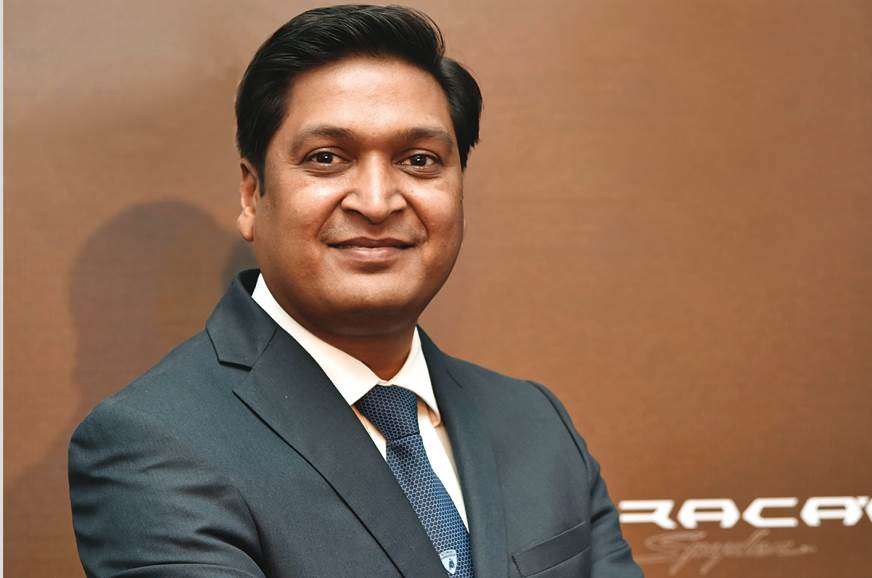
Sharad Agarwal, head, Lamborghini India
However, India is the world’s fourth-largest passenger car and the largest two-wheeler market. But the market for the super-luxury cars is abysmally low at around 500 units a year. Sharad Agarwal, the segment, despite all the growth in the past few years, had a peak volume of 265 units in CY 2019 which further sank by 30% in CY 2020. For Lamborghini, the peak annual sales volume remained at 52 cars in 2019, which is not even 1% of its global volumes, and declined still further in 2020.
According to Lamborghini India head
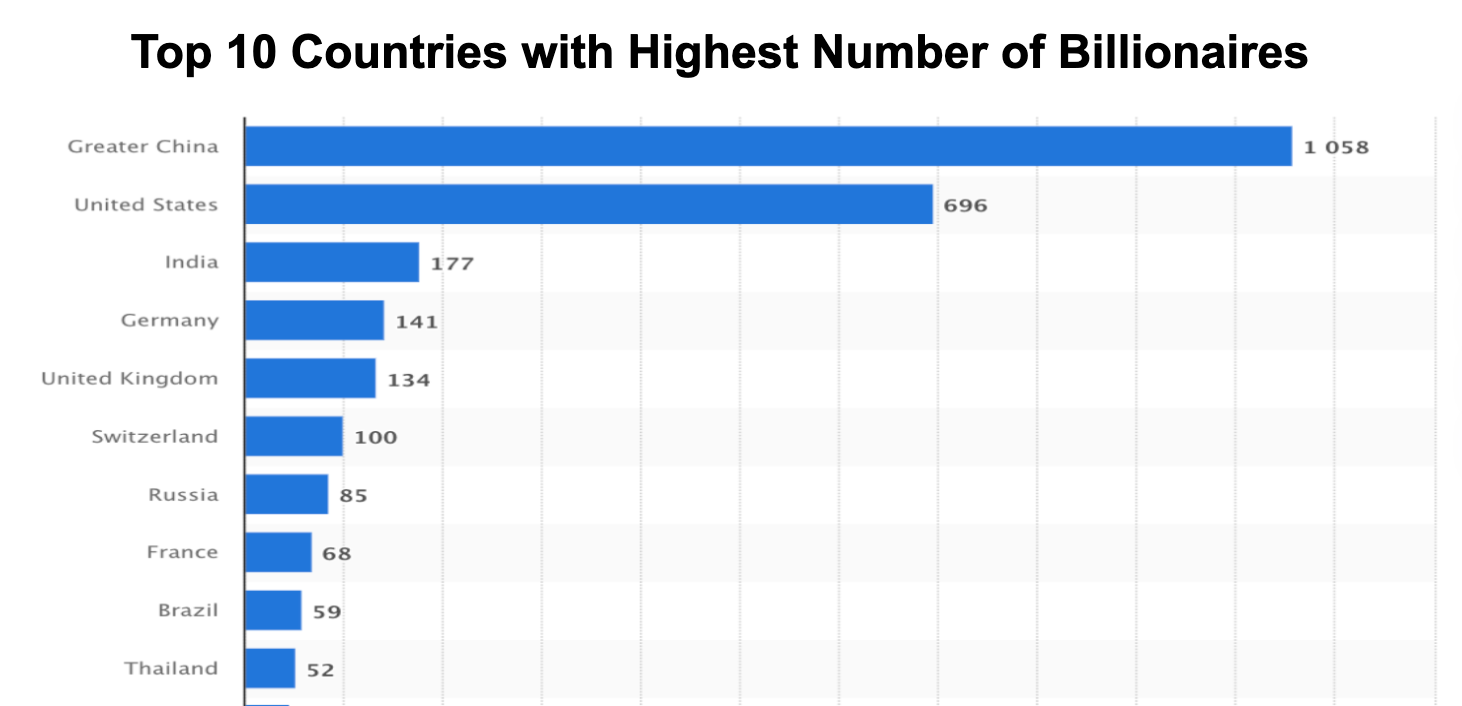
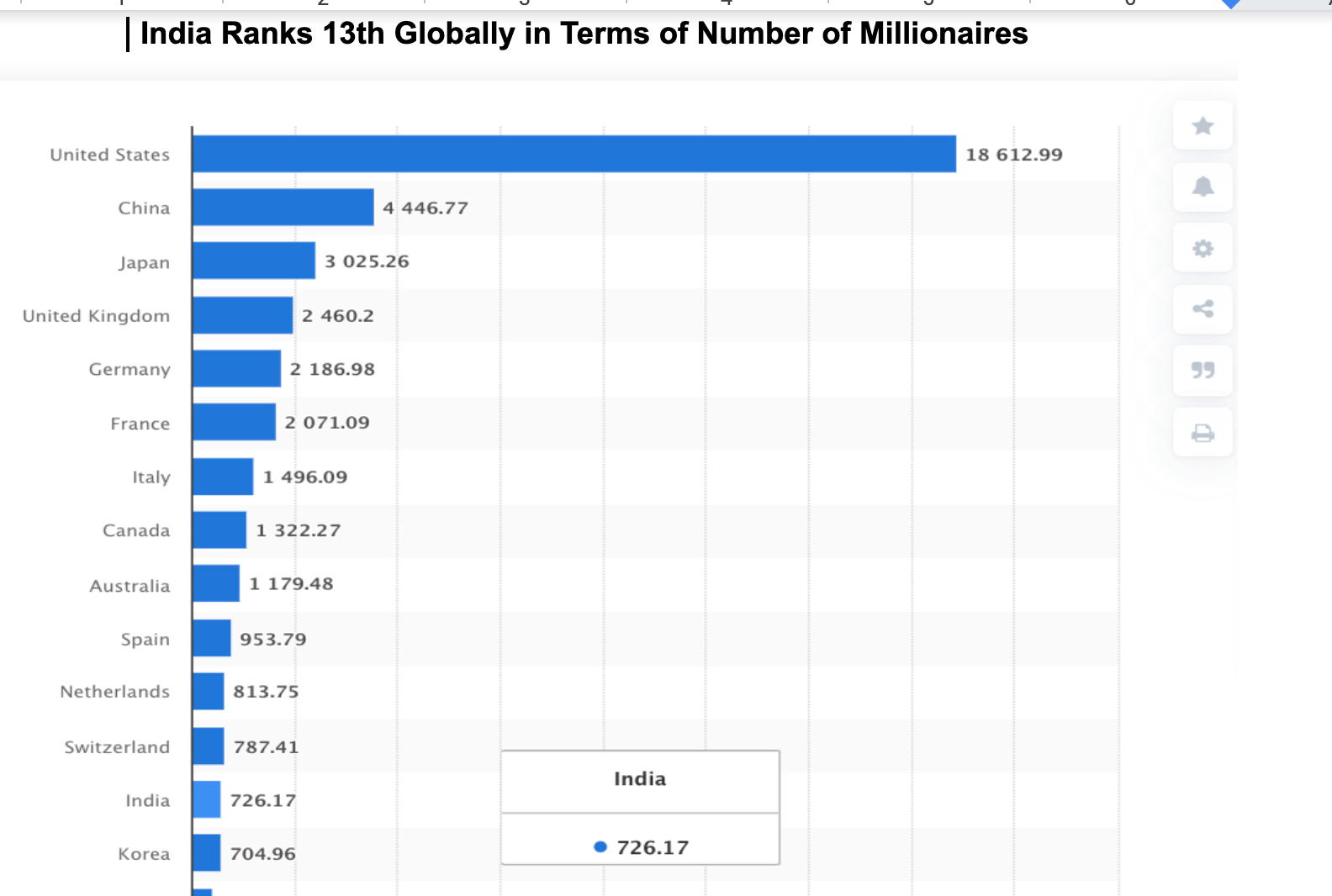
Experts say that the performance of other super-luxury products also does not resonate with the number of the ultra-rich citizens in the country. The one big reason for this anomaly is that most of them prefer shopping overseas, especially in Europe, Dubai, and the US~
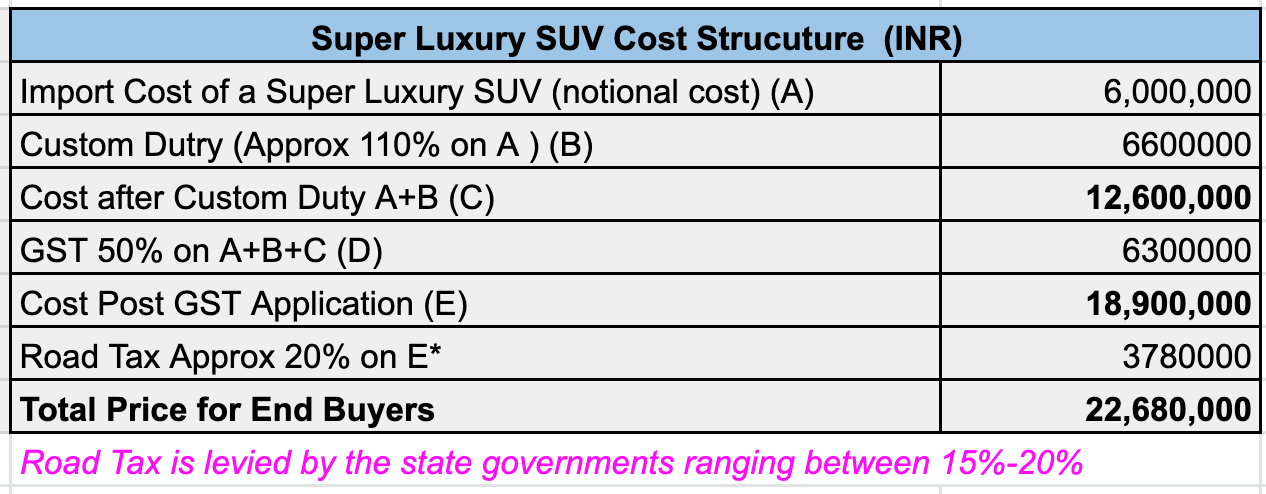
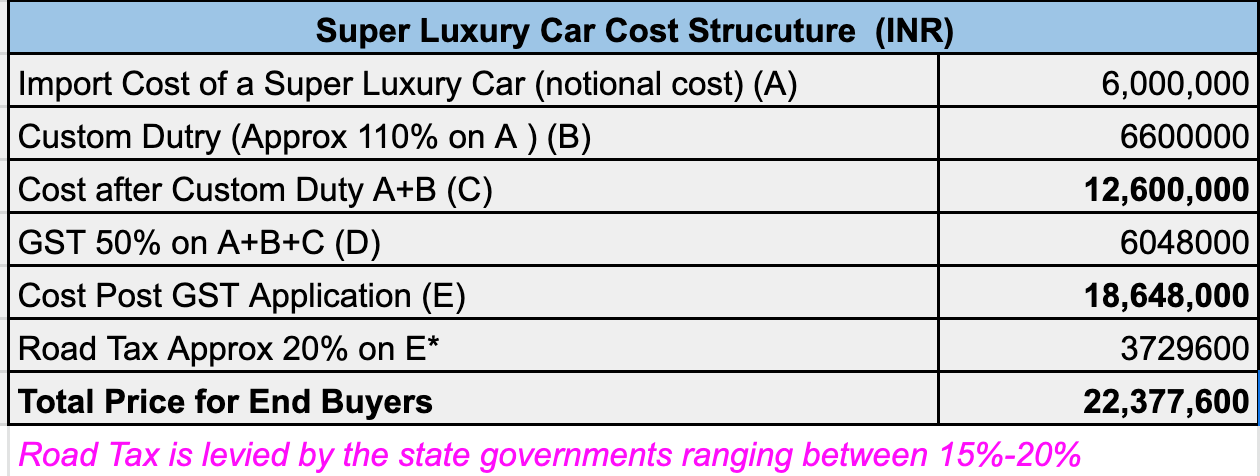
The biggest challenge, however, is that India has one of the highest tax rates on these super-luxury cars at around 400% on the cost of the vehicle at the time of import. The taxes are the highest as almost none of these super luxury cars are assembled or manufactured in India. They attract about 110% import duty and an additional cost on homologation. Most often these manufacturers assert that the tiny volume doesn’t make business sense to invest in local assembly or manufacturing.
“For us, the overall tax is about 430% on the import cost of the vehicles which is one of the highest in the world,” says Sharad Aggarwal.
For example, the Mercedes AMG- C-360 coupe has an estimated import cost of INR 45 lakh and after all taxes, it costs about INR 1.7 crore for the end-buyers in the country.

Similarly, for Porsche Panamera, the estimated import cost is about INR 52 lakh to INR 55 lakh but it costs about INR 2 crore to the buyers after all taxes. The price doesn’t include the mandatory insurance cost which is also substantially high.
“With the rationalisation of import duties for such high-end cars, we expect the top-end luxury segment to grow even faster and the industry can widen the current customer base. In order to grow this segment Mercedes-Benz decided to localise the AMG portfolio and has now introduced 3 new models which are available at below the INR 1 crore price bracket. This we expect will further increase the demand for such performance cars in India,” Santosh Iyer, vice president – sales and marketing, Mercedes-Benz India, said. He adds that the segment’s volume surged three-fold from about 150 units in 2019 to about 500 units in 2020.
An interesting trend is that more and more customers in the 40-45 age groups are opting for the high-end Mercedes and AMG products. They are mainly super-rich second-generation businessmen, who are well-traveled, luxury dwellers and have experienced these ultra-luxurious cars and products abroad~

Audi India has a similar optimistic view of the market. About the customer trends, Balbir Singh Dhillon, head of Audi India, said, “There has been a shift in consumer expectations – today, buyers want a degree of personalization in the luxury segment and we, not only offer that but also offer these buyers a host of digitization initiatives that allow them to view and customize their favourite Audi from the comfort of their homes. Along with our dealer partners, we are providing customers a seamless experience.”
Lamborghini has relatively younger customers with most of them falling in the age group of 25-45 and many of them are kids of businessmen and a few of them are new generation entrepreneurs.
Other super-luxury car brands that operate in India in this price category are — Rolls Royce, JLR, Maserati, Aston Martin, and Bentley.
In 2019, Rolls Royce said that it sold 5,152 units, claiming that this was the British car manufacturer’s highest sales in its 116-year history. However, the company retailed only one car last month.
BMW India, another German luxury carmaker, did not respond to or share information sought for earlier stories in the recent past. Therefore, we did not reach out to them to participate in this story. BMW has turned conservative in sharing sales and other information with ETAuto after its volumes declined a few years ago.
Source: auto.economictimes.indiatimes.com
admin
June 29, 2021
Devika Singh, Moneycontrol
29 June 2021
Post-COVID, the sanitiser market will shrink considerably and there will be room only for old trusted brands or bulk low margin suppliers, suggest experts.
 Every one in two urban households are now using sanitisers, as per data from Kantar.
The pandemic has triggered a gold rush in the health and hygiene sector, particularly sanitisers – even if temporarily.
A severely underpenetrated category in the pre-pandemic period, sanitisers have witnessed massive adoption amongst the consumers since March 2020.
According to data from Kantar, annually, before the pandemic struck (March 2019 – February 2020) hand sanitiser penetration was about 1.2 percent; on an average in a month only 0.1 percent of the urban households bought the product.
However, during the first 12 months of the pandemic, the category reached nearly 50 percent penetration, a quantum leap.
It means everyone in two urban households are now using sanitisers, as per data from Kantar, the world’s leading data, insights, and consulting company.
Overall, the hygiene category had witnessed a huge spike in sales as the first wave of the COVID-19 pandemic struck the country in March last year.
Although the sales declined as the cases subsided, the demand jumped up again with the second wave of the pandemic.
Several companies had made a beeline for the category and joined the sanitiser gold rush.
According to data from Kantar, as many as 350 brands of sanitisers were launched in the first three months of the pandemic.
Consumers are also buying more products in the hygiene category such as vegetable cleaners and surface disinfectants.
Data from Kantar shows that vegetable and fruit cleaners now have a penetration of 2 percent and surface disinfectants 1.5 percent.
“For a category that is driven by a limited number of brands and has not even been there for a year, it is a huge success,” said K Ramakrishnan, MD – South Asia, Worldpanel Division, Kantar.
Though the category overall has seen an increase in demand, industry and experts expect only a few big brands with a strong legacy in the hygiene segment to sustain in the long run.
Hence companies such as Marico have already started deprioritising the category.
“Of late, we have realised that it (sanitisers) is more of a tactical opportunity for us to provide consumers what they needed then,” Pawan Agrawal, CFO, Marico, said.
“These products do not fit into our scheme of things as we understood that consumers will go back to the legacy brands with strong equity in hygiene, and hence three-four brands will have a larger play in the segment,” he added.
Marico, hence, has decided to not make any fresh investments in the category going ahead.
Raymond Consumer Care, which sells sanitisers under its brand Park Avenue, too, has similar plans.
“We believe post-COVID, the sanitiser market will shrink considerably and there will be room only for old trusted brands or bulk low margin suppliers. Given this context, we will maintain strategic presence in the chemist channel, but this segment will not be a priority,” admitted Sudhir Langer, CEO – Raymond Consumer Care.
Other companies such as CavinKare plan to focus on flagship products such as handwashes.
Said Raja Varatharaju, GM Marketing – Personal Care, CavinKare: “As the demand for sanitisers continues to slow down, our core focus will remain on offering a bouquet of products under the health and hygiene portfolio as we move forward. We will increase and strengthen our focus on hand wash, as it is a flagship product in our portfolio.”
Reckitt’s Dettol, ITCs’ Savlon and Hindustan Unilever Limited’s (HUL) Lifebuoy are some of the top brands in the health and hygiene space, which are likely to benefit from this trend in the long run, indicate experts.
Consumers associate certain products and categories with certain brands and are inclined to buy from them, said Devangshu Dutta, Chief Executive at retail consultancy, Third Eyesight.
Hence, companies, which saw in the pandemic the chance to tap the short-term opportunity, do not want to focus on it any longer.
Source: moneycontrol
admin
June 28, 2021
Written By Venkata Susmita Biswas
There has been an uptick in the sales of robotic and upright vacuum cleaners in India

Unlike the western markets, the penetration of vacuum cleaners remains negligible in India.
Vacuum cleaners — one of the least bought consumer electronics products in India — saw an upsurge in demand in 2020. The burden of juggling household chores and office work due to the pandemic-induced lockdown, and a heightened sense of hygiene, has encouraged more Indians to invest in vacuum cleaners.
Xiaomi launched its autonomous vacuum cleaner in India late last year, and Realme is set to enter the market ahead of Diwali. Eureka Forbes and Inalsa, too, have introduced robotic vacuum cleaners. Dyson, which has been present in this category since 2018, added a second demo outlet in Mumbai in February 2021, expanding the brand’s offline retail footprint to seven stores.
Euromonitor International estimates India’s vacuum cleaner market to be worth Rs 275.6 crore in 2021. In 2020, more than 4.3 lakh units of vacuum cleaners were sold in India. Anurag Mishra, principal, Kearney, informs that until 2020, the market had been growing at 1-2% per annum. But this grew to 5-6% in 2020.
A clean sweep
Xiaomi India ran a crowdfunding initiative for its robotic vacuum cleaner in 2020. This was mainly to understand if the spurt in demand for vacuum cleaners was merely a fad. The company said it will bring the product to India if 10,000 orders are placed.
“When we evaluated the vacuum cleaner category in 2018, the market was tiny,” says Raghu Reddy, chief business officer, Xiaomi India. But things changed last year. About 85% of the crowdfunding goal was achieved, and Xiaomi launched the Mi Robot Vacuum Mop-P at Rs 17,999 (offer price).
Eureka Forbes, which commands about 70% of the market, added a vacuum cleaner that also mops, an autonomous vacuum cleaner and a handheld variation last year. “Until 2020, the category was chugging along with single-digit growth,” says Shashank Sinha, chief transformation officer, and head – strategic marketing, Eureka Forbes. He adds typically cleanliness fanatics opt for upright or canister models for more efficiency, while working professionals prefer robotic models.
As per industry analysts, among upright vacuum cleaners, the most popular price point tends to be around Rs 18,000. Autonomous vacuum cleaners can cost anywhere between Rs 15,000 to Rs 1 lakh; among these, the ones in the Rs 25,000-30,000 range are in demand.
Pulak Satish Kumar, director and COO, iRobot India, saw a threefold growth in demand for the Roomba and other iRobot automated vacuum cleaners in 2020. He says these machines, which can be programmed to work on a set schedule, are popular among affluent tech-savvy consumers and those who have lived abroad and used similar products.
Costly affair
Unlike the western markets, the penetration of vacuum cleaners remains negligible in India. According to industry estimates, refrigerators have a penetration of 33%, washing machines even lower at 12% and ACs have a penetration of a little over 5%.
Devangshu Dutta, chief executive, Third Eyesight, attributes the low penetration to affordable labour being available abundantly. Washing machines have been around for as long as vacuum cleaners in India. But both these products have had vastly different journeys.“Washing machines had become an upcoming trend in metro cities about a decade after their launch in India,” Dutta observes. “They reduced the homemaker’s workload. Vacuum cleaners, which are still expensive, cannot be handed to the domestic help, who would need to be educated to use the product.”
Historically, vacuum cleaners have been sold on the premise that our homes host a multitude of unhygienic matter, dust and other microscopic particles that are not visible to the naked eye. “We had to create a need. We did this by showing dust inside homes, embarrassing customers and pushing a sale,” says Sinha of Eureka Forbes. Direct selling has been the predominant retail channel for this product — about 40% of vacuum cleaners are still sold through this channel.
Inalsa, which ventured into affordable vacuum cleaners about four years ago, is selling its latest product exclusively on Flipkart. “Going omnichannel, selling on e-commerce platforms and playing on price points are required for this market to grow,” says Kearney’s Mishra. He expects the sudden demand to taper and settle at a growth rate of 3-5% per year, for the next few years.
Source: financialexpress
admin
June 1, 2021
Written By DEVIKA SINGH
The FMCG major in a presentation circulated internally has acknowledged that more than 60 percent of its products do not meet recognised definition of health.

NESTLE USA – entrance to headquarters building with sign (Source: ShutterStock) Nestle
The spectre of ‘unhealthy foods’ is back to haunt Nestle again, this time globally. One of the largest food companies in the world and the maker of popular brands in India such as Maggi and KitKat has been cast in a negative light after (inadvertently) admitting that it has a large share of ‘unhealthy products’ in its portfolio.
If you are wondering what the fuss is about, here are answers to five big questions on the episode, including the potential implication on the company’s Indian unit.
What is the row all about?
Nestle in a document circulated internally has acknowledged that more than 60 percent of its products do not meet the “recognised definition of health” and that some of its products “will never be healthy no matter how much the company renovates,” reported the Financial Times.
According to the UK-based newspaper, the presentation was circulated internally among the company’s top executives earlier this year and said only 37 percent of Nestle’s food and beverages by revenues, excluding products such as pet food and specialised medical nutrition, achieve a rating above 3.5 under Australia’s health star rating system.
Even within its overall food and drink portfolio, about 70 percent of food products failed to meet that threshold, along with 96 percent of beverages — excluding pure coffee — and 99 percent of confectionery and ice cream portfolio, as per the report.
The rating system is used in research by international groups such as the Access to Nutrition Foundation.
Ouch! What does Nestle have to say about this revelation?
After the report surfaced, Nestle S.A released a statement saying that it is working on a company-wide project to update nutrition and health strategy.
“We are looking at our entire portfolio across the different phases of people’s lives to ensure our products are helping meet their nutritional needs and supporting a balanced diet,” said a Nestle S.A spokesperson.
The company in its statement cited its efforts to improve the nutritional footprint of its products. “For example, we have reduced the sugar and sodium in our products significantly in the past two decades, about 14-15 percent in the past 7 years alone.”
However, it also specified that external nutrition profiling systems like the Health Star Rating and Nutri-Score don’t capture Nestle’s entire portfolio.
“About half of our sales are not covered by these systems. That includes categories such as infant nutrition, specialised health products, and pet food, which follow regulated nutrition standards,” the spokesperson said.
The company’s Indian unit also has released a statement on the controversy.
“Nestle India believes that nutrition is a fundamental need and the food industry has a vital role to play in enabling healthier lives. Driven by our purpose, we are constantly striving to increase the nutrient profile of our products, as well as innovate with new and nutritious offerings,” said a Nestle India Spokesperson.
Hmm … will the development have an impact on the company’s Indian unit?
According to analysts, given that Nestle’s India portfolio is quite different from its parent company, the development will not have much of an impact here.
“Given that Nestle has not positioned its products such as Maggi in the health category there is no change in the perception towards its brand with the recent development,” says an analyst at a top brokerage firm.
Out of Nestle’s 35 billionaire brands, only nine have a presence in India. Its brands such as DiGiorno croissant crust pizza, Hot Pockets pepperoni pizza, San Pellegrino drink, and Nesquik with the worst scores, as mentioned in the Financial Times report, are not present in India.
“Indian portfolio is different from the parent company’s as it is a small sub-set with a lot of localisation for country-specific needs. Also, India is one of the few countries which has had a local research and development facility for a long time,” said Abneesh Roy, Executive Vice-President, Edelweiss Financial Services.
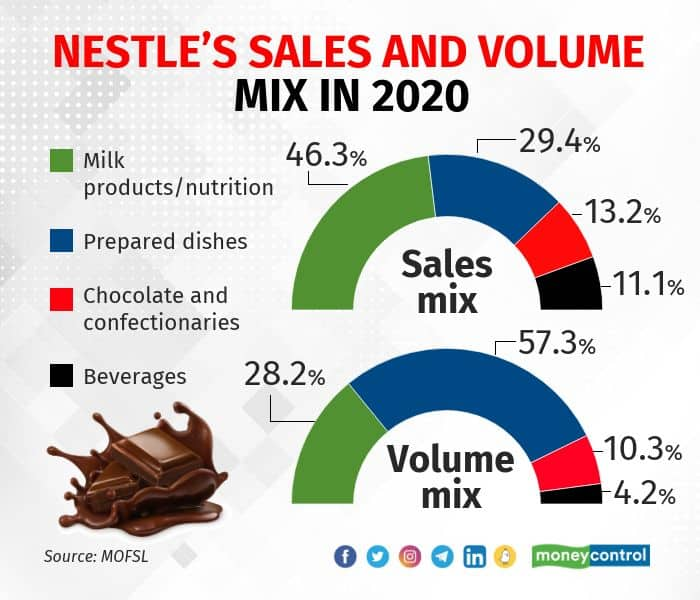
Besides this, Nestle India has a higher share of milk and value-added milk products in its sales mix, which bodes well for the company say analysts given that milk has a high nutritional quotient. Last year, the company drew over 46 percent of its sales from milk and nutrition products, higher than prepared dishes which includes Maggi noodles (shown in the chart below). Volume growth, however, is driven by prepared dishes.
Its initiatives in the country towards introducing atta, spinach variants of Maggi noodles, fruit and nuts to chocolates and reducing sugar and salt content are being seen as an effort to increase the health quotient in its products, by analysts.
Devangshu Dutta, chief executive at retail consultancy Third Eyesight is of opinion that India usually remains unimpacted by developments in these multinationals globally as there is lower sensitivity and awareness in the country. “Take, for example, veganism which is a huge trend in the West but has not caught on as much in India yet.”
He believes the country would eventually be impacted by these developments but not immediately.
What is the real significance of this controversy?
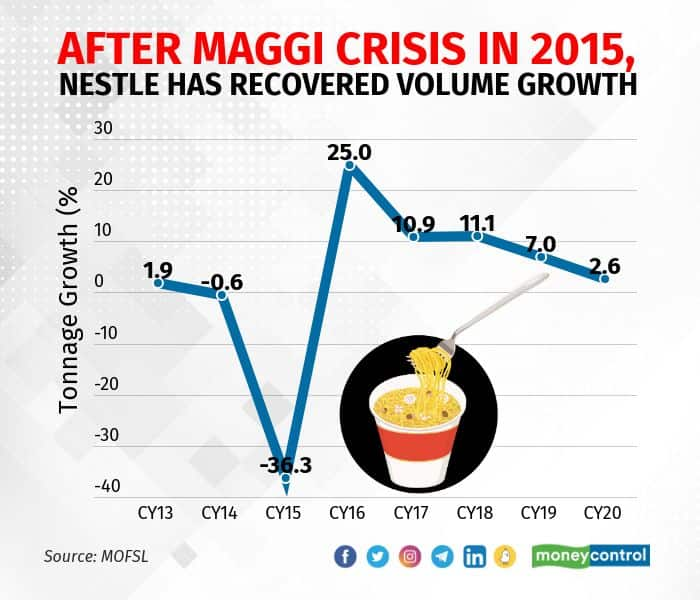
Nestle has come under fire in the past because of concerns about its food products. Back in 2015, Nestle had landed in trouble after Maggi, its most popular product in the country, was found to have monosodium glutamate or MSG by the Food Safety and Standards Authority of India (FSSAI). In a major setback for the company, the food safety regulator had consequently banned the sale of the product in the country. Maggi then commanded over 80 percent of the market share in India. Nestle’s volumes had plunged sharply in 2015 due to the Maggi crisis. (as shown in the chart below).
Subsequently, after five months of legal battle, Nestle relaunched Maggi in the country, however, it resulted in the loss of some of its market share. Today, the company holds almost 60 percent market share in the instant noodles category, as per estimates.
In the light of these events, the recent controversy around its product portfolio becomes significant as Nestle cannot afford a repeat.
Source: moneycontrol
