
admin
May 17, 2019
Metro which entered India in 2003 has initially opened huge wholesale store in the range of 1,00,000 sq.ft but have lately cut down the size of their new stores to half. Another new entrant in this space LOTS Wholesale Solutions which has around 1,00,000 sq.ft stores in Thailand has decided not to open stores bigger than 40,000-50,000 sq.ft in India.
Written By Varun Jain
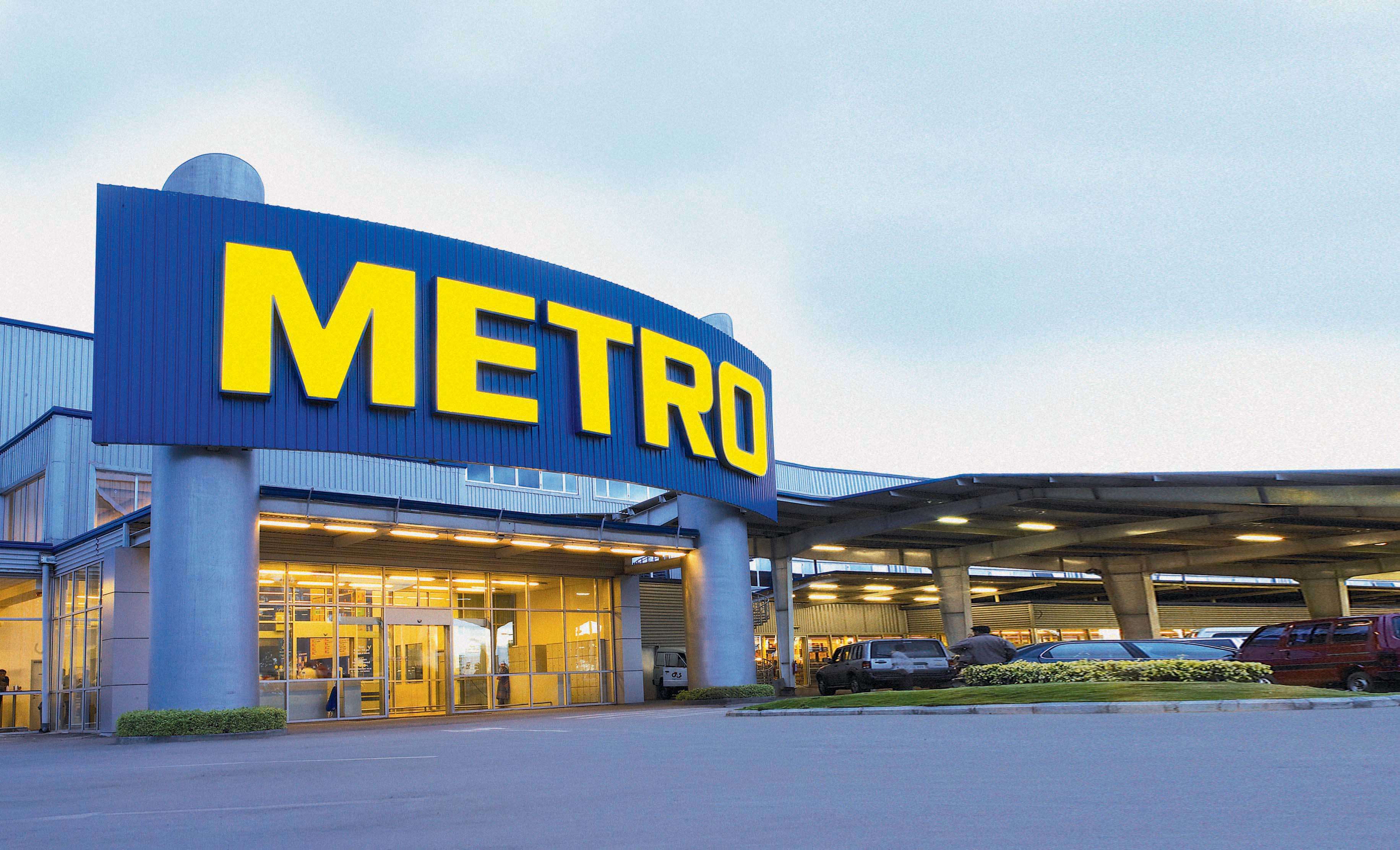
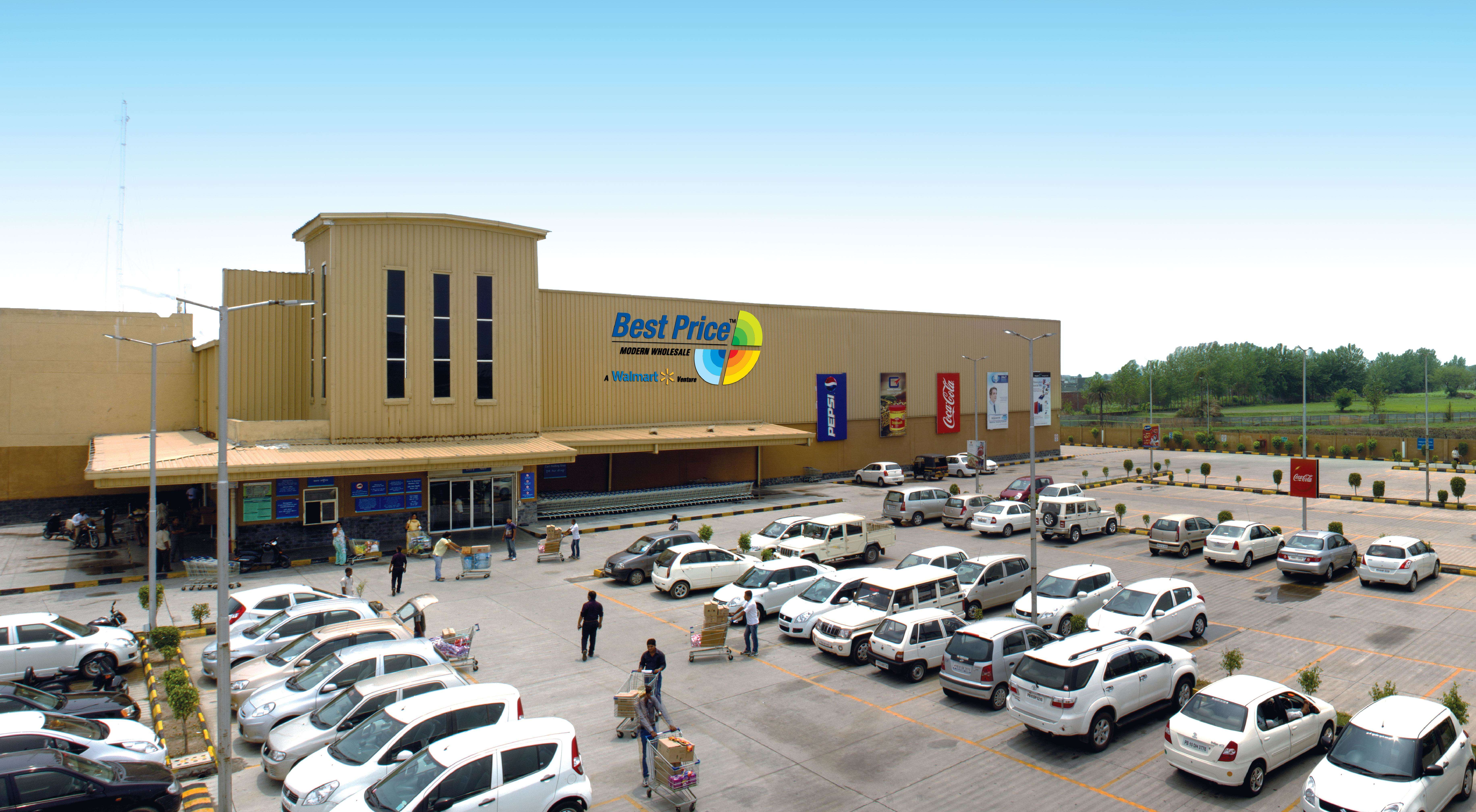
According to Devangshu Dutta, chief executive of retail consultancy Third Eyesight, the stores and wholesale clubs in the west are supported by higher consumer incomes and a larger demand base, they hold a larger number of SKUs, are built on cheaper real estate and have superior road access to the stores. Consumers there drive longer distances, and buy more during each visit, he said.
“Conversely, in India, the economics are very different – incomes are lower, purchases are smaller and more frequent, and these rules apply even to B2B business. By contrast, real estate in India is expensive and large land parcels are hard to come by. So smaller stores would allow the companies to penetrate deeper into the market, and would possibly be economically more viable,” said Dutta.
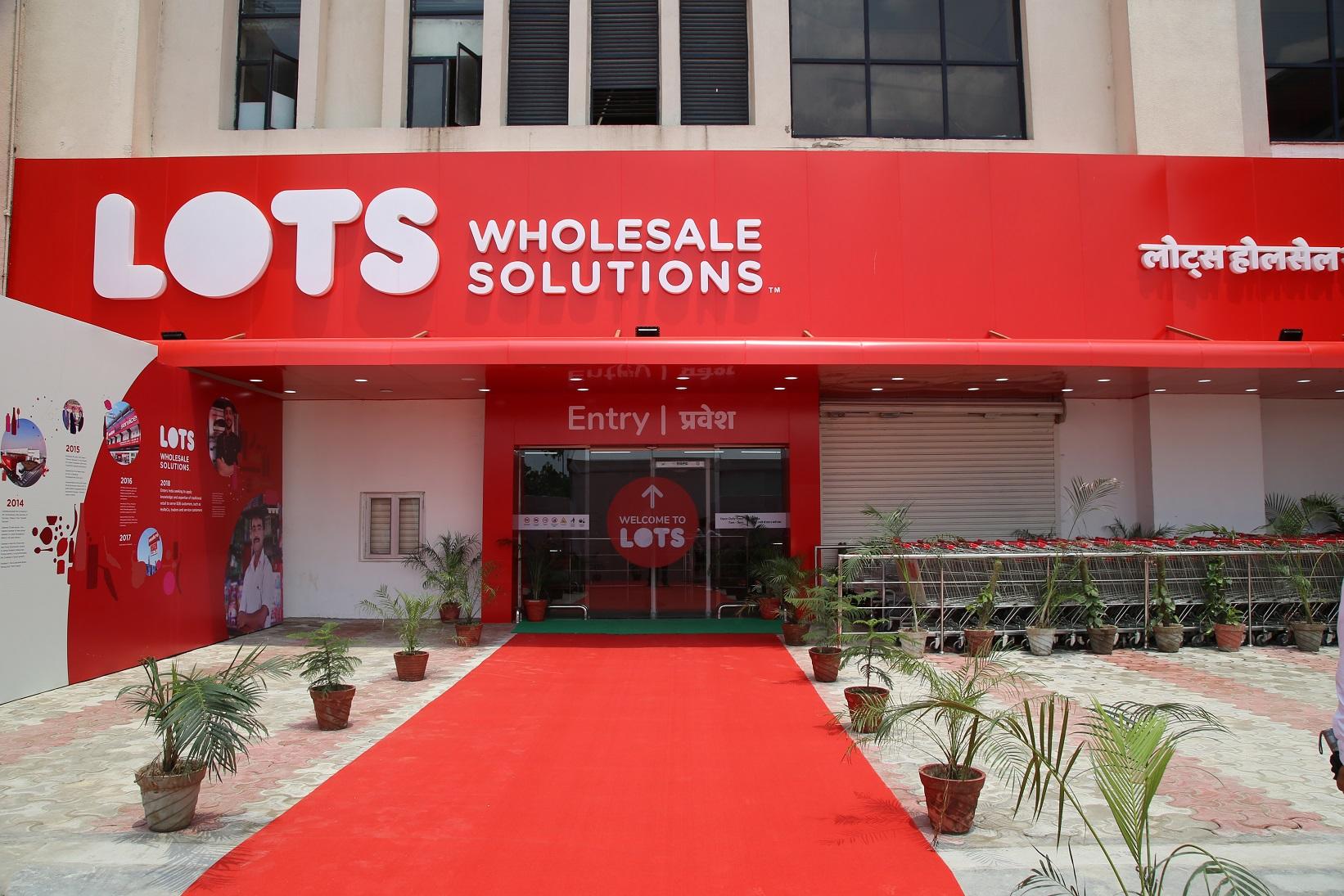
Lots Wholesale Solutions believes that flexibility with the choice of real estate is key to faster expansion in India.
“There are more than 12 million retailers and about 13 million HoReCa organisations in India, which shows the country has a huge potential and we can grow enormously by being close to them. With the format of our small stores, we will be able to penetrate in the market and serve our customers better,” said Tanit Chearavanont, Managing Director, Lots Wholesale Solutions.
“By opening stores closer to the catchment markets we have been able to reap benefits of greater traction and repeat purchases by our members. To ensure proximity to customers we have to be flexible with the choice of real estate, not always will you get a big box in city center locations,” said Chearavanont. The company opened its first store in India last year and said that it will invest more than Rs 1,000 crore in India in five years to open its wholesale outlets across the northern region. The company’s immediate plan is to open 15 stores in the first three years.
Source: retail
admin
May 15, 2019
Consumer durable retailers see approximately seven percent of their revenue come from the sale of private label products
Written By Sharleen Dsouza

Koryo and Vise may not be a buyer’s first choice for an air conditioner or a television but electronics retail chains are increasingly betting on such private labels to draw customers. Being cheaper, they boost sales. But that’s not the only reason.Such brands offer low net margins for sellers of appliances and televisions but serve two purposes. They help convert enquiries into sales for consumers who find products from bigger estab…
Source: bqprime
admin
May 14, 2019
Written By Nishant Sharma
Solimo, Symbol, Myx, Vedaka and Presto.You may have bought products from these brands on Amazon India. But what you may have missed is that these, and many other labels, are owned by Amazon Inc. itself.The world’s largest online retailer brought its AmazonBasics label to India in 2015. It launched another brand Solimo, offering home appliances and household items, the same year. The company now sells 10,000 products, including clothi…
Source: bqprime
